
Information

Scottish Parliament election: 7 May. This site won't be routinely updated during the pre-election period.

Making the Case for Nature: insights from Scotland's Natural Capital analyses

This report is an analytical review consolidating Scotland's Natural Capital evidence base. Synthesises over a decade of analyses to distil key insights to help inform better decision-making across government, business, and society.


Introduction

Scotland has a rich and diverse environment made up of mountains and moorlands that cover around 60% of our land, more than 30,000 freshwater lochs, native woodlands, such as Caledonian pinewoods, and large areas of farmland [1]. Scotland also includes around 800 islands and about 18,000 km of coastline. Marine habitats are made up of sea lochs, burrowed mud, kelp, and coral reef. These natural assets - natural capital - provide flows of services (ecosystem services), which deliver benefits to the economy and people. Examples of ecosystem services such as timber, carbon sequestration and recreation are shown in Figure 2. There is increasing recognition of the role of natural assets in addressing the twin nature degradation and climate change crises.
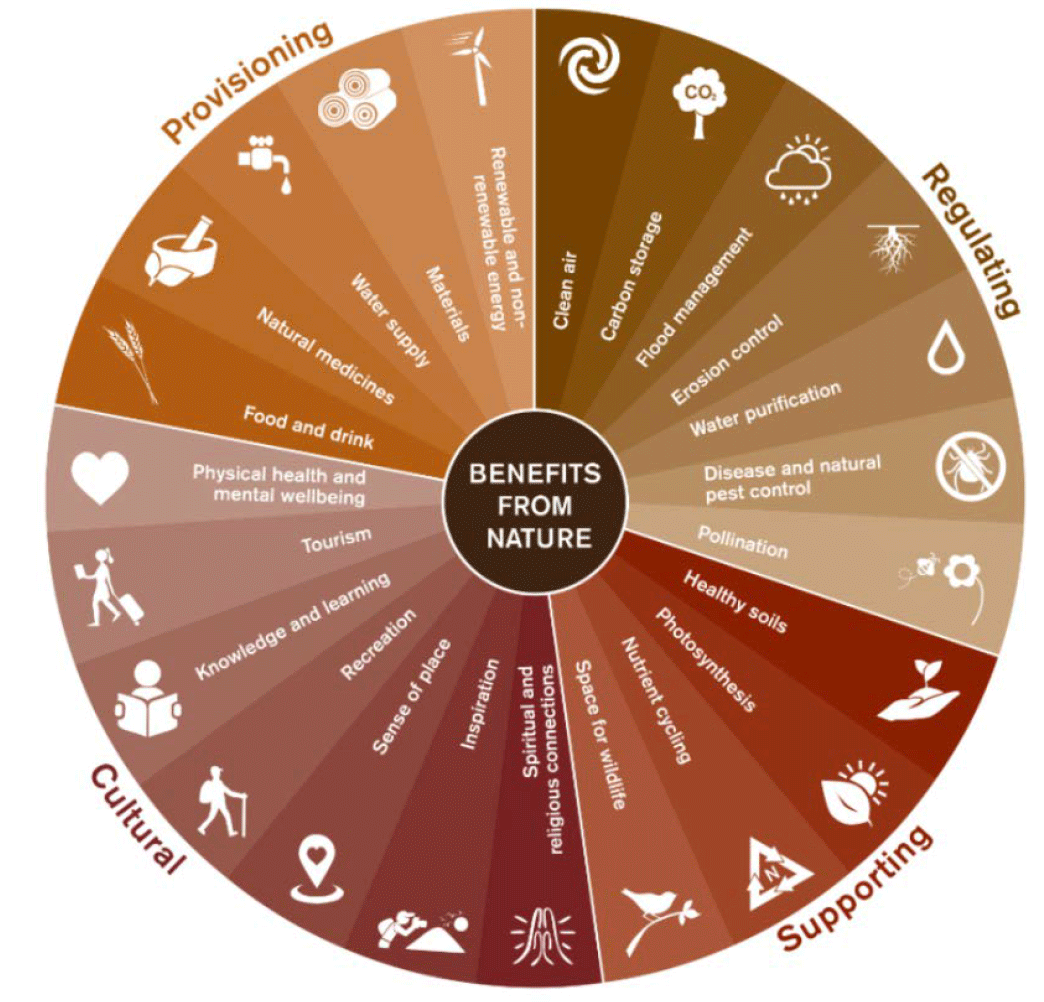
Figure 2: Benefits from nature - overview of terrestrial ecosystem services
A circular diagram divided into four categories to summarise terrestrial ecosystem services. These are provisioning, regulating, supporting and cultural. Each category lists its ecosystem services.

Graphic text below:

Benefits from nature

Provisioning:

  • Food and drink
  • Natural medicines
  • Water supply
  • Materials
  • Renewable and non-renewable energy

Regulating:

  • Clean air
  • Carbon storage
  • Flood management
  • Erosion control
  • Water purification
  • Disease and natural pest control
  • Pollination

Supporting:

  • Healthy soils
  • Photosynthesis
  • Nutrient cycling
  • Nursery habitats for wildlife

Cultural:

  • Physical health and Mental wellbeing
  • Tourism
  • Knowledge and learning
  • Recreation
  • Sense of place
  • Inspiration
  • Spiritual experiences
  • Religious connections

Natural capital is a key component of the Scottish Government’s ‘National Strategy for Economic Transformation’ [2] which embeds a Wellbeing Economy approach. The Wellbeing Economy approach sets out an economic system that serves the collective wellbeing of current and future generations within safe ecological limits. Figure 3 highlights that one of the key ambitions for the Scottish economy is rebuilding natural capital. As a key pillar of the Scottish Government’s approach to policy development and economic strategy, investing in nature is a top priority for delivering Scotland’s wellbeing economy.
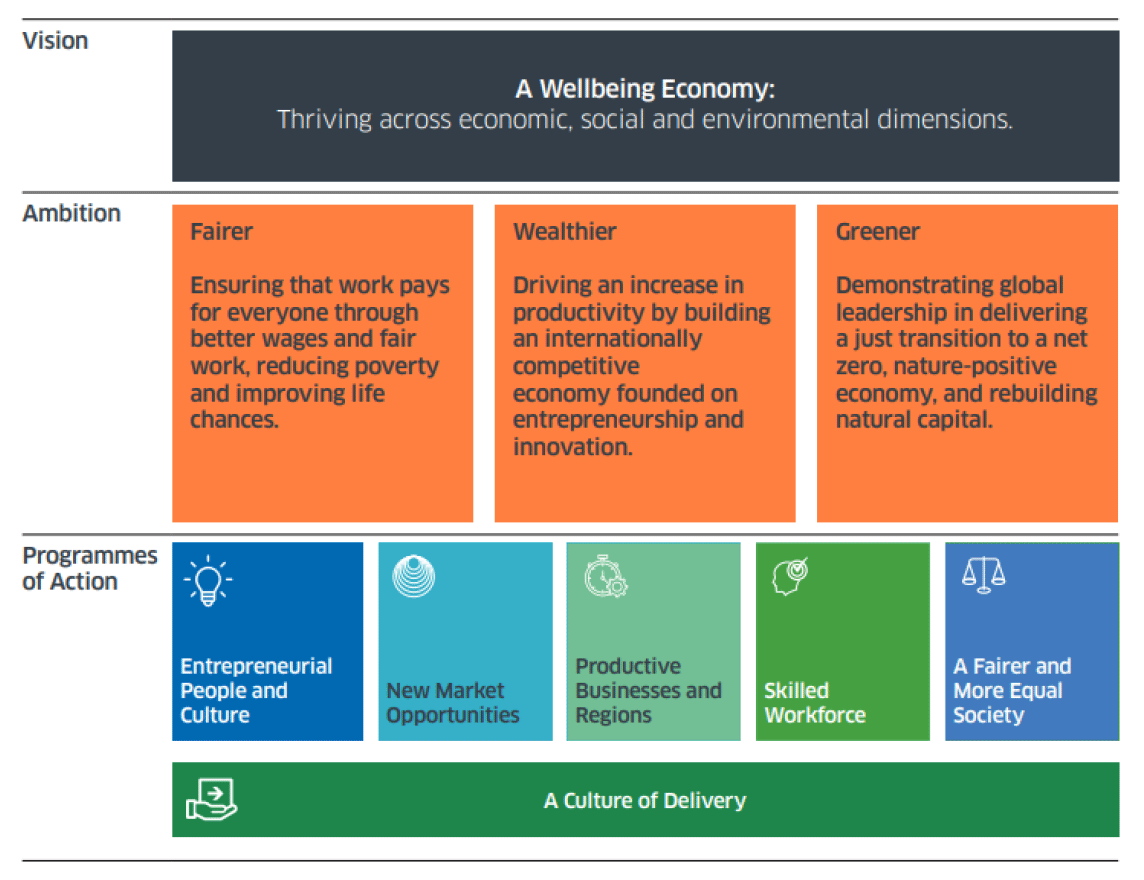
Figure 3: Vision, ambition and programmes of action for Scotland's economy [2]
Structured box diagram presenting the vision, ambition, and programmes of action for achieving a Wellbeing Economy from Scotland's National Economic Strategy.

Graphic text below:

A Wellbeing Economy: Thriving across economic, social and environmental dimensions. Ensuring that work pays for everyone through better wages and fair work, reducing poverty and improving life chances. Driving an increase in productivity by building an internationally competitive economy founded on entrepreneurship and innovation. Demonstrating global leadership in delivering a just transition to a net zero, nature-positive economy, and rebuilding natural capital.

Scotland’s natural capital timeline

In 2008, the first analysis on the impact of sustainable use of Scotland’s natural environment and how it supports the economy was published in ‘The Economic Impact of Scotland’s Natural Environment’ [3]. Since the release of the UK ‘National Ecosystem Assessment’ [4] and the first edition of the Scottish ‘Natural Capital Asset Index’ (NCAI[5], there has been a growing body of evidence on natural capital and its application to policy in Scotland. This includes the ‘National Natural Capital Accounts for Scotland’ [6] launched in 2019. These developments are outlined in Figure 4.

Internationally, the groundbreaking publication of ‘The Dasgupta Review’ [7] on the economics of biodiversity has highlighted our critical dependencies on nature and the case for action.

Since 2022, a number of key research reports and analysis on natural capital have been published by the Scottish Government such as ‘The Importance of Natural Capital to the Scottish Economy’ [8].

This makes it an opportune time to take stock of this evidence and draw out key insights from Scotland’s natural capital analysis. The purpose of this work is not to develop new analysis but instead to set out and clearly communicate the key messages and implications of the natural capital evidence to a range of stakeholders.
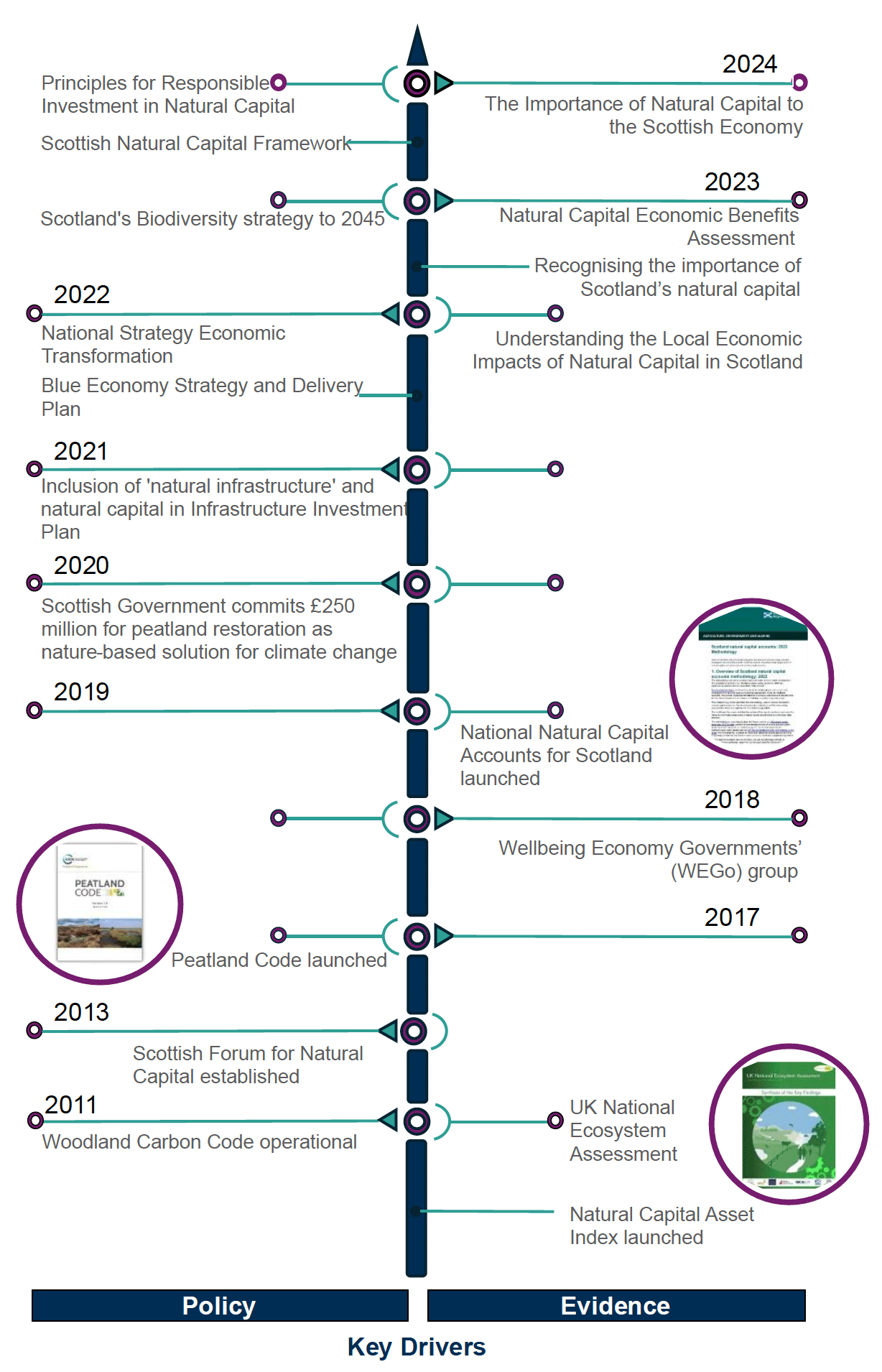
Figure 4: Scotland’s natural capital timeline
Timeline graphic showing key policy and evidence milestones related to natural capital in Scotland from 2011 to 2024. Events are listed chronologically and split in two halves vertically by policy and evidence.

Graphic text below:

In 2011, the UK National Ecosystem Assessment was published, the Natural Capital Asset Index was launched, and the Woodland Carbon Code became operational. In 2013, the Scottish Forum for Natural Capital was established, followed by the launch of the Peatland Code in 2017. Scotland joined the Wellbeing Economy Governments’ (WEGo) group in 2018, and in 2019, the National Natural Capital Accounts for Scotland were introduced. In 2020, the Scottish Government committed £250 million to peatland restoration as a nature-based solution to climate change. The 2021 Infrastructure Investment Plan included references to 'natural infrastructure' and natural capital. In 2022, several strategic initiatives were introduced, including the National Strategy for Economic Transformation, the Blue Economy Strategy and Delivery Plan, and a study on the local economic impacts of natural capital. In 2023, the Natural Capital Economic Benefits Assessment was conducted, reinforcing the importance of Scotland’s natural capital and Scotland’s Biodiversity Strategy to 2045 was published. In 2024, the Importance of Natural Capital to the Scottish Economy, the Principles for Responsible Investment in Natural Capital, and the Scottish Natural Capital Framework were all published.

Theme 1: Natural capital's economic contribution is significant

1.1. Nature and our economy

Scotland’s natural environment is central to our identity as a nation. It is fundamental to our health, our quality of life, and our economy.

‘The Dasgupta Review’ [7], highlights how the economy is embedded within the environment and is not external to it. The use of natural resources is not infinite, and the depletion of natural resources has a direct impact on the global economy.

Figure 5: The economy is embedded in nature, The Dasgupta Review [7]
A diagram showing how the economy exists within the biosphere and is not external to it. Inner circle labelled Economy: contains icons representing economic activities such as factories, transportation, and technology. Outer ring labeled Biosphere: features natural elements including trees, plants, and water bodies. Surrounding blue ring contains the text: The economy is embedded in the biosphere and is not external to it.

Nature provides services that often do not have a market value, meaning they are easily excluded from and undervalued in economic analyses and decision-making approaches. The challenge is to make the value of nature more visible to enable its inclusion decision-making and in turn lead to more sustainable and overall better decisions being made.

‘The Dasgupta Review’ [7] highlights that whilst human and produced capital have been increasing over time, this has often been at the expense of natural capital. Globally produced capital per head has doubled and human capital per head increased by about 13% since 1992. Meanwhile, the value of the stock of natural capital per head declined by nearly 40% in the same time period. This is shown in Figure 6.

Figure 6: Changes in produced, human and natural capital over time [7]
Line graph with three lines showing percentage change from 1992 to 2013. The x-axis represents years (1992–2013), and the y-axis shows percentage change since 1992. It shows Produced Capital increasing significantly over the period by over 80% and human capital increasing by just under 20%. Natural Capital has declined in comparison over the period by over 30%.

A central theme of ‘The Dasgupta Review’ [7] is the importance of measuring wealth that accounts for all assets, including natural assets. This inclusive measure of wealth is argued to be a better overall measure of economic progress than GDP. While GDP reflects the market value of the goods and services an economy produces, it does not provide information on how the stock of wealth is changing. In contrast, inclusive wealth provides a measure that links coherently to the wellbeing of current and future generations. Introducing natural capital into national accounting frameworks is seen as an important step in that direction.

The Office for National Statistics (ONS) publish ‘UK Natural Capital Accounts’ [6] which estimate the financial and societal value of natural assets. These are produced annually for the UK and Scotland. They also publish ‘Inclusive Wealth and Income Accounts’ [9] that capture a broader range of activities than GDP, including the value of ecosystem services and natural capital.

In keeping with Inclusive Wealth concepts, the Scottish Government and other public bodies are committed to taking a Natural Capital and Wellbeing Economy approach. To assess progress towards the development of a wellbeing economy, the ‘Wellbeing Economy Monitor’ [10] has been developed to look beyond GDP and measure how the Scottish economy contributes to health, equality, fair work and environmental sustainability. The monitor includes natural capital metrics such as greenhouse gas emissions and biodiversity.

1.2. Natural Capital Accounts

The ‘UK Natural Capital Accounts’ (NCA) aim to value in monetary terms the benefits that different ecosystem services bring to society and the economy.

The ‘UK Natural Capital Accounts’ [6] include a specific Scotland Natural Capital Account that provides an annual value of ecosystem services and an overall natural capital asset value for Scotland. The annual value is the monetary estimation of the benefits derived from ecosystem services each year. The asset value is based on the net present value of the flow of services over time. It measures the stock of ecosystem services and takes into consideration their future expected supply. A further explanation of these components of the Accounts can be found in Technical Appendix A.1.

Currently, the Accounts are seen as official statistics in development, as the methodologies are continually reviewed and revised to include more services and become more accurate.

The NCA should be interpreted as the minimum value of the services provided by the natural environment. This is because not all ecosystem services have been monetised within the NCA, due to the complexities of measurement for some services such as water quality regulation or flood regulation.

1.2.1. NCA headline results

The most recent NCA [11], published in 2024, show the natural capital value in 2022, as shown in Figure 7. The methodology is updated regularly, and the results are backdated to use the same methodology and provide a consistent time series.

Figure 7: 2024 Scotland Natural Capital Account results [11]
A chart highlighting the results of the Scotland Natural capital accounts. It shows a ring stating the annual value of £38.7 billion where most of the value comes from oil and gas at £32.8 billion. The remaining £5.9 billion come from ecosystem services provisioning - other, cultural and regulating. These are zoomed in and broken down in a horizonal bar chart on the right.

Graphic text below:

The annual value of ecosystem services is estimated at £38.7 billion, with oil and gas provisioning accounting for £32.8 billion of that total. Excluding oil and gas, the remaining £5.9 billion is distributed across various services: renewable electricity provisioning (£1.16 billion), water provisioning (£1 billion), recreation and tourism expenditure (£0.93 billion), recreation health benefits (£0.87 billion), agricultural biomass provisioning (£0.72 billion), recreation and aesthetic contributions to house prices (£0.49 billion), timber provisioning (£0.27 billion), fish provisioning (£0.17 billion), air pollution regulation (£0.14 billion), minerals and metals provisioning (£0.12 billion), wood fuel provisioning (£0.06 billion), and urban heat regulation (£0.01 billion). Noise regulation, coal provisioning, and greenhouse gas regulation have an annual value of £0, with greenhouse gas regulation showing a negative value of -£0.06 million. These services are categorized into provisioning (oil and gas and other), cultural, and regulating services.

Key findings include:

  • In 2022, the total annual value of natural capital in Scotland was estimated at £38.7 billion, or £5.9 billion when oil and gas is excluded.
  • Scotland contributes 44% of the total UK annual value when oil and gas is included and 12% when oil and gas is excluded.
  • Most of Scotland’s annual value is from provisioning services including oil and gas (£32.8 billion), renewable energy (£1.2 billion) and water supply (£1.0 billion).
  • Cultural ecosystem services had an annual value of £2.3 billion in 2022 which is composed of health benefits from recreation (£0.9 billion), outdoor recreation and tourism (£0.9 billion) and recreation and aesthetic (house prices) (£0.5 billion).
  • Regulating ecosystem services – of those that could be monetised – had a net annual value of £0.1 billion in 2022. Air pollution removal had the highest annual value of the regulating services, worth £0.1 billion in avoided health impacts.
  • The natural capital asset value for Scotland as of 2022 was an estimated £254.7 billion including oil and gas, or £142.2 billion when oil and gas is excluded.

The ONS published ‘Marine Natural Capital Accounts’ [12] in 2021, which estimated the value of UK marine natural capital assets at £211 billion. The accounts are still in development, and it is not possible to break down the results by country or region. Marine recreation and carbon sequestration were found to be the most significant benefits. Marine carbon sequestration was estimated at between one-third and more than double the carbon removed by terrestrial habitats but requires more research to fully understand.

1.2.2. Renewable energy generation increasing as use of fossil fuels decreases

Based on the ‘UK Natural Capital Accounts’, oil and gas made up 45% of the total UK annual flow value in 2022. However, when projecting long term, oil and gas is 7% of the overall UK asset value, whilst the asset value of renewable energy is around 2.7%. Figure 8 presents key trends in fossil fuel and renewable energy in the UK and Scotland.

Figure 8: Fossil fuels and renewable energy trends [13]
A chart showing the trends of fossil fuels and renewable energy

Graphic text below:

Fossil Fuels

  • The physical production of fossil fuels has declined.
  • Output for oil and gas was down 53% and coal was down 97% between 2003-2020
  • Energy generation from oil and gas fell by 60% between 2008 and 2020.

Renewable Energy

  • Renewable energy generation in Scotland tripled between 2008 and 2021.
  • The percentage of total energy generation in Scotland which comes from renewable sources has increased considerably, from 16% in 2008 to 52% in 2020.

Overall, non-renewable resources represent a declining share of natural capital, whilst renewable resources are increasing in relative terms.

1.2.3. Fluctuations in natural capital due to oil and gas prices

It is important to note that the annual value of Scotland’s natural capital is very sensitive to oil and gas price changes. While oil and gas are priced commodities, they are also non-renewable provisioning ecosystem services that are derived from natural assets and provide economic value. More details on how provisioning services sit within both the National Accounts and the Natural Capital Account is provided in Technical Appendix A.2.

The value of oil and gas within the natural capital accounts represents the value of oil and gas arising directly from the natural asset whereas other economic data measures the Gross Value Added (GVA) of the resource, which is the economic contribution to the economy and value added by labour and capital. The economic data on oil and gas will differ from the value presented in the natural capital accounts for this reason.

Whilst the physical flow of oil and gas has been decreasing, high oil and gas prices have meant that the natural capital annual value increased substantially in 2022, as shown in Figure 9.

Figure 9: Fluctuating oil and gas prices explain most of the variation in Scotland's annual value of ecosystem services [11]
Bar chart showing annual value of ecosystem services in Scotland over the period 2016–2022, measured in billion pounds (£) at 2023 prices. Each bar offers the annual value for that year and is segmented into four categories: Regulating services, Cultural services, Provisioning – other and Provisioning – oil and gas. It shows that oil and gas make a majority share of annual value each year.

The data presented in the Natural Capital Accounts provides the headline estimates for the value of nature to the economy and society and highlights the reliance on nature. In the following section, the economy’s reliance on natural capital is presented. This links to the System of National Accounts (SNA) and expenditure data to capture industry reliance on natural resources and ecosystem services to generate values for each sector’s reliance on natural capital.

1.3. The economy’s reliance on natural capital

The Scottish economy relies on natural capital through extraction of natural resources, provision of business-critical ecosystem services, and support to workforce and wider population health – see Figure 10.

Figure 10: Our economy relies on natural capital (adapted from The Importance of Natural Capital to the Scottish Economy [8])
A circular diagram split into three sections showing that natural capital supports the economy through the provision of ecosystem services, direct extraction of resources and support to workforce and health.

Graphic text below:

The economy relies on natural capital through the provision of ecosystem services, the support to workplace and health and the direct extraction of resources such as forestry and oceans.

Natural capital reliance is where an economic activity is dependent on ecosystem services in its value chain, such as receiving material inputs, moderation of wastes and operating conditions, and affected by customer motivations [8].

‘The Importance of Natural Capital to the Scottish Economy’ [8] research shows that industries reliant on natural capital accounted for a significant proportion of Scotland’s economic output and jobs. This is shown in Figure 11.

Figure 11: Economic output and jobs supported by natural capital
A graphic with three text boxes to summarise economic output and jobs support by natural capital. They state: around £40 billion total economic output, around 14% of Scotland's total output, and around 260,000 jobs directly and indirectly.

Graphic text below:

Scotland’s economic output and jobs are supported by natural capital. Around £40billion of total economic output is supported, around 14% of Scotland’s total output and around 260,000 jobs directly and indirectly.

The estimates presented here take a broad definition that includes direct provisioning ecosystem services such as timber and spend on provisioning services from key industries reliant on natural capital. It also captures industry reliance on a wider range of (non-provisioning) ecosystem services such as flood regulation. The contributions to economic output and employment from provisioning services and wider ecosystem services is presented in Figure 12. More on the methodology can be found in Technical Appendix A.3.

Figure 12: Economic output and jobs supported by natural capital – dependencies on provisioning services and wider ecosystem services [8]
Flowchart with three horizontally arranged sections, each showing economic impacts of natural capital by combining provisioning services and wider ecosystem services.

Graphic text below:

Around £35 billion of output is reliant on natural capital, around £25 billion comes from provisioning ecosystem services and around £9.6 billion is from wider ecosystem services. The total output effect (direct and indirect) is around £40 billion with around £37 billion from provisioning services and around £3.6 billion from wider ecosystem services. The total employment effect (direct and indirect) is around 260,000, 230,000 from provisioning services and around 30,000 from wider ecosystem services.

Even taking this broader definition, the values should still be seen as the lower limit for Scotland’s reliance on natural capital.

Of this value, £2.6 billion cannot be substituted by man-made interventions, so if natural capital is damaged this value will be lost. Therefore, action to recognise these dependencies and maintain natural capital in good condition is essential to ensure sustainable economic growth.

The report [8] outlines why it is challenging to capture the value of natural capital in traditional economic frameworks, see Figure 13.

Figure 13: Challenges in capturing the importance of natural capital in economic indicators
Sequential flowchart with four text boxes flowing vertically down.

Graphic text below:

Traditional economic indicators provide a limited view of reliance on natural capital. Many natural capital benefits from ecosystem services do not have a market value meaning that the importance of natural capital to an industry is less viable. Purchase patterns in the economy may not be of a sufficient quality due to gaps in industry data to estimate the reliance of Scottish industry on natural capital. The Scottish System of National Accounts (SNA) data are a static representation of the economy each year, this cannot show how the economy ‘re adjusts’ to changes in natural capital. An example of this kind of reporting metric is GDP.

To overcome these challenges, the research [8] provided an assessment of ecosystem services dependence for each sector to estimate the industry expenditure that is reliant on Scotland’s natural capital beyond just provisioning services. These wider ecosystem services include climate regulation, protection from floods and pollination services. This analysis provided a novel approach to better understand the overall reliance of the economy on natural capital.

The level of dependency was measured by the number of ecosystem services and the importance of reliance of these ecosystem services on production. The results of the industries that are most dependent on natural capital are shown in Figure 14.

Figure 14: Scottish industries most dependent on natural capital [8]
List of Scottish industries most dependent on natural capital with percentage shares alongside decorative graphics related to the sector.

Graphic text below:

Scottish industry reliance on natural capital varies. 88% of agriculture, fishing and aquaculture is dependent on natural capital as well as 59% of forestry and wood products, 40% of water and sewage, 30% of the spirits/ wine and beer/ malt sectors and 30% of the electricity industry.

The industries most dependent on natural capital are among the most important sectors for the Scottish economy. This means that risks to natural capital can translate into risks to these industries and the country’s economic performance.

The research [8] sets out the natural capital contribution to economic output and employment. Figure 15 provides a mapped regional breakdown of these results.

Figure 15: Economic reliance on natural capital [8]
A map of Scotland showing the economic reliance on natural capital of different Scottish regions based on data from the Importance of Natural Capital on Scottish Economy report. The regions are different shades of red depending on their reliance on natural capital.

Graphic text below:

Regional Data

Highlands & Islands

  • Domestic Expenditure Reliant on NC: £2,411
  • Output Reliant on NC: £7,223
  • Output Effect: £7,933
  • Employment Effect (FTE jobs): 54,000

Glasgow City

  • Domestic Expenditure Reliant on NC: £2,645
  • Output Reliant on NC: £8,554
  • Output Effect: £10,205
  • Employment Effect (FTE jobs): 60,300

Ayrshire

  • Domestic Expenditure Reliant on NC: £552
  • Output Reliant on NC: £1,715
  • Output Effect: £1,964
  • Employment Effect (FTE jobs): 14,100

South of Scotland

  • Domestic Expenditure Reliant on NC: £895
  • Output Reliant on NC: £2,558
  • Output Effect: £2,892
  • Employment Effect (FTE jobs): 21,700

Aberdeen City & Shire

  • Domestic Expenditure Reliant on NC: £1,239
  • Output Reliant on NC: £3,682
  • Output Effect: £4,243
  • Employment Effect (FTE jobs): 31,000

Tay Cities

  • Domestic Expenditure Reliant on NC: £1,454
  • Output Reliant on NC: £4,148
  • Output Effect: £4,946
  • Employment Effect (FTE jobs): 27,600

Edinburgh & South East

  • Domestic Expenditure Reliant on NC: £1,558
  • Output Reliant on NC: £5,329
  • Output Effect: £6,252
  • Employment Effect (FTE jobs): 42,300

Forth Valley

  • Domestic Expenditure Reliant on NC: £419
  • Output Reliant on NC: £1,440
  • Output Effect: £1,624
  • Employment Effect (FTE jobs): 11,000

The largest regional shares of output and employment that are reliant on natural capital were estimated to be in Glasgow City and the Highlands and Islands regions. These areas are both reliant on the agriculture and electricity industries but note that for Glasgow City this is an indirect reliance. Some regions, such as Glasgow, may have higher output or jobs for industries highly reliant on nature if the head office is located there rather than the location of the nature-based economic activity. Examples of this are electricity and water and sewerage. The Highlands and Islands economy is reliant on agriculture, forestry planting and harvesting, fishing and aquaculture industries; all of these industries are heavily dependent on ecosystem services.

The areas of Scotland with the highest share of key habitats providing ecosystem services contributing to economic output and employment at a national scale are the Highlands and Islands, the Tay Cities, and the South of Scotland, which are estimated to support £2.1 billion of the Scottish economy (2019). In these regions, nature-dependent output was also driven by a large presence of the top 5 industries reliant on key ecosystem services such as surface water, flood and storm protection and water flow maintenance.

1.4. Examples of reliance on natural capital

Complementing the aggregate picture, this section provides examples of sectors with reliance on natural capital and specific ecosystem services that impact the economy. The multiple natural capital contributions to the economy from Scotland’s forestry sector are highlighted in Box 1.

Box 1: Natural Capital and Forestry [14]

Scotland’s forestry sector employs an estimated 34,140 people.

An infographic poster showing forestry's economic contribution to Scotland with headline statistics in text with corresponding images. £394m from primary wood processing, £385m from forestry, £252m from tourism, and £99m from forestry activities supply chain—totaling £1.1bn. Employment figures include: 10,380 in forestry, 3,690 in wood processing, 1,940 in supply chain, and 18,130 in tourism, with a total of 34,140 jobs. Note indicates tourism figures use a different methodology.

It is estimated to contribute more than £1.1 billion per year to the Scottish economy.

Forestry activities from supply chain are supported by rural communities and contribute an estimated GVA of around £100 million.

Forestry has an important role in tourism and supports £252 million GVA from tourism and 18,000 jobs.

Forestry provides other important, non-monetisable benefits such as biodiversity, education and community engagement.

Preserving forests can have positive impacts on local communities, deliver tourism opportunities, provide health and wellbeing benefits to users, sequester carbon and provide local income and employment opportunities for future generations.

Some examples of the hidden value of ecosystem services to the economy are presented in Box 2.

These include the economic value of pollination to the Scottish economy, estimated at around £43 million per year. This was calculated based on the value of oilseed rape, strawberry, raspberry, blackcurrant, orchard fruit, and protected crops multiplied by the crop’s dependence on pollinators to give an annual value of pollination [15]. Other diverse examples presented are the economic contribution from tourism at bathing water sites and the costs of soil degradation to the economy.

Box 2: Hidden ecosystem service contributions to the economy

In Scotland, the economic value of pollinators is in the order of £43 million per year for agricultural and horticultural crops, and honey. The value of pollinators goes beyond their economic benefits. Insect-pollinated crops offer us variety, in our diet providing us with crucial nutrients, minerals and vitamins that keep us healthy. Scotland’s Pollinator Strategy [15]

Water quality has an important influence on both local and national economies – it supports jobs, local businesses and enhances visitor experience. The value of visits to bathing waters alone in Scotland is £19.4 million in local business turnover and 263 full time jobs [16].

Soils are a current area of study in the Strategic Research Programme “Understanding the value of Scotland’s agricultural soil natural capital”. A recent report published by CREW estimated annual costs of soil degradation in Scotland from soil sealing and compaction range between £25 million and £75 million due to reduced crop yield and increased fuel use [17].

A recent study to understand the value of Scotland’s agriculture soil natural capital found that there is strong public support for improving soil ecosystem services such as increased soil carbon storage and biodiversity [18].

The marine sector is an important contributor to the Scottish economy. The value of the marine economy is presented in Box 3.

The marine economy generated £4.9 billion in GVA (3% of the overall Scottish economy) in 2022. This does not include the offshore wind sector, which had an estimated turnover of £4.2 billion in 2022.

Box 3: Scotland’s Marine Economy [19]

In 2022, the marine economy generated £4.9 billion in approximate Gross Value Added (aGVA*), 3% of the overall Scottish economy.

In 2022, the marine economy employed 71,000 people (headcount), 2.7% of the total Scottish employment.

Between 2021 and 2022, the marine economy’s approximate GVA (aGVA) increased by 7%.

The longer-term trend shows that between 2013 and 2022 the marine economy aGVA fell by 14%. While oil and gas support services decreased, marine and coastal tourism increased.

Marine Sector performance

Marine and coastal tourism aGVA increased by 22% from 2021 to 2022.

The Scottish offshore wind sector, which is not included in the overall marine economy numbers, had an estimated turnover of £4.2 billion in 2022.

*Referred to as aGVA as it is an approximation of GVA based on survey data.

1.5. Summary of key points – Natural capital’s economic contribution is significant

Nature provides services that contribute significantly to the Scottish economy. It is estimated that over £40 billion of Scotland’s annual total economic output is supported by natural capital [8]. This estimate is still seen as the lower limit for Scotland’s reliance on natural capital. The industries most dependent on natural capital are among the most important sectors for the Scottish economy such as whisky and renewable energy. Risks to natural capital can translate into risks to these industries and Scotland’s economy.

Nature provides services that are easily overlooked and undervalued in decision-making. The challenge is to make nature’s values visible so these can be accounted for and lead to more sustainable and robust decisions.

The UK Natural Capital Accounts in 2022 reports that the total annual value of natural capital in Scotland is estimated at £38.7 billion, £5.9 billion when oil and gas is excluded. This should be interpreted as the minimum value of the services provided by the natural environment in Scotland as many ecosystem services are not able to be monetised yet.

While oil and gas made up 45% of the total UK annual flow value in 2022, it represents only 7% of the UK asset value, reflecting the expected declining use of fossil fuels. Overall, non-renewable resources represent a declining share of natural wealth whilst renewable resources are increasing in relative terms.

Cultural services in Scotland had an annual value of £2.3 billion in 2022, highlighting the importance of recreation, amenity, and health benefits of nature.

The value of UK marine natural capital assets was estimated to be £211 billion in 2021, although no specific breakdown for Scotland is provided. Marine recreation and carbon sequestration were found to offer the most significant benefits.

Overall, the clear message is that nature is essential and, in many cases, irreplaceable in supporting economic prosperity and key Scottish industries.

Additional sources

Outlined below are several Scottish Government research sources that provide additional context.

Understanding the local economic impacts of natural capital investment [20]

This report provides economic analysis that quantifies the typical contributions to local economies, measured as output and jobs created, from four key natural capital investments such as peatland restoration and woodland creation. The ‘Importance of Natural Capital to the Scottish Economy’ followed this analysis.

Natural Capital economics benefit assessment [21]

This report outlines economic analysis that quantifies the economic impacts, measured as output and jobs created from hypothetical cross-sector regional and national programmes of natural capital assessment in Scotland. This report supersedes the Local Economic Impacts report analysis.

Theme 2: Long-term decline in nature in Scotland, demanding stronger action

Scotland accounts for around 32% of the total UK land area with a population share of 8%. The predominant habitat types in Scotland's land cover are mountains, moorland, and heath (26%) and enclosed farmland (25%). Other key habitat types are woodland (13%) and semi-natural grasslands (10%). Between 1990 and 2021, while urban areas increased the most in relative terms (46%), woodlands increased the most in area. While 27% of land area in Scotland was farmland in 1990, by 2021 this area had decreased by 141,382 hectares to 25%, with 99,397 hectares of farmland becoming woodland [22].

2.1. State of nature in Scotland

The ‘2023 State of Nature Scotland Report’ [23] highlights that Scotland – mirroring UK-wide trends – is a highly nature-depleted country. Figure 16 presents recent data on key trends in biodiversity in Scotland. As an example, for over 400 terrestrial and freshwater species, abundance across Scotland has fallen by 15%, on average, since 1994.

Figure 16: Key findings from State of Nature Scotland 2023 [23]
Four text boxes summarising key findings from State of Nature Scotland report with associated decorative pictures.

Graphic text below:

The key findings from the State of Nature Scotland 2023 report are that Scottish wildlife has decreased by 15% since 1994, since 1970, the distribution of 47% of flowering plants has decreased, one in 9 (11%) Scottish species are threatened with extinction, Scottish seabirds have declined by 49% between 1986 and 2019.

Nature’s decline has implications for the economy and society. The ability of our natural environment to provide benefits to people – such as removing pollution from air and water and alleviating flooding impacts – has been in decline since 1950.

There has been some evidence of stabilisation in natural capital trends with progress to restore ecosystems and move towards nature-friendly land and sea use. However, the ‘2023 State of Nature Scotland Report’ [23] highlights that efforts to recover natural capital in Scotland still have a long way to go to meet the needs of people and nature.

To provide further insight on the state and trends of natural capital in Scotland, recent findings from the ‘Natural Capital Asset Index’ [5] and the ‘Natural Capital Accounts’ [6] are explored below.

2.2. Natural Capital Asset Index

The ‘Natural Capital Asset Index’ (NCAI[5] is produced every 2 years by NatureScot who are Scotland’s agency for nature. It was first developed in 2011 and is used as the data source for the National Indicator ‘Increase our natural capital’ in the Scottish Government’s ‘National Performance Framework’[2] (NPF[24].

The index helps assess the capacity of terrestrial ecosystems to provide benefits to society. The NCAI [5] uses a number of data inputs to calculate how ecosystem services contribute to the wellbeing of citizens in Scotland such as habitat type, quality and their potential to deliver ecosystem services.

2.2.1. Long term trends

Back casting to 1950 was attempted to establish NCAI [5] trends over a longer period, albeit data availability pre-2000 was not consistent with data from 2000 onwards. The results shown in Figure 17 demonstrate a substantial downward trend in natural capital between 1950 and 1990, likely driven by factors such as habitat loss and fragmentation, management changes, and development [5].

Figure 17: NCAI back casting exercise [5]
A line chart showing the natural capital asset index from 1950-2020. There is a downward trend shown as a line from 1950-1990, increase from 1990-2000, and it has been relatively stable since then. Base year is highlighted as 2000.

2.2.2. Recent trends

The most recent results, released in 2025, show that the index has improved slightly over the past 20 years but shows overall decline from 1950s and 1960s.

Figure 18: NCAI results 2025 [5]
Line chart showing the Natural capital asset index for 2000-2022 showing a 2.8pp change over time with steady increase and dip between 2009 and 2012

The NCAI [5] is now 2.8 percentage points above year 2000 levels, indicating an increase in Scottish nature’s ability to deliver benefits. Over the short-term (2019 to 2022), natural capital is classed as being ‘maintained’.

Whilst provisioning, regulating, and cultural ecosystem services have all increased relative to the 2000 base year, minimal growth has been recorded since 2019, indicating ecosystem service contributions to wellbeing are stable, but are not improving.

Figure 19 outlines the results for 2000-2022 by habitat type for their ability to deliver nature’s benefits. This shows that overall coastal, inland surface water, grassland, and woodland have all improved over this period. This overall picture can mask differing trends. For example, for woodlands, the improvement has been driven by an increase in extent while woodland condition has decreased.

Figure 19: NCAI results by habitat 2000-2022 [5]
NCAI trends for 2000-2022 summarised with arrows either pointing up or down depending on trend. Showing an increase in results for woodland, inland surface water, coastal, grasslands and downward trend in heathland, mires bogs and fens, and agricultural.

Figure 20 highlights that looking at more recent trends for 2019-2022 in the NCAI [5], all habitats were stable in terms of their ability to deliver benefits, except for agriculture, which has increased. This is likely due to decreased fertiliser use and increased habitat extent.

Figure 20: NCAI results by habitat 2019-2022 [5]
NCAI results by habitat for 2019-2022 shown by arrows which are showing stable results for all habitats except for agriculture and cultivated which is upwards trend.

While we have seen improvements to the overall NCAI score since 2000, there is still a long way to go before Scottish nature has the capacity to deliver benefits to wellbeing that were seen over the longer term.

2.3. Natural Capital Accounts

Figure 21 outlines the trends from the ‘Natural Capital Accounts for Scotland’ [11]. The trends are shown without non-renewable ecosystem services such as oil and gas and coal provisioning. Renewable energy has also been excluded due to volatile prices to better capture the trend of other ecosystem services and the value from natural assets.

Figure 21: Scotland Natural Capital Accounts, annual value of ecosystem services, excluding energy, £ billion [11]
Bar chart showing the annual value of ecosystem services in the UK from 2016 to 2022, measured in billion pounds (£) at 2023 prices. Each bar is segmented into three categories: Provisioning – other, Cultural services and Regulating services. It shows the makeup of these services for each year's annual value. Regulating makes up a minor chare in comparison to provisioning -other and cultural and went negative slightly in 2019.

The trends from the accounts highlight that:

  • From 2017-2022 the annual value of natural capital was decreasing, mainly driven by changes in regulating and cultural services as provisioning services such as timber and fish capture were increasing during this time.
  • Cultural services had a lower value in 2020 which is likely due to a reduction in visits to nature as a result of COVID-19 pandemic-related travel restrictions.
  • In 2019, the annual value of regulating services in Scotland was negative, this was driven by emissions generated by degraded peatlands. Since then, woodlands have sequestered more carbon than emitted by peatlands.

The main difference between the NCA and the NCAI is how they represent value. The NCA measure the quantity and value of ecosystem service flows in monetary terms (consistent with national economic accounting standards) and the NCAI provide insights on value by measuring the health of an asset and the ability of nature to deliver benefits [25]

Both measures show a stable trend in natural capital in Scotland with minimal growth. More information on the differences of both measures can be found at: The Natural Capital Asset Index and the Natural Capital Accounts – How Do They Compare?

2.4. Marine trends in Scotland

NPF Commitment – “A marine environment which is clean, healthy, safe, productive and biologically diverse, managed to meet the long-term needs of nature and people” [24].

The previous sections looked particularly at the trends in terrestrial ecosystems. This section focuses on marine trends in Scotland.

Scotland’s marine environment is among the most diverse in the world and includes many different species and habitats.

Overall marine abundance has been in decline, as shown in Figure 22 (alongside terrestrial indicators for comparison). From 1994 to 2016 the average abundance of 11 species of breeding seabird fell by 36%. However, since 2016 it appears to be stabilising.

Figure 22: Marine abundance in Scotland [26]
A line graph showing species abundance trends for terrestrial and marine species in Scotland over the period 1994 to 2016. It shows terrestrial and marine abundance lower in 2016 by nearly 20 basis points compared to 1994. Marine has had a more consistent decline while terrestrial has been more volatile with steady decline from early 2000s.

Examples of the diverse range of ecosystem services provided by marine habitats are outlined in Figure 23.

Figure 23: Marine ecosystem services [27]
Circular diagram divided into four colour-coded categories representing different types of ecosystem services provided by marine environments.

Graphic text below:

Benefits from the Sea

Provisioning

  • Fish and shellfish stock
  • Energy
  • Harvestable seaweed
  • Genetic resources
  • Sand and gravel

Supporting

  • Food web
  • Nutrient cycling
  • Water cycling
  • Larval/gamete supply
  • Habitats for species
  • Water currents and sediment transfer

Cultural

  • Tourism & recreation
  • Seascapes
  • Knowledge
  • Wildlife watching
  • Creativity and art
  • Health and well-being
  • Spirituality

Regulating

  • Carbon storage
  • Storm protection
  • Waste breakdown and detoxification
  • Climate and temperature regulation
  • Sedimentation and stabilisation

Climate change has a significant impact on the coastal and marine environment. Impacts include sea level rise affecting coastal areas and resulting in risks to homes and businesses, as well as temperature increases that can impact marine species distribution.

2.5. Summary of key points – Long-term decline in nature in Scotland, demanding stronger action

‘The Scottish Biodiversity Strategy 2045’ [28] sets out a clear ambition: for Scotland to be Nature Positive by 2030, and to have restored and regenerated biodiversity across the country by 2045. Scotland has shown long-term declines in nature, but more recent data for both terrestrial and marine ecosystems has been highlighting a picture of stabilisation.

The ‘Natural Capital Asset Index’ (NCAI) helps assess the capacity of terrestrial ecosystems to provide benefits to society. The NCAI is now 2.8 percentage points above year 2000 levels, indicating an increase in Scottish nature’s ability to deliver benefits. Over the short-term (2019 to 2022), natural capital is classed as being ‘maintained’. In the long term, the index highlights that Scotland’s nature’s ability to deliver benefits has been in decline but has stabilised more recently.

Overall, nature’s decline has implications for the economy and society, and its ability to provide benefits to people. There has been progress to restore ecosystems and move towards nature-friendly land and sea use. However, efforts to recover natural capital in Scotland still have a long way to go to meet the needs of people and nature [23].

Theme 3: Nature-related tourism and recreation boost our economy and health and wellbeing

3.1. Nature provides significant health and wellbeing benefits

Nature provides significant health and wellbeing benefits, which are outlined in the Natural Capital Accounts for Scotland.

The economy is reliant on natural capital to support the health of the population and workforce. An example would be green and blue spaces close to where people live and work, which can provide a wide range of physical and mental health benefits as well as underpin workforce productivity.

Natural assets, such as trees or vegetation, remove air pollutants, which helps to reduce the damages to health resulting from poor air quality. Physical activity undertaken outdoors can help to deliver cost savings to the health service as well. See Figure 24 for recent evidence on these natural capital benefits to health. It is likely that health impacts are undervalued in the Natural Capital Accounts as the health benefits from water quality are not included [11].

Figure 24: Nature-based health benefits [11]
Two text boxes with decorative graphic.

Graphic text below:

  • Air pollution removal by vegetation in Scotland resulted in avoided health impacts (including reduced mortality rates, reduced respiratory hospital admissions, reduced cardiovascular hospital admissions) worth £140 million annually.
  • The annual value of the health benefits (cost savings) derived from recreation in nature to the NHS could be £870 million.

Declines or improvements in natural capital will have direct and indirect effects on the health of the population. Urban populations in particular benefit from being able to visit green spaces – meaning they experience many of the positive impacts.

Air pollution especially impacts on the more vulnerable members of society – the very young and the elderly, or those with existing health conditions such as asthma, respiratory and heart disease. There are also various socioeconomic factors involved making air quality an inequality issue. Air quality is poorest in large, urban areas and can impact people from minority backgrounds and in deprived areas the most [29].

There is a case for investing in nature to result in better health outcomes; this results in less pressure on the NHS and less of the national budget being spent on treating illnesses which may be preventable. This budget can then be allocated elsewhere. This aligns with the Preventative Approach set out in Scotland’s Population Health Framework [30] that has a strong focus on “primary prevention”, actions that are designed to prevent problems occurring in the first place. Figure 25 highlights some of the benefits derived from active time spent in nature.

Figure 25: Benefits of exercise in nature
Figure shows the benefits of exercise in nature- decreased risk of heart attack, stroke, diabetes, dementia and depression resulting in less pressure on the health service. This is represented by three circles including this text that is connected by sequential arrows to the right.

Graphic text below:

The benefits of exercise in nature. Time spent exercising in nature leads to a decreased risk of heart attack, stroke, diabetes, dementia and depression which leads to reduced pressure on the health service.

Scotland has the highest level of average health benefits per person from nature-based recreation and outdoor exercise, shown in Figure 26. There has been a strong upward trend since 2009 [31]. A significant portion of adults in Scotland visit the outdoors regularly. Scottish people are on average less healthy, which could imply that the relative contribution from outdoor exercise is greater than the UK average, resulting in a larger decrease in health costs and improvement in health outcomes.

Figure 26: Scotland has the highest average health benefits per person, estimated at £310 in 2020 [31]
Line graph over the period 2009 to 2020 showing that Scotland has a higher value of health benefits per capita gained from outdoor excersice than England and Wales with a faster increase for Scotland since 2016 compared to the other nations.

Box 4: Valuing the health and wellbeing benefits of the NHS Scotland’s outdoor estate (June 2025) [32]

The study is the first to assess the value of the existing natural capital within the estate of a health service. It looked at the use of NHS Scotland’s green, blue or open spaces and attributed an economic value associated with the health and wellbeing benefits of visits. It uses its own survey to derive these values.

Two non-market valuation methods were used to assess the health and wellbeing benefits of the NHS outdoor estate:

  • ONS exposure-based method: This method assumes individuals who spend at least 120 minutes a week in the outdoors receive a set amount of health benefits (such as increased cardiovascular health and increased mental health) with an assigned monetary value based on the NHS resources needed to achieve this health gain, expressed as additional quality-adjusted years of life.
  • a Contingent Valuation method: This method studies the willingness to pay (interpreted as annual value) for open spaces at local NHS Scotland sites with usable open spaces.

The study finds that around half of the adult population visited an NHS Scotland open space in the past year. Around 122 million visits were made annually, an average of 330,000 visits per day. The majority of visitors visit frequently and only a small number make occasional visits.

A typical visit includes using the spaces to relax and take part in low-impact activities meaning that most of the benefits are likely to be linked to mental health and wellbeing.

Using the exposure method, the direct annual health benefits from time spent in NHS Scotland’s open spaces to approximately 205,000 adults each year was estimated at just under £82 million.

When the results of this study have been benchmarked to other studies, they suggest that the health and wellbeing benefits from exposure to NHS Scotland open spaces are substantial and on par with the benefits from other public open spaces.

Furthermore, the results indicate that these spaces also provide other benefits that extend beyond direct health and wellbeing to the individual.

Overall, this study highlights the current and potential social and economic value generated by investments in NHS Scotland open spaces, both at the health board and national levels.

The value of many ecosystem services is dependent on the location of natural assets in relation to the proximity of populations living close enough to benefit from these services.

For example, the value of services such as air pollution removal and recreation is dependent on the number of households or businesses who can potentially benefit from close proximity. This means their value is often much higher in urban areas rather than rural areas where less people would benefit.

For policy, this has the important implication to consider location to population (among other factors) in considering investments in natural capital. This has the potential to maximise positive outcomes by targeting the right population.

3.2. Tourism in Scotland is heavily reliant on nature

The ‘Scotland Visitor Survey 2023’ [33] found that 70% of visitors to Scotland stated that the scenery and landscape was a key reason for them to visit Scotland. In addition, 27% of visitors also mentioned outdoor activities, see Figure 27. Both of these reasons are heavily dependent on the state of Scottish nature.

Figure 27: Top reasons for choosing Scotland as a tourist destination
The top reasons for choosing Scotland as a tourist destination are highlighted as scenery and landscape (70%), history and culture (48%), outdoor activities (27%), visiting friends and family (22%) with associated decorative graphics.

Graphic text below:

The top reasons for choosing Scotland as a tourist destination include- 70% said the scenery and landscape, 48% chose Scotland’s history and culture, 27% said outdoor activities and 22% said visiting friends and family.

NatureScot reports that tourism contributes more than £4 billion to the Scottish economy annually and that nature-related tourism accounts for around 40% of total expenditure.

Figure 28: Nature-based tourism contribution to the Scottish economy [34]
Signpost showing that tourism contributes more than £4 billion to the Scottish economy each year, 40% of tourism spend is on nature based tourism, nature based tourism supports 39,000 full time jobs

Graphic text below:

Tourism contributes more than £4billion to the Scottish economy each year. 40% of tourism spend is on nature-based tourism, this supports 39,000 full time jobs.

A detailed analysis in 2019 for Defra in ‘The Ecosystem Contribution to Tourism and Outdoor Leisure’ [35] estimated that tourism and outdoor leisure related to the natural environment generates a GVA output of £1.2 billion annually in Scotland. The report highlights that coastal margins and marine habitats make up the largest contribution to tourism and outdoor leisure activities across the UK.

3.3. Nature and health case study

Scotland’s Natural Health Service is an initiative that is aimed at leveraging Scotland’s natural environment to improve health and wellbeing and reduce pressure on the NHS; its approach is outlined in Figure 29.

Figure 29: Scotland's Natural Health Service [36]
Flowchart showing how Scotland’s natural environment and green infrastructure support public health and social care through three pathways—everyday contact with nature, nature-based health promotion, and nature-based interventions—benefiting both the general population and people with defined needs. This finally feeds into public health and health & social care.

Graphic text below:

Public Health

Health and Social Care

Target Groups

General population (including groups within general population)

People with a defined need

Types of Engagement with Nature

Everyday Contact with Nature

  • Recreation
  • Pastimes
  • Volunteering
  • Learning
  • Active travel

Nature-Based Health Promotion Initiatives

  • Health walks
  • Green gyms
  • Community growing

Nature-Based Interventions with a Defined Health or Social Outcome

Therapeutic and exercise programmes as a treatment intervention

Scotland’s Natural Environment and Green Infrastructure

One way of using the natural environment to improve health and wellbeing is through Green Social Prescribing to help tackle and prevent mental illness. This involves supporting participants to access nature-based activities by linking nature-based providers and the social prescribing system. This can involve hands-on activities that are more physical, as well as outdoor therapy.

‘The National Evaluation of the Preventing and Tackling Mental Ill Health through Green Social Prescribing Project’ was a cross-governmental initiative from 2021 to 2023 to improve the use of nature-based settings and activities to improve mental health and wellbeing. The cost of the scheme was estimated at £507 per person and the social return on investment was estimated to be £1.88 of wellbeing for individual participants for every £1 invested [37].

Compared to other mental health interventions, nature-based activities are a relatively cost-efficient way to support people across a wide spectrum of mental health needs. Nature-based activities can form part of preventative care and offer more value for money.

An example of a recent Scottish pilot can be found in Box 5.

Box 5: Green Health Partnerships

In Scotland, Green Health Partnerships in Dundee, North Ayrshire, and Highlands were set up in 2018 to “encourage the health, social care, environment, leisure, sport and active travel sectors to collaborate in making better use of local green space as a health-promoting resource.” In North Ayrshire, where there is a rural-urban and mainland and island communities mix, two methods were used to embed green prescribing - a formal physical activity referral pathway called ‘Active North Ayrshire’ and social prescribing through different health and social care pathways, such as via a community link worker or pharmacist. The evaluation of the first three years highlighted the effectiveness of the pilot in facilitating green health opportunities and capacity building across sectors.

3.4. Summary of key points – Nature-related tourism and recreation boost our economy and health and wellbeing

Nature provides significant health and wellbeing benefits. Air pollution removal by vegetation in Scotland resulted in avoided health impacts worth £140 million annually. Annual cost savings to the NHS in Scotland due to nature-related recreation activities is estimated at £870 million.

It is estimated that NHS Scotland open spaces provide health benefits to approximately 205,000 adults each year when other forms of exposure from visits to outdoor spaces across Scotland are considered. This has an annual value of £73 million; these open spaces provide health and wellbeing benefits whilst reducing pressure on the NHS.

70% of visitors stated that the scenery and landscape was the top reason they chose to visit Scotland. Tourism contributes more than £4 billion to the Scottish economy each year, with 40% of tourism spend a result of nature-based tourism.

Recent evidence in Scotland and the UK is showing encouraging results for Green Social Prescribing. Nature-based activities are a relatively cost-efficient way to support people across a wide spectrum of mental health needs and offer good value for money.

Theme 4: Risks to Scotland’s natural capital

Natural capital is at risk from the impacts of climate change and a broad range of pressures and drivers, such as land use change and pollution, putting the benefits we derive from nature also at risk, see Figure 30.

Figure 30: State of ecosystems and risks to benefits [38]
Circular diagram showing how ecosystem state (healthy or poor) can affect risk to benefits. A healthy ecosystem leads to sustainable benefits; a degraded one increases risk. Drivers of change include pollution, climate change, and resource extraction. Solutions include restoration and integrating natural capital into decisions.

Graphic text below:

Ecosystem

Good State

Sustainable future provision of benefits

Transition to Poor State involves increasing risk to benefits

Factors leading from Good State to Poor State:

Land & sea use change

Invasive alien species

Resource extraction

Climate change

Pollution

Poor State

High risk to benefits

Transition to Good State involves decreasing risk to benefits

Actions for transitioning from Poor State back to Good State:

Restore ecosystems

Reduce drivers of change

4.1. Climate risks to Scotland’s natural capital

The ‘Climate Change Impacts on Natural Capital’ [39] highlights the risks to society and the economy through changes in ecological processes caused by climate change. The research project found that Scotland’s climate has already experienced change; this is expected to continue and become more pronounced.

Figure 31 highlights the climate change risks to natural capital. All of these impacts have implications for our environment, economy, and wellbeing.

Figure 31: Climate change risks to natural capital [39]
Graphic listing seven environmental impacts of climate change with icons.

Graphic text below:

climate change risks to natural capital include:

  • Increased water stress resulting in changes to water flow and higher water/ soil temperatures
  • Increased species competition for water and nutrients risking species loss and habitat alteration
  • Risks to pollination due to seasonal changes
  • Droughts could threaten peatland recovery resulting in higher costs
  • Drier and more flammable vegetation increases fire risks
  • Changes to crop yields
  • Increases in flooding events

Figure 32 shows the projections calculated by the study for changes in maximum temperature by month (compared to 1960–1989 baseline) for the periods 2020-2049 and 2050-2079. These changes have serious consequences for Scotland’s natural capital. Temperature changes can result in changes to ecological and ecosystem function. This can impact work to achieve Net Zero, such as peatland restoration and woodland planting.

Figure 32: Temperature change from climate change [39]
Line graph showing monthly maximum temperature change in °C for three periods: 1990–2019 (red), 2020–2049 (green), and 2050–2079 (blue), with shaded areas indicating variability for 2020-2049 and 2050-2079. It shows monthly maximum temperature change is trending higher for future years compared to 1990-2019.

The study highlights that Scotland’s natural capital has the potential to mitigate or exacerbate climate change. Peatlands as a potential source or sink is a clear example. Scotland’s peatlands have degraded as a result of land use change over the last 100 years and drainage for agriculture and forestry. The extent of blanket bog in Scotland is dependent on climate which puts the carbon stored in peat bogs at risk. This emphasises the ‘win-win’ of early action on peatland restoration which will significantly reduce later costs. Healthy functioning ecosystems provide an important foundation for adaptation to climate change by land managers and society in general.

4.2. GDP risks from nature decline

In ‘Managing Nature Risks: From Understanding to Action’ [40], the significant dependency of the global economy on nature was highlighted. The report estimated that US$58 trillion (approximately £43 trillion) of economic value generation – 55% of the world’s total GDP – was moderately or highly dependent on nature. It highlighted that five industries’ direct operations are 100% highly dependent on inputs and services provided by nature: agriculture; forestry; fishing and aquaculture; food, beverage and tobacco; and construction. As outlined in Theme 1, these are some of Scotland’s most important industries that are at risk.

‘Assessing the Materiality of Nature-Related Financial Risks for the UK’ [41] provided a detailed scenario analysis of nature-related risks to the UK financial sector, both in the near-term and the longer-term. The findings demonstrate that biodiversity loss and environmental degradation create material risks for the UK economy and financial sector, in addition to their wider social and biodiversity impacts. These impacts are near and present. The study estimated that global nature degradation could lead to GDP in the UK being 6% lower than it would have been otherwise by the 2030s. This value is greater than the GDP loss from the Global Financial Crisis in 2007-8. While the agricultural sector is at the greatest relative risk, the largest risks in monetary terms are to the services and manufacturing sectors. These risks are near-medium term but the research signals that there will be tipping points where action is irreversible.

Global nature degradation could lead to UK's GDP being 6% lower than it would have been otherwise by the 2030s. While these findings are preliminary, all the evidence points to them being conservative. The evidence clearly demonstrates these risks will increase over time with the potential for crossing tipping points.

An example of a sector reliant on natural capital and facing risks to its supply chain is the whisky sector, see Box 6.

Box 6: Whisky case study [42]

The whisky industry is an important component of Scottish cultural heritage and a source of revenue to the economy. To make whisky, a supply of good quality and quantity of water, cereal crops, and yeast is needed and distillation and maturation must occur in Scotland by law.

Around 90% of the barley requirements for whisky are sourced in Scotland. Whisky production is one of the four main industries that sources water directly from Scottish rivers [43].

Circular diagram titled 'Production Requirements' showing three interconnected elements: barley (provisioning service), peat (provisioning service), and mountain water (regulating service)

Risks to the whisky sector

Drought frequency is expected to increase, resulting in a reduced and intermittent water supply, which could decrease or halt production [42].

Although UK winter wheat agriculture is expected to remain viable over the next 50-100 years, an increased occurrence and intensity of heatwaves, droughts, and heavy rainfall events will create challenges for maintaining stability in annual crop yield.

Economic contribution of whisky to the Scottish economy

A group of three rectangular signs containing the following text: 74% Scottish food and drinks exports; £5.3 billion GVA to Scottish Economy; 10,000 people employed

4.3. Summary of key points – Risks to Scotland’s natural capital

Scotland’s climate is already experiencing change, but this is expected to continue and become more pronounced. Climate change poses a key risk to Scotland’s environment, wellbeing, public safety and the economy.

Climate change impacts will vary across different types of natural capital and ecosystem services. It is expected to lead to significant habitat alteration and changes in ecological processes. For peatlands, severe drought would risk drying of exposed soils and increased wildfire danger. Flooding events could increase the risk of invasive species, increased erosion and diffuse pollution.

Degraded or lost habitats can have important repercussions for the economy, including higher insurance costs, and a decline in productivity (through extreme weather events and urban heating).

Global nature degradation could lead to a 6% reduction in GDP in the UK compared to a business-as-usual baseline. This value is greater than the GDP loss from the Global Financial Crisis in 2007-8.

The impacts of both climate and nature loss would have a very material impact on UK GDP, equivalent to several lost years of growth. Climate change and environmental degradation are occurring in parallel and are interconnected.

Theme 5: Making the case for investment in natural capital

5.1. Benefits of early action to address nature risks

Solutions to address nature risks include restoring ecosystems, reducing the drivers of change such as pollution, and making natural capital central to decision making in the public and private sector.

‘The Dasgupta Review’ [7] makes a strong case that the benefits of early action to tackle biodiversity loss and the twin crises of climate change far outweigh the costs of not acting.

Figure 33: Acting early to stem biodiversity loss significantly reduces global costs
Comparison of economic values: US$7 trillion (8% of global GDP in 2019) now, rising to US$15 trillion (17% of global GDP in 2019) by 2050 with an arrow to indicate the change over time.

‘We Need to Act Now to Save Nature’ [44] analysis modelled the economic costs associated with pathways to protect and restore nature while providing food for a growing human population. Figure 33 shows the cumulative social cost of stabilising biodiversity intactness by 2050. By acting now, the cost is US$7 trillion (around £5 trillion), which is around 8% of global GDP (2019). This cost more than doubles if action is delayed by 10 years to US$15 trillion (around £11 trillion) or 17% of global GDP (2019).

The difference in costs between acting now and later is equivalent to 9% of global GDP (in 2019) – almost 40% of the GDP of the US in 2019. The findings were recognized in ‘The Dasgupta Review’ [7] and showed that action to protect nature now is far cheaper and avoids higher and wider economic costs than a delayed response.

5.2. Embedding natural capital in decision making

Economic appraisal focuses on getting the best value for money from policy and projects by looking to ensure all the key impacts are incorporated into the cost benefit analysis. To make the case for investment in natural capital, it must be integrated into decision making. However, it can be challenging to value all natural capital impacts and ecosystem services to integrate in decision making processes.

The Natural Capital Framework outlined in the HM Treasury Green Book is shown in Figure 34. It recommends natural capital as a framework for improved appraisal of a range of environmental effects alongside potentially harmful externalities, such as air pollution and greenhouse gases. ‘Defra’s Enabling a Natural Capital Approach’ (ENCA[45] provides detailed supplementary Green Book guidance on the environment, providing practical guidance to value ecosystem services in appraisal.

Figure 34: Natural Capital Framework [46]
A diagram highlighting the natural capital framework from the HMT Green Book. Flowchart showing how a policy or proposal leads to environmental externalities, affects natural capital stocks, alters environmental goods and services, and ultimately impacts social welfare. This is connected by arrows.

Graphic text below:

Policy or proposal producing intended and unintended collateral effects

Environmental externalities

Stocks of natural capital

Changes in environmental goods and services

Both market and non-market

Effects on social welfare

An example of use of this framework to make the case for investment in natural assets is provided in the peatland case study in Box 7. It provides an estimation of the costs and benefits for peatland restoration in Scotland and demonstrates the significant value for money of potential investment.

Box 7: Peatland Case Study

Peatlands are an essential part of the Scottish and global ecosystem.

13% of the world’s blanket bog is located in Scotland.

80% of Scotland’s peatland is degraded and contributes to climate change and carbon emissions [47].

Restoring peatland is resource intensive; the Scottish Government has pledged £250 million over the 10 years to support restoration efforts as part of its Peatland Programme (2020-2030).

Peatlands provide important benefits such as global climate regulation, wildfire prevention, water quality improvements, enhancing biodiversity, and flood regulation.

It is estimated to cost £1,712 per hectare (2024) to restore degraded peatland[3]. However, these costs may be minimal in comparison with the costs associated with further degradation [48].

If degraded peatlands are left to degrade further, this will require more effort in reducing greenhouse gases in the future, which will be more expensive.

And if peatlands are not restored, degradation may result in damage that is irreversible.

The cost of restoring all of Scotland’s peatland to a near-natural condition is estimated at around £5 billion. However, the total climate change benefits associated with restoration are estimated at £65 billion [48].

Figure 35: Peatland case study, data from Caledonian Climate Partners, 2025 [48]
Infographic featuring a map of Scotland and key statistics: £65bn in climate change benefits from restoration, £1,712 average cost per hectare, £250m pledged by the Scottish Government. There are call outs from the map stating 13% of global blanket bog located in Scotland, 80% of Scotland’s peatland is degraded, and degraded peatlands emit CO₂

A Peatland Action case study is also presented in Box 8, providing evidence of the benefits of peatland restoration at an estate in Scotland and the potential for new funding opportunities.

Box 8: Peatland Restoration at Megget Estate Peatland Action Case Study [49]

Megget Estate is a site within the Scottish Borders where Peatland Action has funded peatland restoration activities. It is part of the Weymss and March Estates, which covers over 8,000 ha of land in the Borders. The land is managed for sheep and grouse. The Estate has around 5,000 ha of peatland with a significant proportion of this being in good condition. The Estate has ambitions to have all peatland in good condition after witnessing the benefits from peatland restoration projects. The work started with a trial project on just 42 ha of peatland in 2017.

Over 516 ha of peatland has been restored on-site by reprofiling and revegetating eroded peat haggs and gullies, and by blocking hill drains.

Since the project began in 2017, biodiversity has improved, as the higher water table has improved peatland vegetation condition. This has led to an increase in the presence of invertebrates, resulting in better food sources for the local birdlife.

The site is in the catchment for the Yarrow River where water quality and water flow regulation have been priorities for the Estate. The restoration work at Megget should help reduce incidences of flooding downstream, holding water back and reducing the speed of run-off as, well as reducing the amount of peat erosion. This should increase the resilience of the fish populations in the Tweed catchment.

Finally, the estate is looking to gain carbon credits through the Peatland Code (PC) from the restoration scheme, which will support the restoration efforts with longer term finance.

‘Galvanising Change via Natural Capital’ [50] explores if and how the concept of ‘Natural Capital’ can influence Scottish decision-making in support of sustainability and a Just Transition.

‘Synthesis of natural capital and valuation outcomes’ (2025) [51] provides a collation and summary of emerging knowledge on natural capital from wider research, identifying valuation approaches to apply in decision-making.

5.3. Scotland’s Natural Capital Innovation Zone (NCIZ)

The Scottish Government have designated the South of Scotland, including the Borders and Dumfries & Galloway, as Scotland’s first NCIZ. The designation comes from work led by the South of Scotland Regional Economic Partnership (REP), which set out the vision for a nature positive future for the South of Scotland. South of Scotland were the first region in Scotland to publish a Regional Land Use Strategy, which uses a natural capital approach to identify and agree land use changes across the region to support the delivery of the Scottish Government’s environmental objectives and targets. This initiative is also backed by “Invest in South of Scotland”.

Identifying opportunities spatially enables a wide range of public and private organisations and investors to decide where they can support delivery of projects, which can optimise benefits and achieve strong financial returns.

NatureScot is leading on the development of an innovative new tool ‘The Natural Capital Tool’ [52] that will facilitate decision makers to take a natural capital approach for managing land at the landscape scale in Scotland.

Figure 36: Natural Capital Innovation Zone [53]
A map of Southern Scotland showing the outline of the natural capital innovation zone.

5.4. Development of nature markets

While current data indicates more than 66% of UK investment in nature restoration is from public funding [54], there is increasing recognition that investing in nature is both a public and private responsibility. Improved understanding of natural capital impacts and dependencies are increasing the diversity of stakeholders interested in investing in developing nature markets. By building pipelines of projects for investment and improving the institutions and market governance, nature markets can be made more transparent and appealing to private investors.

5.4.1. Commitment to securing responsible investment

The ‘Natural Capital Market Framework’ [55] highlights key actions to strengthen Scotland’s position as a leader in high-integrity natural capital markets. The Framework sets out the Government’s ambitions for natural capital in Scotland and the development of nature markets. The Government have committed to backing project development and delivery, and to incentivise developers to expand their contributions to natural capital beyond addressing the impacts of their projects towards leaving natural assets in a better state after the development than it was before. The Framework is supported by the Scottish Government’s Principles for Responsible Investment guidance, see Figure 37.

Figure 37: Principles for responsible investment in natural capital
List of principles for responsible investment in natural capital

Graphic text below:

The Principles for responsible investment in natural capital are:

  • Investment that delivers integrated land use
  • Investment that delivers public, private and community benefit
  • Investment that demonstrates engagement and collaboration
  • Investment that is ethical and values led
  • Investment that is of high environmental integrity
  • Investment that supports diverse and productive land ownership

5.4.2. Public funding to grow private finance

The Scottish Government, in collaboration with NatureScot and the National Lottery Heritage Fund, has provided funding via the ‘Facility for Investment Ready Nature in Scotland’ (FIRNS) funding programme to support projects that shape and grow the use of private investment and market-based mechanisms to finance the restoration of Scotland’s nature. The most recent round of funding is offering grants of up to £240,000 to help develop investment ready projects and creation of viable business case and models to attract investment.

Since 2023, FIRNS has created almost £4.8 million of support for nature-based investment in Scotland [56]. Example projects include: Soil Association – Governance mechanisms for whole-farm and farm cluster natural capital project implementation and Fisheries Management Scotland – Developing a portfolio of river restoration investment packages and delivery support measures for a Source to Sea Fund.

A further project example funded under FIRNS is outlined in Box 9.

Box 9: Community Benefits Certification Mark

One ongoing FIRNS project is the development of an Outline Business Case for a Community Inclusion Standard. The project is led by Deciding Matters on behalf of the Nature Finance Certification Alliance.

This standard would be a ‘plug-in’ certification and would complement ecosystem focused nature investment standards. This enables project developers to sell credits, which reflect the additional value placed into local communities and businesses from a project. This means that buyers of ecosystem service credits would have assurances that the approach would generate place-based community benefits.

The Community Benefits Certification Mark will enable UK natural capital land-based projects to demonstrate their high integrity approach to deriving community benefits, through a self-verified or 3rd party verified certification process. The certification process will be refined through deep-dive testing with six live projects, and certification will include the necessary training and community capacity building. Certification will enable projects to be verifiably compliant to a future BSI Community Benefit Thematic Standard, which is being explored as part of the UK Nature Investment Standards programme.

One of the barriers to natural capital investment is investor uncertainty and the financial case to mobilise private funding and finance. To tackle this, the National Wealth Fund [57] (formerly UK Infrastructure Bank) plans to tackle investor uncertainty by committing to funding projects which typically face higher development costs and longer payback periods, such as peatland restoration projects. These projects are typically less attractive to investors as they have high initial development costs and take longer to see returns. Similarly, the Scottish National Infrastructure Bank (SNIB) is exploring how it can invest in and support natural capital markets, focusing on responsible investment practices. By leading by example, the aim is to encourage investors on the viability of nature markets for investment.

The SNIB views natural capital as a form of infrastructure, similar to engineered solutions for climate change or flood risk, which is worth investing in.

‘Investing in Scotland’s Natural Capital’ [58] report sets out a new way of securing finance for investment, allowing small and medium enterprises to invest in smaller projects rather than fund a whole solution. This approach can benefit community-funded projects by enabling communities to spread the cost of investment using lease agreements, rather than requiring upfront funding to buy land. Overall, it offers opportunities to a wider range of investors.

Other public funds are utilised in conjuction with Nature Markets. The Forestry Grant Scheme (FGS), managed by Scottish Forestry, provides financial support for the creation of new woodland and the sustainable management of existing woodland [59]. Peatland Action is a Scottish Government fund for the restoration peatland restoration activities [60].

5.4.3. Nature markets in Scotland

Currently, private investment in Scotland’s nature and biodiversity markets is focused on carbon market investment in woodland creation and peatland restoration. This is mainly via the ‘Woodland Carbon Code’ (WCC) and the ‘Peatland Code’ (PC). These Codes are Government backed land-based codes in the UK, providing the market structure for investment in nature restoration.

Carbon credits generated by the WCC and PC have an important role in the UK’s voluntary carbon market. High-integrity and independently verified carbon units are generated from peatland restoration and woodland creation. These units can be used to support companies net zero claims on their UK based carbon emissions.

Engagement with PC and WCC markets has increased substantially since their establishment in 2015 and 2011 respectively. The WCC has exceeded its Climate Change Plan target of expanding the woodland carbon market by 50% by 2025. Figure 38 highlights that most of the land covered by these projects is in Scotland. The average area of PC projects is around 3.6 times greater than WCC projects and tends to cover up to 200 hectares.

Figure 38: Total area of carbon projects (hectares by country), Adapted from Natural Capital Market Framework, 2024
A graph showing the area of peatland and woodland carbon code projects across the UK by nation: Northern Ireland, Wales, England, Scotland, and the UK total. Y-axis shows area in hectares, ranging from 0 to 90,000. It shows that Scotland has the majority share of posh woodland and peatland code projects. There are overall more woodland projects than peatland.

In the UK, 81% of hectares included in the UK Woodland Carbon Code (WCC) and 87% of Peatland Code (PC) hectares are in Scotland. PC projects in Scotland are predicted to prevent over 8 million tonnes of CO2e emissions over project lifetimes and WCC projects are projected to sequester 21 million tonnes of CO2e [61].

‘The Natural Capital Market Framework’ [55] outlines that over the period 2022 to 2023, the average price of a WCC PIU (Pending Issuance Unit) and PC PIU were approximately £23-25. This is significantly higher than average global prices for carbon credits, but it is not yet high enough to be the single source of revenue for most projects. As a result, projects are often built around diversified revenue streams (i.e. nature credits, timber, agriculture, and public grants).

Currently, 88% of validated PC projects in Scotland have received some level of public funding (usually via Peatland Action), with public funding amounting to approximately 70%. This links to the Scottish Government commitment to provide £250 million of public funding in peatland restoration by 2030.

WCC projects are also usually supported by public funding, via the forestry grant scheme. It is estimated that around a third of woodland creation schemes are currently supported through the WCC. The financial value of the WCC is also increasingly evident, as a result providing new options for blending public and private funding.

Since the focus of these markets is woodland and peatland, there are limited market mechanisms for many other habitats in Scotland, albeit new carbon codes are in development. To improve this, an Ecosystem Restoration Code was announced in the ‘Nature Market Framework’ [55], which aims to act as a new high-integrity market mechanism that could attract responsible private investment into nature restoration and biodiversity projects in Scotland.

5.5. Summary of key points – The case for investment in natural capital

Solutions to address nature-related risks and opportunities are increasingly becoming mainstream in Scotland. These include restoring ecosystems, making natural capital central to decision making, and enabling new opportunities in nature markets.

To make the case for investment in natural capital, it needs to be embedded in decision making. ‘HM Treasury Green Book’ and Defra’s ENCA [45] provides guidance to take nature into account to inform public sector decisions. Many businesses reliant on natural capital are including nature-related impacts and dependencies to make more sustainable decisions.

Analysis of the benefits of peatland restoration in Scotland help to make the case for investment. It demonstrates the significant value for money, and also demonstrates it is more cost effective to act early.

Both public funding and private finance will be essential to ensure sufficient investment to meet nature restoration goals. Scotland is playing a leading role in the development of high integrity natural capital markets with the 2024 ‘Natural Capital Market Framework’.

The ‘Facility for Investment Ready Nature in Scotland’ (FIRNS) provides funding to grow the use of private investment and market-based mechanisms for the restoration of Scotland’s nature. Since 2023, FIRNS has created almost £4.8 million of support for nature-based investment in Scotland.

Other innovations include the Scottish Government’s designation of the first Natural Capital Investment Zone (NCIZ) for the South of Scotland, providing a means for strategic targeting of natural capital investments.

Investment in Scotland’s nature and biodiversity markets is currently focused on investment in woodland creation and peatland restoration. 81% of the hectares in UK ‘Woodland Carbon Code’ and 87% of ‘Peatland Code’ hectares are in Scotland. Other opportunities are emerging, including an Ecosystem Restoration Code to act as a new high-integrity market mechanism.

The Scottish National Infrastructure Bank (SNIB) is exploring how it can invest in and support natural capital markets, focusing on responsible investment practices. The SNIB views natural capital as a form of infrastructure, similar to engineered solutions for climate change or flood risk.

Contact

Email: Georgia-Lee.Smith@gov.scot

Back to top