Supporting Children's Learning - Code of Practice: draft statutory guidance - Easy Read summary
Easy read summary of draft guidance for the Supporting Children's Learning Code of Practice. It does not replace the full guidance or the law. We are consulting on the refreshed guidance, which is designed to improve clarity, readability, and navigation for all users.
Co-ordinated support plans
The law says all children and young people must have a co-ordinated support plan if:
- They are educated in school.
- They need extra support from the education authority and at least one other agency.
- Their needs will continue for more than 1 year.
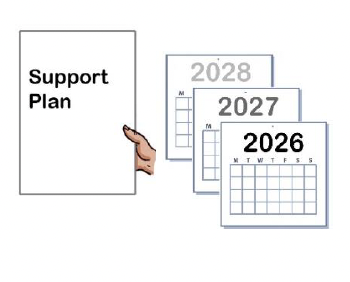
Co-ordinated support plan is a legal document that must be reviewed regularly.
The education authority must get advice and information when deciding if a co-ordinated support plan is needed. They can get this from health, social work services and voluntary organizations.
The views of the child, young person and parents must be listened to and heard at every stage.
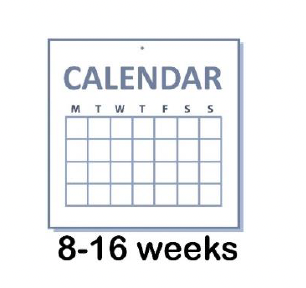
The education authority should reply to a request for assessment within 8 weeks. This may be extended to 16 weeks if the request is made during the summer school holiday.
If there is no reply this means education authority decided no co-ordinated support plan is needed. The parent, young person or child may take this refusal to the Tribunal.

An authority might agree to do an assessment but fail to decide in 16 weeks. This is the same as a decision that no co-ordinated support plan is required. This decision can also be taken to the Tribunal.

Within the 16-week timeframe, the education authority must:
- Find all the information needed.
- Decide if the child or young person should have a co-ordinated support plan.
- Tell the parent, child, or young person what they decided.
- Follow the rules for making the Co-ordinated support plan.

The law says a co-ordinated support plan must include:
- The child’s or young person’s support needs and the causes for them.
- The educational goals to be met.
- The extra support needed.
- The people and organisations giving the support.
The plan must say who the co-ordinator is and their address and phone number. The co-ordinator is the person in charge of carrying out the co-ordinated support plan. They will:

- Make sure the child or young person gets the services listed in the plan.
- Tell parents, children, young people and all professionals involved what they need to do.
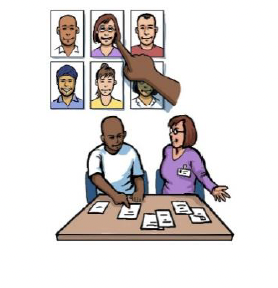
The law says the education authority must regularly review the co-ordinated support plan and make sure it still meets the child’s needs. They must do this at least once every year.
School placements
Education authorities must teach children in mainstream schools unless the law says not to.
Children can be taught somewhere else if this meets their support needs. This can be another mainstream school in the same authority or a special school, unit or class.

They must ask the child or young person and their parents or carers before they can teach a child elsewhere.
A home education authority might arrange for a child to be educated somewhere else in the UK. In these cases the home education authority is responsible for the child’s education.

Placing requests
A placing request is when the parent of a child asks in writing to place the child in a school they have chosen. The law says education authorities have a duty to agree with placing requests if possible.

Parents of children with extra support needs and young people themselves can make a placing request. Children aged 12–15 do not have the right to make a placing request.
Parents can request for their child to attend:

- A different school in their home education authority but outside their local area. Home education authority is the area where they usually live.
- A school managed by another education authority.
- An independent or special school in Scotland, England, Wales, or Northern Ireland, if that school agrees to take the child.

If a placing request is refused, parents and young people have the right to appeal. Education authorities must give parents and young people clear reasons for refusing of a placing request.

Transitions
Transitions are important times of change in every person’s life. Education includes many transitions like moving into primary school, secondary school or leaving school and entering adult life.
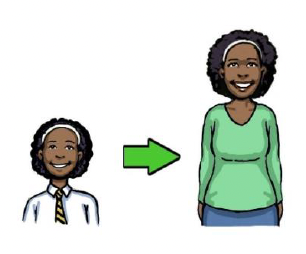
All children and young people should get support with each transition. This should help them make the most of their learning and have the best experiences through their whole lives.

Education authorities should follow these key principles whenever a child or young person with extra support needs is approaching a transition:
Early planning: Early planning makes for smoother transitions. Early discussions should take place with the new school, college, or post-school service.
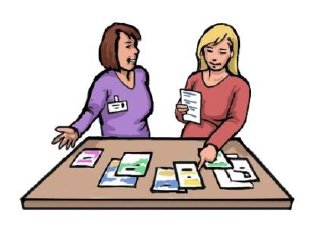
Child-centred approach: The wishes of children and young people should be at the centre of any decisions made about their support.

Work together: Children, young people, families, education staff and other organisations should work together to support the child with transitions.
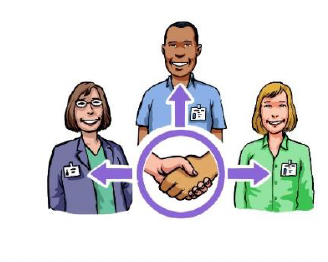
A named person or lead professional: This person in charge of the transition process. They will keep records and pass on information to help with the support.

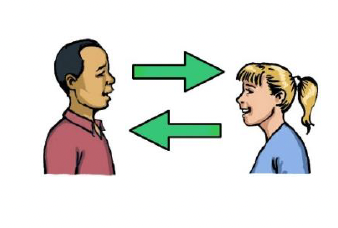
Clear communication: Use language understood by all involved. Be aware of different communication needs.
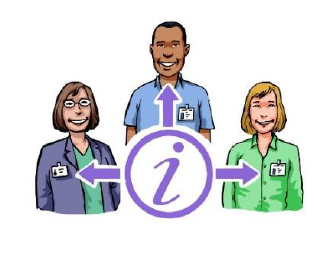
Continuity: Make sure information is properly shared from one named person/ lead professional to another to make sure plans for transitions are properly followed.
Monitor and review regularly: Plans should be flexible and updated as needed.

The law says education authorities can choose which children or young people are covered by transition rules. But most children or young people with extra support needs are included.
Resolving disagreements
Working well with families and children can help stop disagreements turning into formal disputes. But the law has 3 ways of resolving disagreements. These are:
Mediation:
This is a voluntary and confidential process where an independent mediator helps families and education authorities sort out disagreements. Mediator helps to reach an agreement.

Dispute resolution:
This involves an independent person, known as an independent adjudicator. They look at the facts of a disagreement and make recommendations to both sides to reach an agreement.
First-tier Tribunal for Scotland:
This is a group of health and education professionals. They look at appeals against decisions made by education authorities. They judge if the decisions made were correct or not.

The law says the Scottish Government must provide a free advocacy service to support parents and young people during Tribunal proceedings. Advocacy means helping people to give their views.
The law says that in special cases a person can report to the Scottish Government when an education authority fails in its duty. Scottish Ministers can then get involved and help to sort out the problem.