Supporting Children's Learning - Code of Practice: draft statutory guidance - Easy Read summary
Easy read summary of draft guidance for the Supporting Children's Learning Code of Practice. It does not replace the full guidance or the law. We are consulting on the refreshed guidance, which is designed to improve clarity, readability, and navigation for all users.
Introduction
Scottish education should be inclusive and supportive. It should deliver better results for all children and young people. It should make sure they all have the same chance of success.

The Education Additional Support for Learning Scotland Act is a law that was made in 2004. It explains how children and young people with barriers to learning should be supported.
The law says education authorities must work together. It says children, young people and parents have the right to be involved in decisions about their support.
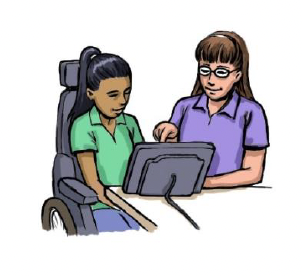
Education authorities are government and council departments that oversee education in their area.

What is the Code of Practice?
The Code of Practice sets out the rules that education authorities and other organisations must follow when supporting children’s and young people’s learning.
The code includes examples on how to use the rules. It also says how to sort out disagreements between families and education authorities.

The code is for all staff who support children and young people with additional support needs.

It is important to read the whole code and not just parts of it.
What does the law say?
The law says how children and young people with additional needs should be supported through education. The law also says how their families should be supported.
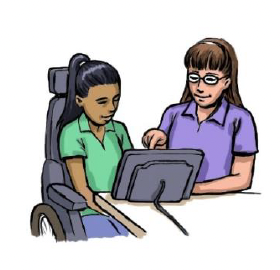
The law says a child or young person has additional support needs if they are unable to benefit from school education without extra help.

The law says all children and young people who are in care have additional support needs unless the education authority decides otherwise.
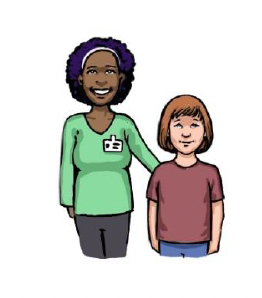
There are different reasons why children and young people might need extra support. These can include health and disability. It could also be because of the child’s family circumstances or where they grew up.
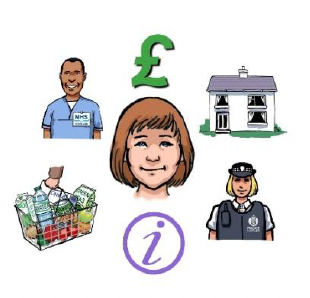
3 most common areas of additional support are:
- Ways of learning and teaching.
- Support from school or other organisations.
- Resources like special equipment.
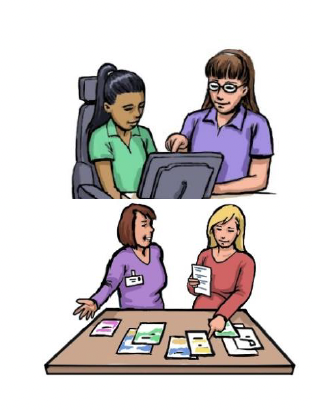
Extra support can be for a short or long time depending on the child’s or young person’s needs. A child may need different kinds of support at the same time.