Supporting Children's Learning - Code of Practice: draft statutory guidance - Easy Read summary
Easy read summary of draft guidance for the Supporting Children's Learning Code of Practice. It does not replace the full guidance or the law. We are consulting on the refreshed guidance, which is designed to improve clarity, readability, and navigation for all users.
Working with children and young people
Children and young people want to be seen as individuals. They do not want to be treated differently from other children. Their needs should be met early so they are able to learn.

Their support should be:
- Based on their own needs and wellbeing.
- Based on what the child is good at and likes doing.
- Part of everyday classroom learning so they do not feel left out.

Education authorities must include children and young people in decision making. They should be included in deciding what their needs are and planning their support.

Working with families
Parents know their children needs and should be included in the process. They should be:

- Included in planning and decision making.
- Supported to understand their own rights and their children rights.
- Be given clear and accessible information in writing, audio or visual formats.

Finding out and assessing needs
Education authorities must have a clear system for extra support. This includes finding out which children need extra support and deciding what that support should be.
When there is more than 1 organisation providing support to a child or young person the assessment should use the Getting it right for every child principles.
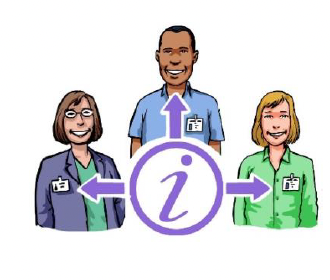
Getting it right for every child is an approach used in services across Scotland to provide all children, young people and their families with the right support at the right time.

Planning and providing support
Planning for learning continues all the way from pre-school through school and into lifelong learning. Schools and early learning settings should make sure needs are identified and met as early as possible.
There are usually 4 steps:
1. Support needs are spotted by staff
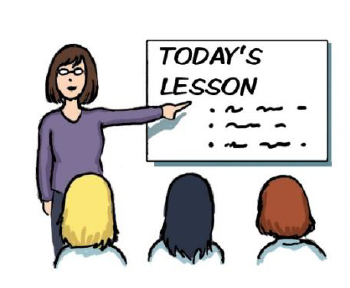
The teacher or other education staff spots that a child has extra support needs. They change their way of teaching to help the child learn.
2. School support
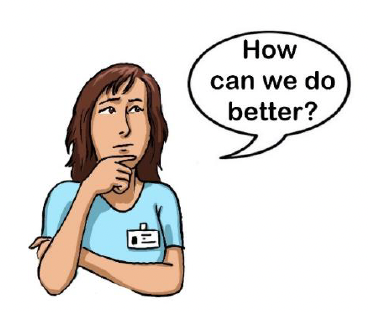
If Step 1 does not work, the staff member talks with other learning support staff. The school offer a support plan for the child’s education.
3. Other organisations get involved
If Step 2 does not work, the school gets advice from visiting teachers or other specialists.

4. Multi-agency support
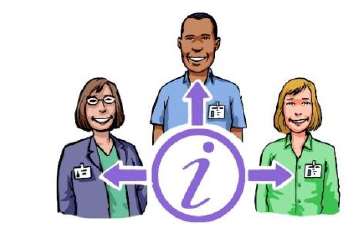
If more support is needed, the school talks to services outside education. Services such as health, social work or charities who work with children.
Different local authorities use different systems. But all use the same idea and follow these steps.