
We asked you about conversion practices – this is what you told us Easy Read Version
An easy read version of the responses to the Scottish Government's consultation on ending conversion practices.
Why we should have new laws

Most people agreed that it is wrong to have practices that are abusive, coercive and violent.
Coercive means forcing or threatening a person to do something they do not want to do.

People did not agree about if the laws we already have are enough to deal with these behaviours.
Some people thought:
- there is not enough proof that conversion practices are still happening in Scotland
- there are already enough legal protections in place
Respondents who mostly agreed with the proposals supported having:

- new criminal and civil measures
- a new statutory aggravation to add to conversion practices that are already other criminal offences

A statutory aggravation means that when a person is convicted of a crime, an aggravation – like more time in prison - can be added to their sentence.
Criminal offences are things that are illegal – they are crimes.

Civil measures are ways to solve disagreements that are not crimes or to stop harm from happening.
Some respondents said that new offences are needed because conversion practices have made people:
- self-harm - when people hurt themselves when they are very upset or worried
- take their own life

- experience mental health difficulties

The Scottish Government says that some types of conversion practices are not covered by the laws that already exist.
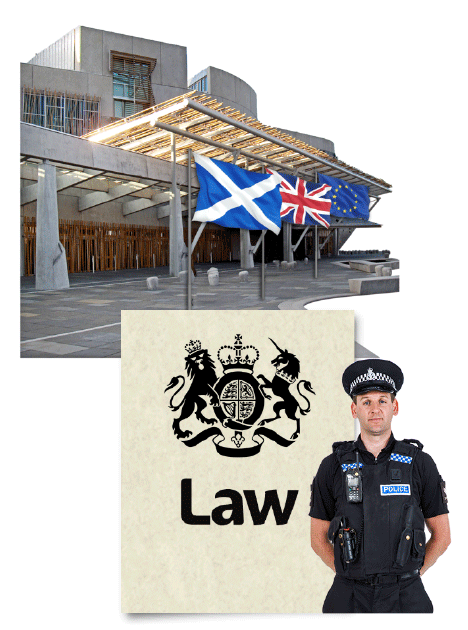
They want to introduce a new law to protect people from harm.