
Publication - Research and analysis
Scottish Economic Bulletin: October 2026
Provides a summary of latest key economic statistics, forecasts and analysis on the Scottish economy.
Inflation and Cost of Living
Inflation rose to 3.1% in August, mainly driven by an increase in motor fuel prices.
Inflation
- UK inflation increased to 3.1% in August, up from 2.9% in July and is at its highest rate since March. The key driver of the increase over the month was in motor fuel prices with the annual inflation rate for diesel rising to 27.8% and 20.2% for petrol.[3]
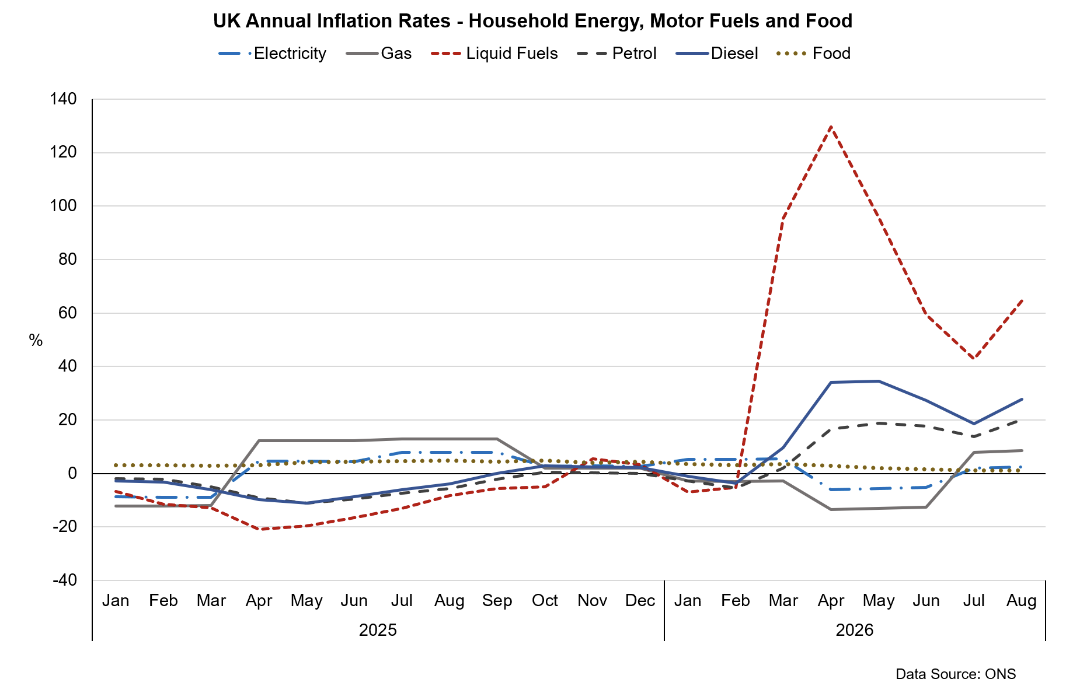
- Fuel prices continue to be impacted by the conflict in the Middle East which saw Brent Crude average $90.9 per barrel in August (peaking during the month at $95 per barrel), up from $83.4 in July. The average price of petrol rose by 9.1 pence per litre (ppl) over the month in August to 161.3 ppl, its highest price since November 2022 while diesel prices rose by 14.2 ppl to an average price of 181.8 ppl. Road fuel prices have increased again during September with both petrol and diesel prices rising to their highest levels since mid-2022.[4]
- Household energy price inflation (electricity, gas and other fuels) also increased slightly in August to 6%, up from 5% in July. The increase in August was driven by a rise in domestic heating oil prices which have risen by 64.6% on an annual basis, while electricity and gas price inflation picked up only moderately following the more significant increase in July as the step-up in the Energy Price Cap for Q3 took effect.
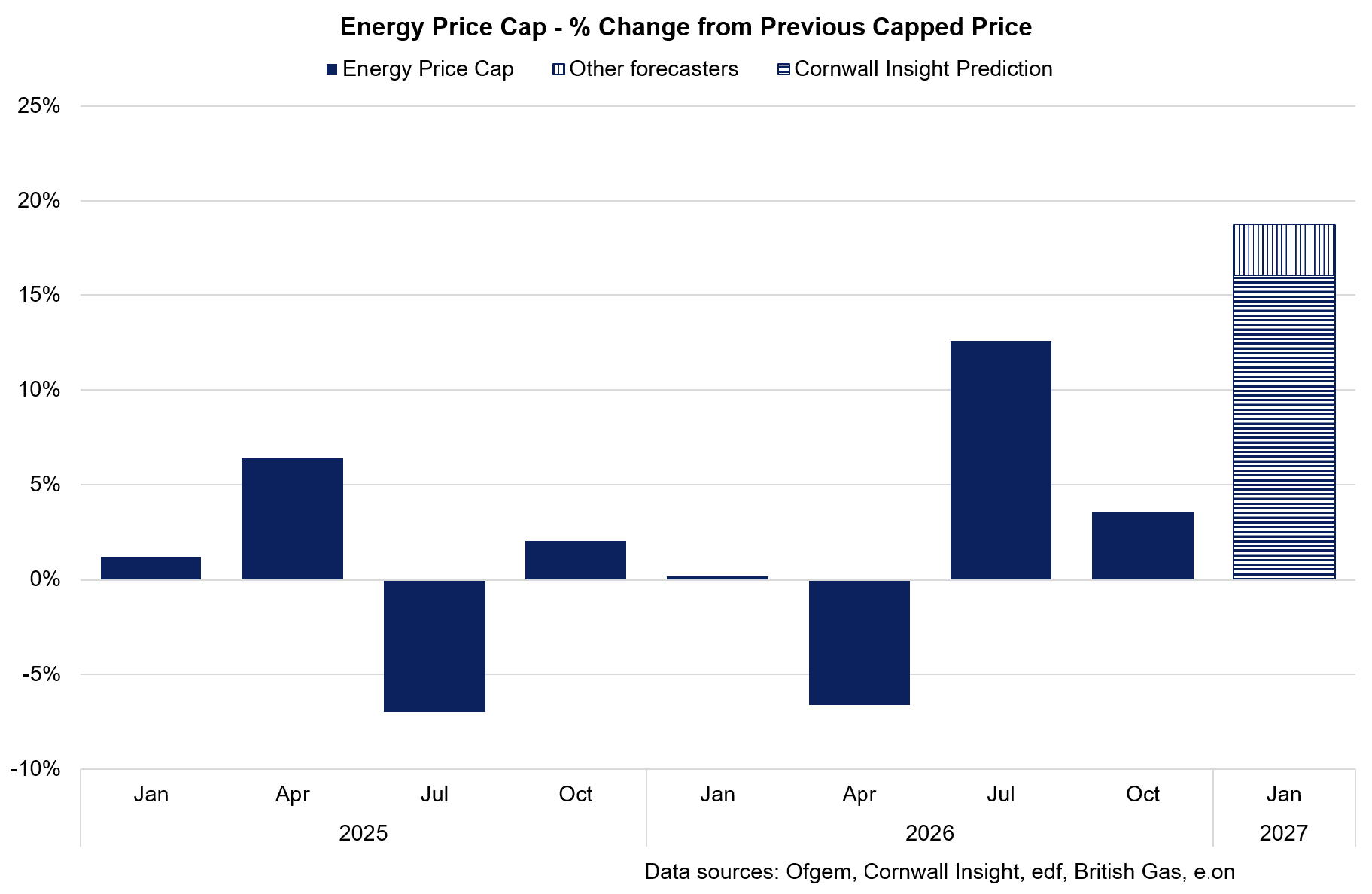
- The conflict in the Middle East continues to be the main driver of volatility in energy price inflation with oil prices rising further to peak at c.$110 per barrel in September and wholesale gas prices rising temporarily to over 200 p/therm. The Energy Price Cap rose by 4% in October and will next change in January with current projections indicating a rise of around 15%-20%, albeit there remains notable uncertainty.[5],[6]
Monetary and Credit Conditions
- Reflecting the increase in wholesale energy prices, inflation is expected to rise in the second half of 2026 as they feed through to households directly through the increase in Energy Price Cap and indirectly as businesses pass higher fuel and energy prices through their supply chains to consumers.
- The pace of indirect energy price impacts remains uncertain, including through food price inflation in which harvesting risks associated with potential impacts of El Nino have also increased. In September, the Bank of England projected inflation to rise from its current rate of 3.1% to around 3.75% in the fourth quarter of this year and slightly above 4% at the start of 2027.[7]
- The Bank’s Monetary Policy Committee (MPC) held the Bank Rate unchanged for a sixth consecutive time in September at 3.75%, albeit concluded that inflation risks had increased since their previous meeting in July. At their September meetings, the US Federal Reserve increased their Federal Funds Interest Rate by 25 basis points to a target range of 3.75%-4.00, while the European Central Bank increased their Bank Rate by 25 basis points to 2.50%.[8],[9],[10]

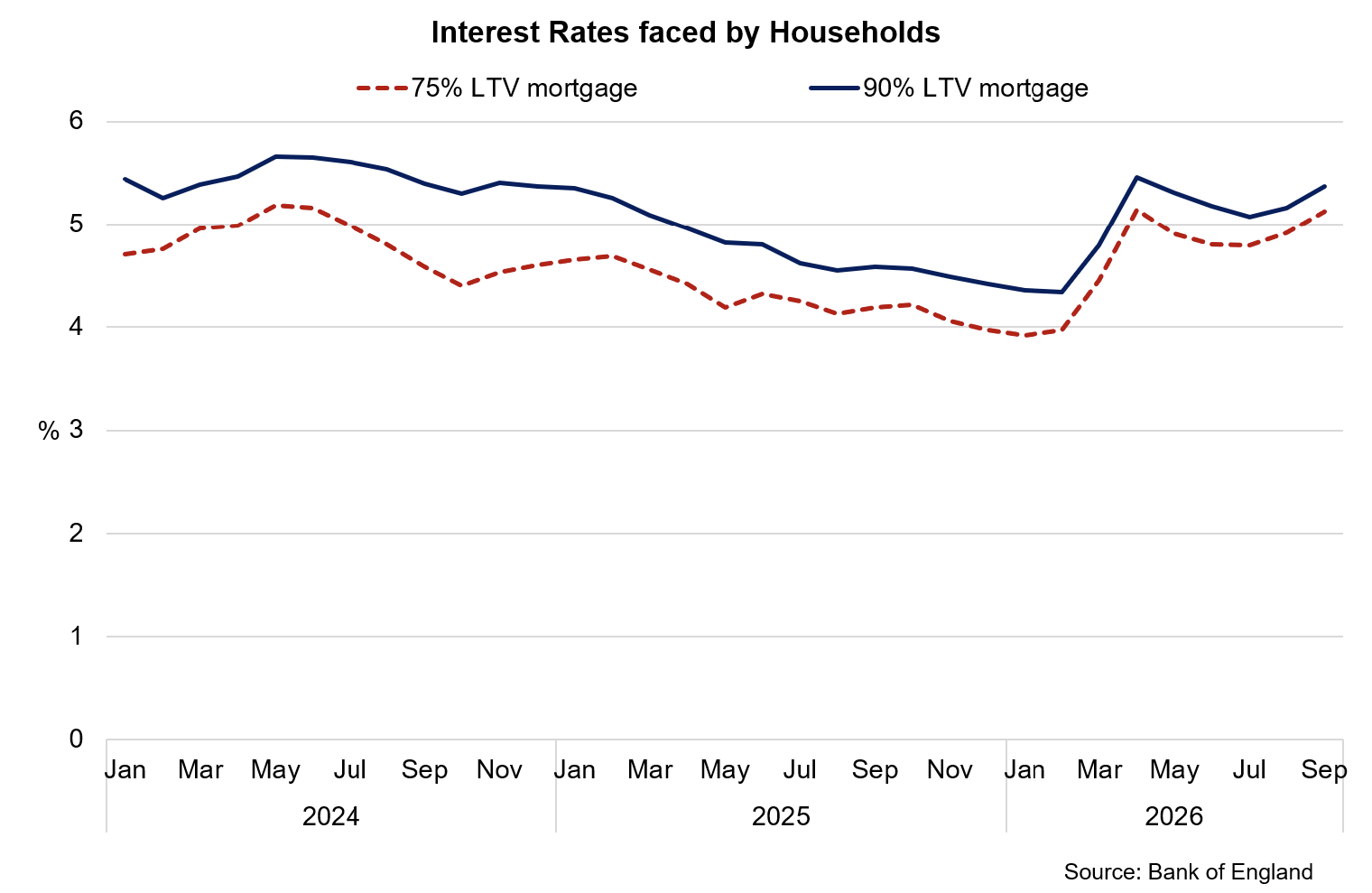
- However, increased expectations of higher inflationary pressures and risks have fed through to wider borrowing costs in the UK. UK 10-year Gilt yields have continued on their upward trend over the past month rising from c.5.1% to c.5.4%. Interest rates on two-year 75% and 90% loan‑to‑value (LTV) mortgages eased over May to July, however picked-up again in August to 4.92% and 5.16%, and remain elevated compared with pre‑conflict levels in February, when they stood at 3.97% and 4.34%.[11]
Consumer Sentiment
- The Scottish Consumer Sentiment Indicator reflects how people feel the economy is performing, how secure they feel about their household finances and how relaxed they feel about spending money.
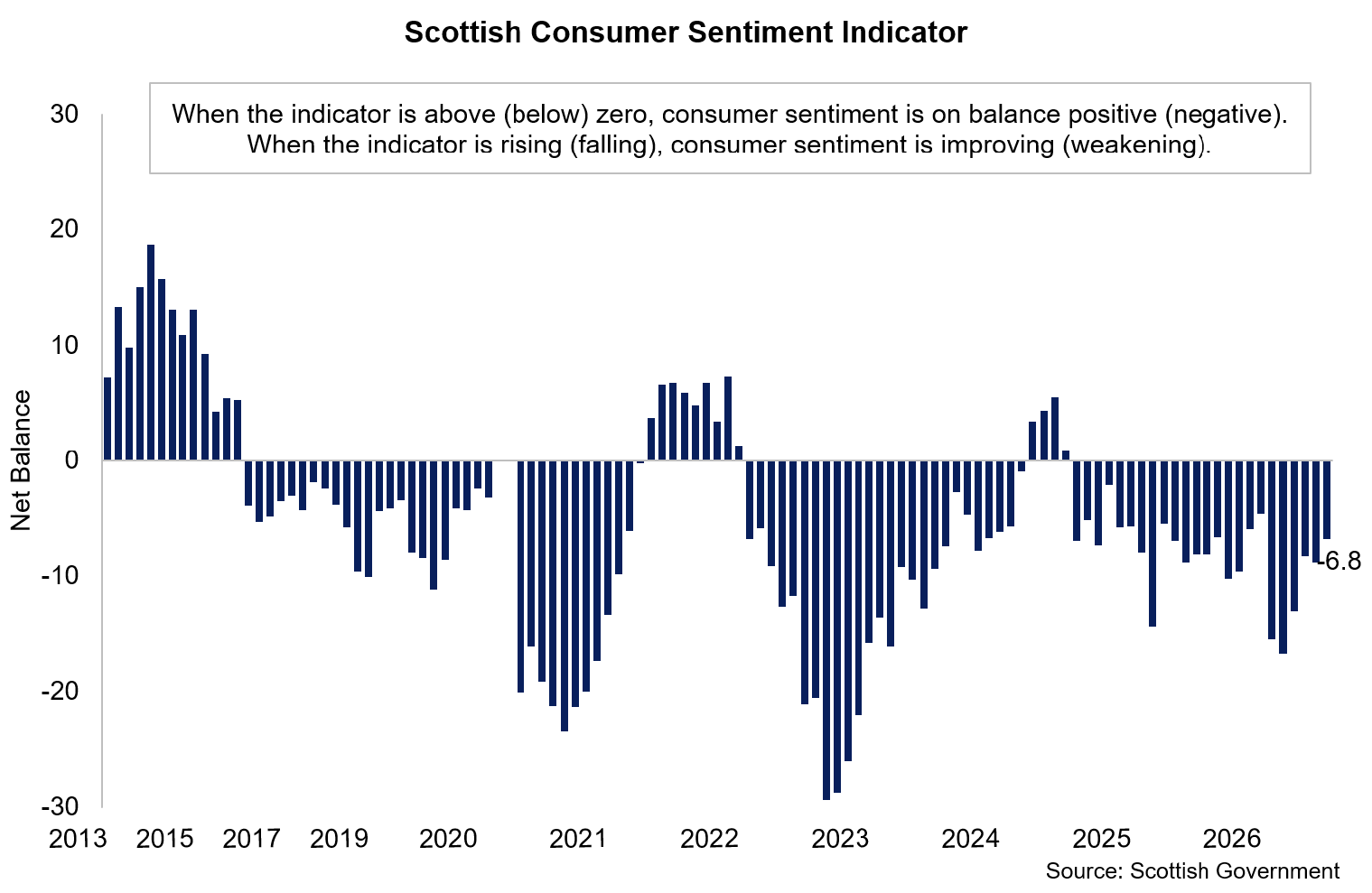
- Consumer sentiment rose over the month to August to -6.8, its highest level since February, before the Middle East conflict and has improved notably from its recent low of -16.7 in April. [12]
- The increase in August was driven by the personal circumstances sub-indicators with respondents reporting to feel less negative about their current finances (up 7.8 points to -5.4), their expected finances (up 0.9 points to -3.4) and their attitudes to spending (up 4.5 points to -19.1).
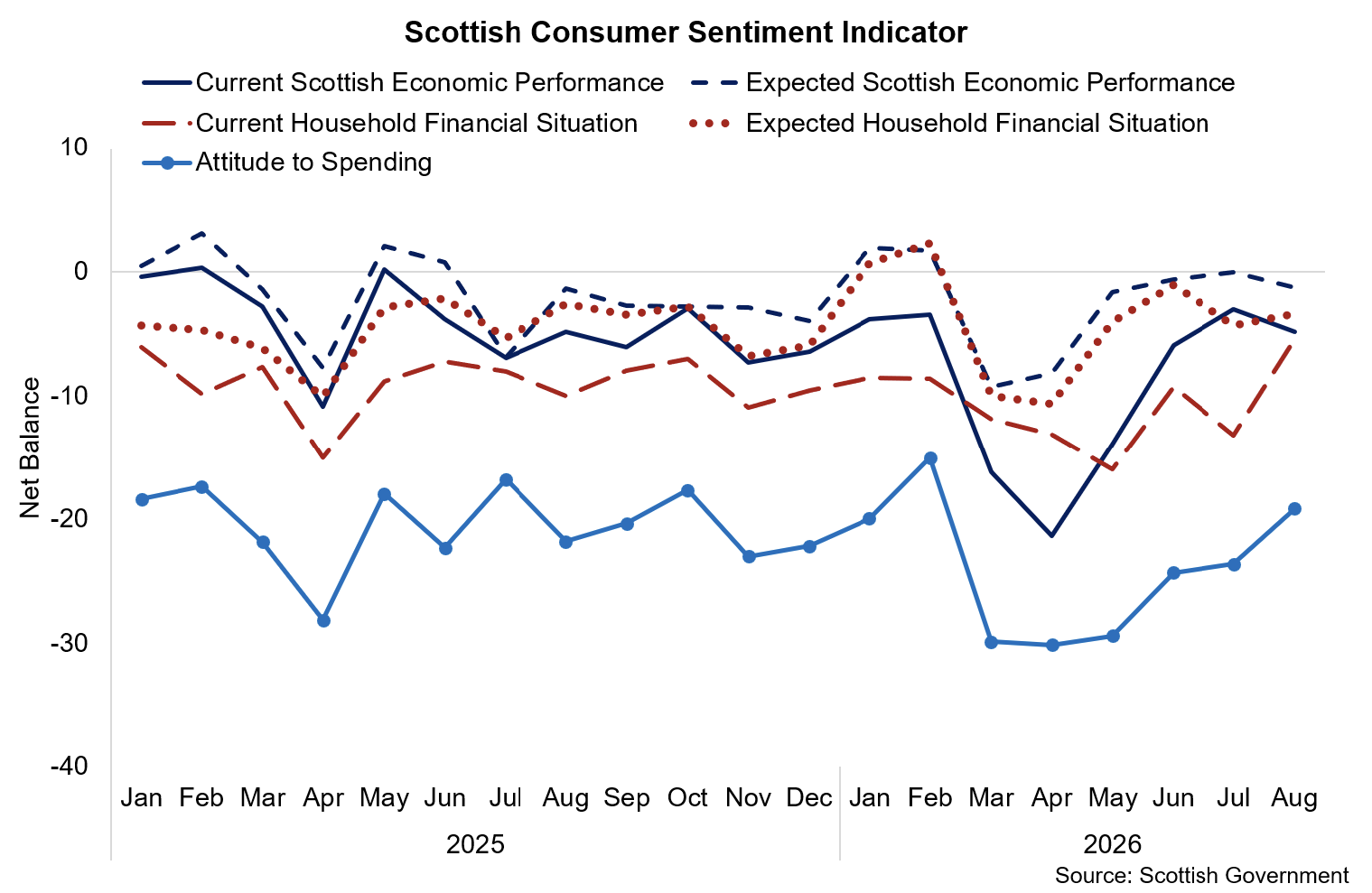
- Despite this improvement, the current household financial security and attitudes to spending sub-indicators remain the weakest of all five sub-indicators, reflecting ongoing challenges facing household budgets.
- The improvement in sentiment in August was partly offset by the economy sub-indicators, with sentiment relating to current economic performance falling 1.8 points (to -4.8) and expectations for economic performance in the next 12-months down 1.2 points (to -1.2).
Contact
Email: economic.statistics@gov.scot