
Humanitarian funding review: our future response to global humanitarian crises
This publication is an independent, external review of the Scottish Government’s humanitarian funding, assessing the Humanitarian Emergency Fund and wider mechanisms. It examines challenges, global trends, and ways to strengthen impact, localisation, feminist approaches, and future funding models.
6. Theory of Change for future Scottish Government humanitarian funding
The following figure represents a draft theory of change which integrates the recommendations discussed in Section 7. It is important to note that this represents a long-term view of areas which Scottish Government could contribute to. It is not an accountability tool which illustrates immediate priorities.
Assumptions linked to the theory of change and high-level indicators can be found in Annex D.
The recommendations which follow are grounded on the premise that the impact of Scottish Government’s humanitarian funding is to reduce humanitarian needs.
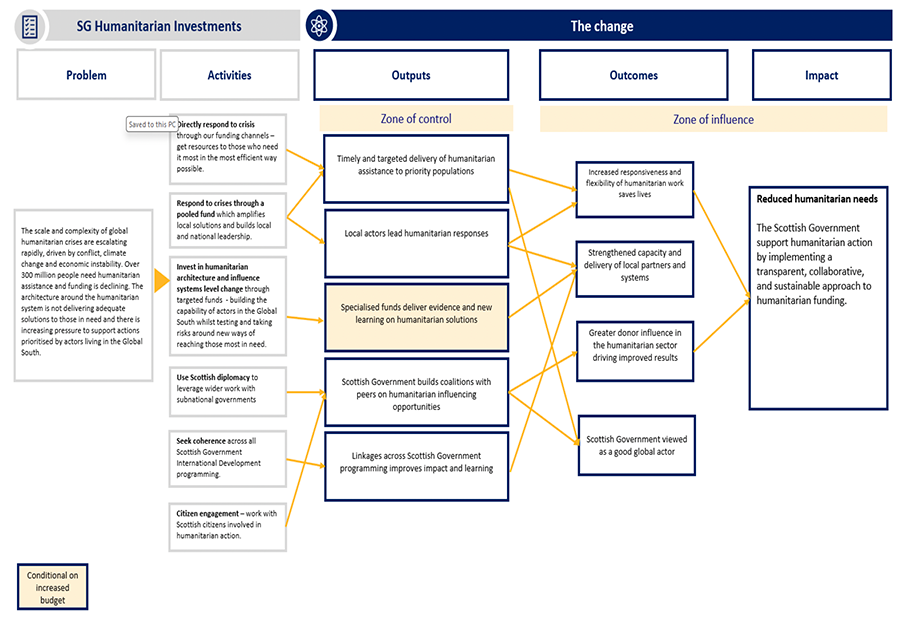
Figure 5 Description: SG Humanitarian Investments
Problem: The scale and complexity of global humanitarian crises are growing, mainly driven by conflict, climate change, and economic downturn. Over 300 million people need humanitarian assistance and funding is flatlining. There is an urgent need for innovative and collaborative solutions to improve the impact of humanitarian responses led by actors in the Global South.
Activities: Directly respond to crises through funding channels – Get resources to those who need it most in the quickest time. Respond to crises through a pooled fund – Supports multi-country responses and sub-national actors. Invest in humanitarian architecture and influence – Shape systems and funding flows by strengthening coalitions and influencing the way humanitarian funding is raised and managed. Use Scottish diplomacy – Leverage diplomatic work with subnational governments. Seek coherence across all Scottish Government International Development programming. Citizen engagement – Work with Scottish citizens involved in humanitarian action.
Outputs (Zone of Control): Timely and targeted delivery of humanitarian assistance to priority populations. Local actors lead humanitarian responses. Specialized funds deliver evidence and new learning on humanitarian solutions*. Scottish Government builds coalitions with peers on humanitarian influencing opportunities. Linkages across Scottish Government programming improve impact and learning.
The Change: Outcomes (Zone of Influence): Increased responsiveness and flexibility of humanitarian work saves lives. Strengthened capacity and delivery of local partners and systems. Greater donor influence in the humanitarian sector driving improved results. Scottish Government viewed as a good global actor.
Impact: Reduced humanitarian needs – The Scottish Government supports humanitarian action by implementing a transparent, collaborative, and sustainable approach to humanitarian funding.
Note: Conditional on increased budget *
SG Humanitarian Investments
Problem
The scale and complexity of global humanitarian crises are increasing rapidly, driven by conflict, climate change, and economic instability. Over 300 million people need humanitarian assistance. Funding is shrinking, and the Scottish Government aims to contribute to solutions to these challenges through a transparent and sustainable approach, alongside actors in the Global South.
Activities
- Directly respond to crises through funding channels – get resources to those who need it most in the fastest way possible.
- Respond to crises through a pooled fund with multiple actors – support local and national leadership.
- Influence and advocate for humanitarian priorities – strengthen the sector by sharing learning and influencing policy.
- Use Scottish diplomacy to strengthen humanitarian action – work with subnational governments.
- Seek coherence across all Scottish Government Development Programmes.
- Citizen engagement – work with Scottish actors involved in humanitarian action.
Outputs (Zone of Control)
- Timely and targeted delivery of humanitarian assistance to priority populations.
- Local actors lead humanitarian responses.
- Specialised funds deliver evidence and new learning on humanitarian solutions.
- Scottish Government builds coalitions with peers on humanitarian influencing opportunities.
- Linkages across Scottish Government programming improve impact and learning.
Outcomes (Zone of Influence)
- Increased responsiveness and flexibility of humanitarian work saves lives.
- Strengthened capacity and delivery of local partners and systems.
- Greater donor influence in the humanitarian sector drives improved results.
- Scottish Government viewed as a good global actor.
Impact
- Reduced humanitarian needs – The Scottish Government supports humanitarian action by implementing a transparent, collaborative, and sustainable approach to humanitarian funding.
Note
Conditional on increased budget.
Contact
Email: ceu@gov.scot