Mental Health (Care and Treatment) (Scotland) Act 2003 Remedial Order 2026: consultation analysis and SG response - easy read version
Easy read version of the consultation analysis report and Scottish Government response on extending the ability to specify recorded matters under the Mental Health (Care and Treatment) (Scotland) Act 2003 to patients subject to forensic mental health orders.
Questions and answers
Q1. What do you think about the new rights for patients and their named person?
People agreed that forensic patients, and their named persons, should have the same rights as patients on civil orders.
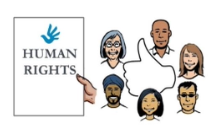
They said this would make it fairer. It would make it easier for people to use recorded matters. It would give a clear route to ask the Tribunal for recorded matters.

Some worried whether people would be able to use these rights. They think we will need:
- accessible information
- independent advocacy
- legal support where needed
- clear advice about what recorded matters can and cannot do
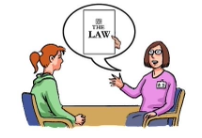
Some people suggested more changes might be needed for patients who do not have a named person to help them. Also, for patients who cannot make decisions for themselves.
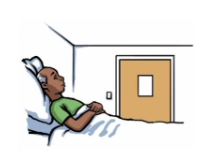
Q2. What do you think about the duties and powers for everyone involved in reviews?
People thought the suggested duties and powers for staff, Scottish Ministers, the Tribunal and the Mental Welfare Commission are good. They fit with what is already in place.

Some people said it will be easier to check if things are working.
People are worried about extra work for staff. People asked for a clear guide.
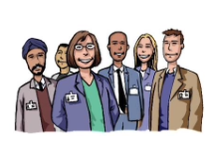
Q3. What issues might the change cause?
The issues were:
- enough staff
- limits on resources
- working the same way everywhere
People think recorded matters should be clear.

There might be needs that cannot be met.

Q4. How will this affect people with lived experience, families and carers?
People said:
- feeling included
- better care planning
- easier to see if patients have needs that are not being met
- better ways to raise concerns
- more confidence that needs are being thought about
- risk of unmet needs from not enough resources or services. This could cause stress, upset and loss of trust for patients and families.

Q5. How will this affect people with protected characteristics?
Protected characteristics are things about us that the law says we must not be treated unfairly because of. Like our sex, religion, ethnic origin, disability, sexual orientation, age and others.

Most people think the change makes things fair. They think it might be harder for some people to access their rights.
Q6. How will this affect children’s rights and wellbeing?
People said that most forensic patients are adults, but children related to them may be affected.
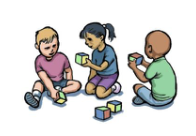
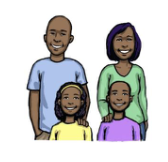
They said recorded matters could help with safe family contact.
Some said that if a child or young person is a forensic patient then recorded matters could help meet their needs.
Q7. How will this affect businesses or organisations?
People think there will be extra cost and workload for public bodies and charities, including:
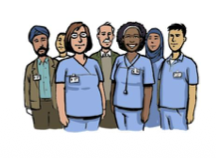
- NHS Boards
- local authorities
- Health and Social Care Partnerships
- the Mental Health Tribunal for Scotland
- Scottish Government
- the Mental Welfare Commission
- independent advocacy groups


They think the changes will mean:
- extra hearings
- changes to how cases are dealt with
- extra reports
- extra staff attending
- more services needed
- more advocacy asked for
- legal advice or legal aid needed

Q8. What do you think about how the changes will be introduced and when they will start?
The start date is 12 November 2026, and people think this is good because it needs to be done quickly for fairness.

They think the date is only good if everything will be ready. Some people think everything cannot be ready in time.
People asked for clear communication with patients, named persons, families and carers. This includes the chance to ask questions and get information in ways that they can understand.
Q9. Can you think of any negative effects caused by the changes?
People said that changes could put more pressure on services.
People worry that legal action might be taken if needs are not met. Staff might think they need to work in a way that protects themselves.

Q10. Do you have anything else to say about the changes?
Some people have concerns about the recorded matters system now. They think there are problems making sure the recorded matters happen. They think more work will be needed.