Mental Health (Care and Treatment) (Scotland) Act 2003 Remedial Order 2026: consultation analysis and SG response - easy read version
Easy read version of the consultation analysis report and Scottish Government response on extending the ability to specify recorded matters under the Mental Health (Care and Treatment) (Scotland) Act 2003 to patients subject to forensic mental health orders.
This report
The Scottish Government did a consultation about changes to the Mental Health (Care and Treatment) (Scotland) Act 2003. It was about mental health orders.
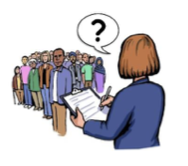
A consultation is when people are asked what they think.

A mental health order lets medical staff treat people whether they agree or not. These orders are made by an independentbody called the Mental Health Tribunal for Scotland, or by a court in a criminal case.

An independent body is a group that provides a public service but is not part of the Government.
Mental health orders made by the criminal court are called forensic mental health orders. The rest are civil orders.
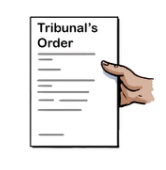
In this report patients under forensic mental health orders are called forensic patients. The Mental Health Tribunal for Scotland is called the Tribunal.

Recorded matters are used by the Mental Health Tribunal for Scotland. They are used for medical treatment, services or care for someone on a mental health order.
Just now these are used for civil orders. They cannot be used for people with forensic mental health orders.

Scotland’s highest civil court decided this difference is against the human rights of forensic patients. The change to the law would mean recorded matters can be used for forensic mental health orders.
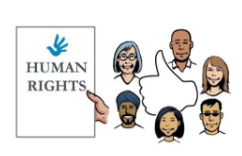
Most people who answered the consultation think it would be good to do this. They think it is unfair to treat forensic patients differently.
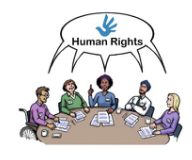
Some people asked how patients would be helped to use the new rights. This included patients with no named person, and patients with no capacity.

A named person is a person chosen by the patient to speak for them. Capacity means being able to understand information and make decisions.
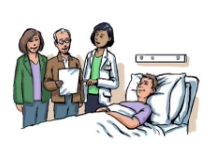
People said the new rights will only be useful if patients and named persons understand them. Advocacy and legal support should be offered if needed.
It must be possible to provide the care asked for in the recorded matters.

Advocacy means having someone who can help a patient or family to say what they need.
People said we would need:
- clear national guidance
- accessible information
- everyone using the same forms
- training for staff and Tribunal members
- checks on staff workload
- checks on how the changes are working