
International strategy: annual report 2024 to 2025
Annual report on delivery of Scotland’s International Strategy, highlighting progress made during the 2024 to 2025 reporting year.
Reputation, influence and relationships
Scotland’s International Strategy set out actions and aims for reputation, influence and relationships in areas including:
- Brand Scotland
- Scottish Connections
- cultural cooperation
- higher education and research
- knowledge exchange and partnerships
- international development
Renowned as a welcoming destination to live, work, study, visit, and do business, Scotland’s reputation is well established. The 2024 Anholt-Ipsos Nation Brands Index17 ranked Scotland 15 out of 50 countries, demonstrating the high level of international recognition we enjoy.
There are an estimated 40 million people worldwide who identify as having Scottish heritage, while many others have a strong affinity for Scotland, having lived, studied and worked here. These deep-rooted connections form a powerful network of global goodwill and cultural resonance, which we continue to nurture as part of our brand-building efforts.
We aim to build on this outstanding reputation, and these extensive people-to-people links by engaging with high-impact stakeholders and policy areas. Our goal is to expand Scotland’s international networks and influence, while also learning from global experiences to address pressing domestic and international challenges. This includes strengthening our international development efforts, reflecting our commitment to being a responsible and engaged global citizen.
Key highlights in this section include:
- Scotland ranked 15th out of 50 countries in the Anholt-Ipsos Nation Brands Index, affirming its strong international reputation
- over 200,000 Scottish supporters attended EURO 2024 in Germany, enhancing Scotland’s image abroad through cultural diplomacy and positive public behaviour
- the Scottish Connections Framework expanded global diaspora engagement, with 11 projects across six continents supported via the Scottish Connections Fund and the launch of a new Scottish Connections Advisory Panel
- the Scottish Graduate Visa proposal aims to retain international talent and support Scotland’s workforce needs
- Scotland signed multiple research MoUs with German institutions, unlocking £1.1 million in bilateral research funding
- the St Andrew’s Book Festival in London showcased 46 Scottish authors and strengthened cultural ties with the UK literary scene
Brand Scotland
For a nation to be attractive to others, its overall reputation must be strong and positive. Effective and collaborative international communications will build this reputation, grow Scotland’s networks and create economic opportunity.
The Brand Scotland Partnership brings together the international-facing communications activities of the Scottish Government alongside VisitScotland, Scottish Enterprise, Highlands and Islands Enterprise, Universities Scotland, Creative Scotland and Scotland Food & Drink to harness expertise and resources and in so doing, increase the impact of all our work in encouraging international audiences to live, work, study, visit and do business in Scotland.
This strategy enables all organisations to tell a compelling and consistent story on who we are as a nation, what we value and what we offer. The approach presents a unified proposition of Scotland to all audiences on every occasion.
The publication of an International Communications Framework in November 2024, set out the Scottish Government’s ambition to extend this further, providing support to other organisations and public sector communicators in communicating with international audiences.
Positioning Scotland as the place where Head, Heart and Spirit make good things happen forms the strategic foundation for this brand story telling which is delivered through an integrated programme of communications work, anchored visually through the consistent use of the Scotland brand marque. In 2025, brand tracker research showed nearly 30% of respondents recognised the marque, up ten percentage points from 2022.
The marque ensured visual consistency across campaigns, including a hero film produced by CNN18 for Highlands and Islands Enterprise and The Highland Council, promoting the region.
In 2024-25, a three-pronged channel strategy worked to encourage more people to choose Scotland, with particular emphasis on living and working and doing business.
This strategy was delivered through a media partnership with the BBC and paid-for social and pay-per-click media campaign targeting audiences in the US, France and Germany.
It was bolstered by an always-on programme of organic social and digital content. In 2024-25, Brand Scotland social channels achieved an organic reach of 23.5 million with an average of 37,000 engagements each month. In this time, scotland.org recorded 1.8 million active users, 3.3 million views of pages and almost 90,000 referrals to partner websites.
And it was brought to life around the world through a series of global calendar moments which afforded unique opportunities to connect with warm audiences.
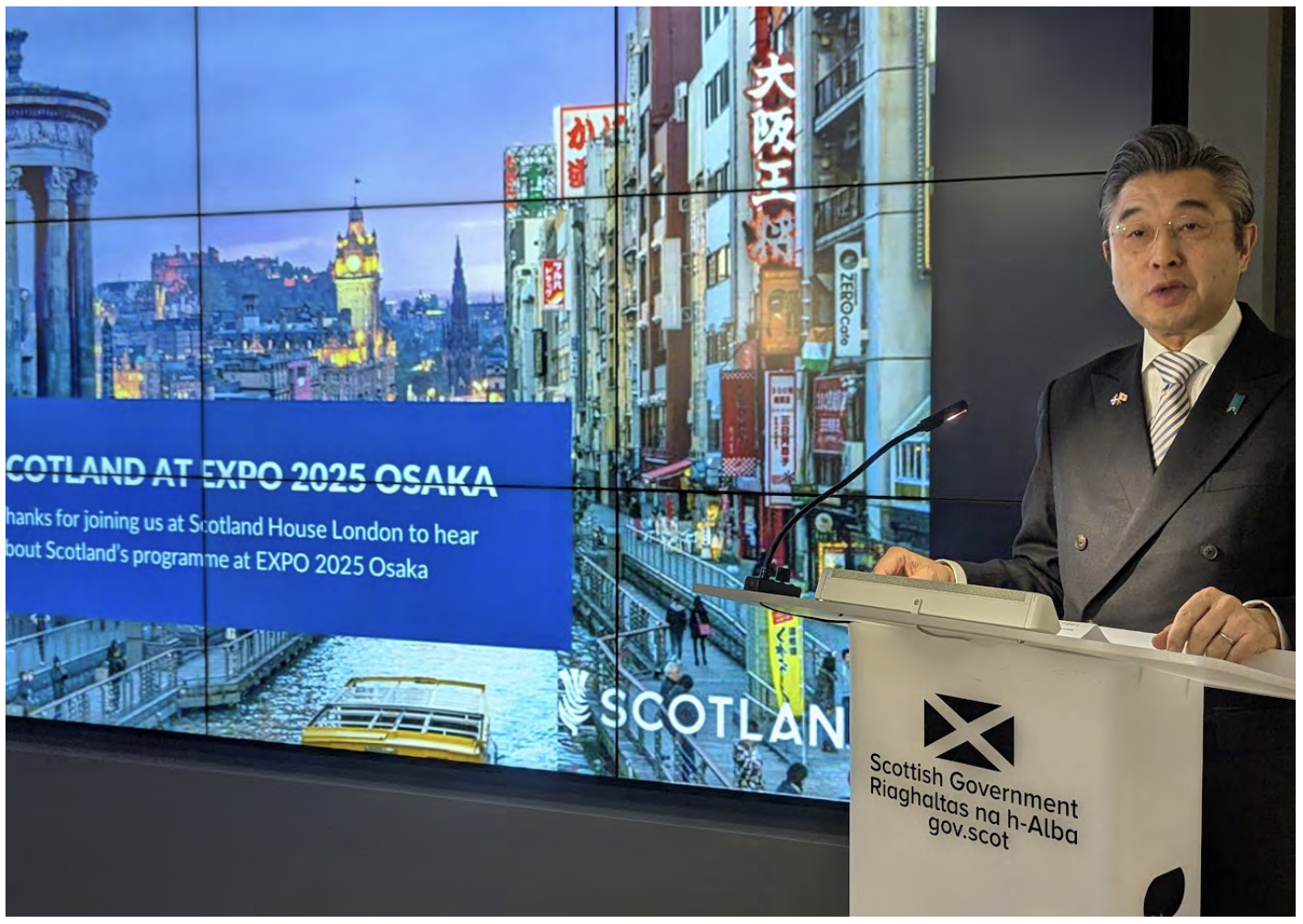
From a food truck takeover in Manhattan for Tartan Day to telling Scotland’s story in an immersive dome at Expo 2025 Osaka, Kansai in Japan, from EURO 2024 activations across Germany to seafood showcases, student recruitment fairs and a host of cultural and business events, the Brand Scotland Partnership created integrated and collaborative content and branding programmes in fourteen countries.
Scotland’s Migration Service19 launched in March 2024 on scotland.org20 and expanded in November 2024, offers guidance in navigating immigration, including access to qualified advisors. The service recorded over 122,000 views and 74,000 users between November 2024 and March 2025.
To support the Scottish Government’s International Education Strategy,21 Brand Scotland launched the ‘Destination Scotland’ marketing campaign in 2024 targeting prospective students in North America, Southeast Asia, India, Pakistan and Nigeria from December to May through media partnerships, new creative assets and a refreshed study portal on scotland.org.
Driven by the insight that students value a social life and cultural experiences alongside the academic reputation of institutions when choosing where to study abroad, the ‘Come to Study, Find Scotland’ creative approach worked to paint a richer picture of life in Scotland. Co-developed with academic institutions and international students, it performed strongly, with study page traffic increasing fifteen-fold to 1.2 million views from 761,923 users, with 56,920 clicks to university sites.
International Strategy Case Study 5
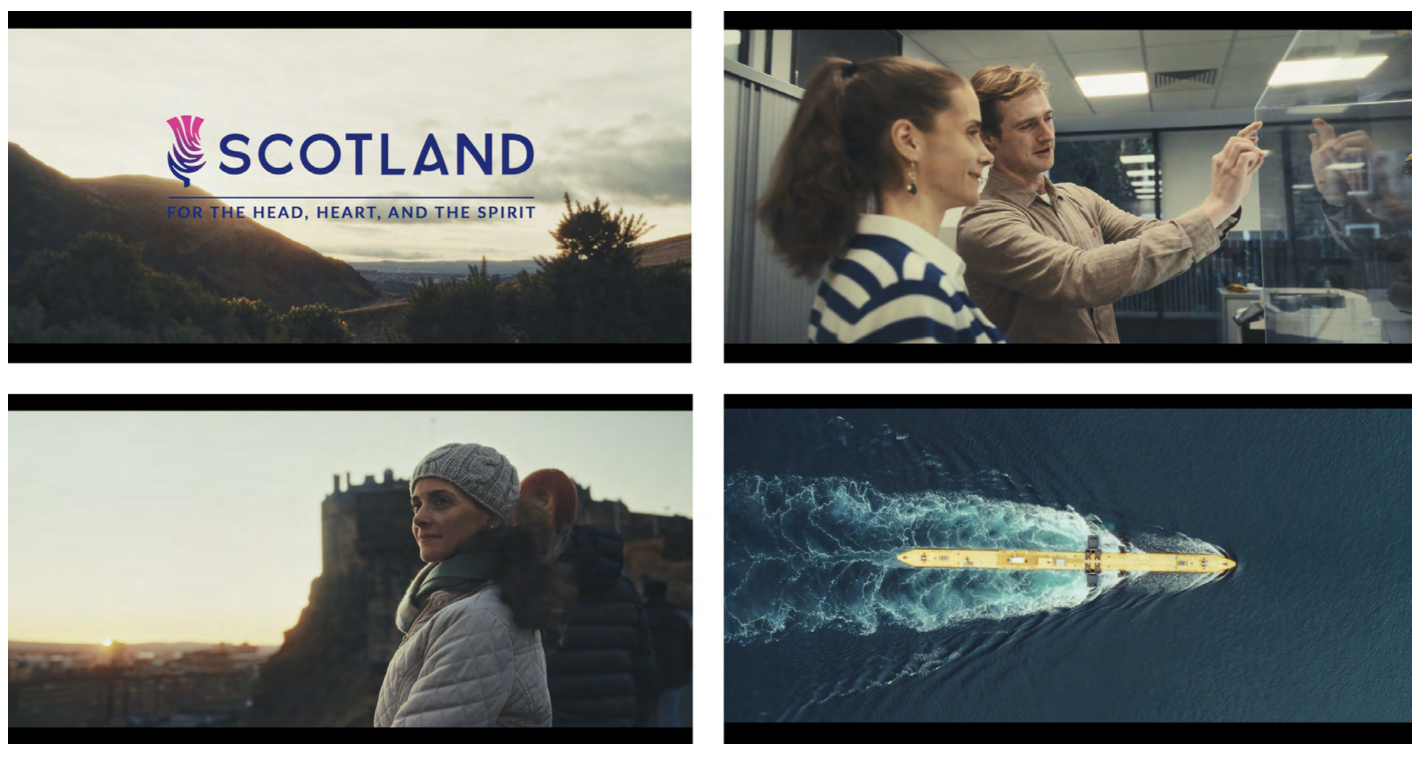
Brand Scotland Cross-Pillar Media Partnership with BBC Worldwide
Brand Scotland developed a global media partnership to harness the high quality and trusted media environments of BBC Worldwide to maximise reach and credibility in key markets, challenge stereotypes and build emotional connections with Scotland through real, inspiring stories.
Activity targeted cities in the key territories of Germany, France, US and the UK and ran from January 2025 until the end of March.
The activity focused on telling the real story of Sarah, who swapped life in central Manhattan for Scotland. Sarah’s work for a marine energy company with bases in Orkney and Scotland spotlights Scotland’s leadership in renewables and our commitment to attracting international talent.
A hero film showcased the community spirit that supports working and living in Scotland. Supported by TV edits, digital assets and social trailers, and further boosted by paid social and PPC advertising, the cross-pillar campaign reached 29.6 million people, with two-thirds recalling seeing it across digital and TV platforms.
The BBC reported a 61% uplift in viewers who saw Scotland as a progressive nation and a 45% increase in those who viewed it as innovative. The BBC AdScore study also recorded improved perceptions of Scotland as a place to do business (+81%), work (+67%), study (+37%), and visit (+12%).
Scottish Connections
This annual report incorporates the findings of the biannual review of the Scottish Connections Framework.22
Scotland is an open, connected and outward-looking country with a long history of intellectual, cultural and economic exchange. Scotland’s diaspora and our Scottish Connections are an extension of Scotland itself. Recent research suggests that upwards of 40 million people worldwide consider themselves to have Scottish heritage, and millions more share links through education, business, culture and other affinities.
In 2021, we started to shape a new policy to engage more effectively with these thriving and varied Scottish diaspora groups around the world. We commissioned an independent literature review23 into effective diaspora networks and engagement in other countries, with recommendations on how learnings could be applied to Scotland, which was was published in December 2021. Further independent qualitative research was then published in October 2022.24 The tangible recommendations provided by this research helped develop the Scottish Connections Framework and drive a global engagement plan to reach and engage with our diaspora.
The Scottish Connections Framework was published in April 2023 and outlined a cross-cutting approach to diaspora engagement. Taking a broad definition of diaspora, we aim to strengthen and expand Scotland’s links and networks with:
- Scottish people living elsewhere in the world
- those with Scottish heritage
- people who have previously lived in Scotland, including alumni
- those with professional, business, cultural or other links to Scotland
The first year following publication focused on embedding the approach set out in the Framework across government and with stakeholders, putting in place the building blocks, capacity and learning from our initial approach. A number of Scottish Government Directorates, public bodies and our international network worked proactively to implement the Framework’s commitments, through their business plans. The Directorate for Culture and External Affairs acted as the overall programme co-ordinator, while also leading the delivery of several key commitments.
The Framework established important links to the upcoming International Culture Strategy, International Education Strategy and Scotland’s Migration Service, all of which were successfully published or launched in the first year.
In year two, we saw the development and implementation of key initiatives under the Scottish Connections Framework, including the Scottish Connections Fund and the establishment of the Scottish Connections Advisory Panel. We also expanded our geographic reach across South America, Africa and Oceania through inward visits and domestic engagement with diplomatic missions and through the support of our external partners active in corporate and entrepreneurship networking.
To help us connect directly with members of the Scottish diaspora, we launched new digital resources on scotland.org. These tools are designed to increase connectivity among individuals and organisations with a link to Scotland. These tools include:
- a newsletter, which anyone around the world can subscribe to and receive relevant updates tailored to our diaspora communities. These include information on how to join us in celebrating Scotland’s Global Moments
- a Community Directory which brings together Scottish organisations and groups, from heritage and culture organisations to business networks, in a searchable list. This helps our diaspora members find relevant activity near them. The Community Directory is regularly updated, and new registrations are welcomed
The Scottish Connections Fund is designed to enhance visibility and connectivity between Scottish diaspora communities outside Scotland and indeed within Scotland itself. It provides funding to individuals and organisations around the world to take forward new and innovative projects that bring Scotland’s diaspora together and promote Scotland’s reputation and interests. All projects align to the aims and objectives of the Scottish Connections Framework.
The pilot round of the Scottish Connections Fund launched in October 2023, attracting 11 applications. Four projects were awarded funding, totalling £13,883. This provided the opportunity to support a variety of projects and promote inclusivity, with funded projects focused on areas such as addressing Scotland’s colonial past, sports diplomacy and community arts engagement.
The second round of the Scottish Connections Fund launched in July 2024, offering a total of £50,000. In 2024-25 the Fund attracted 65 proposals from organisations across six continents. Applicants could apply for a maximum of £5,000, with 11 projects selected, receiving funding for a total of £49,997. The successful projects reflect Scotland’s wide range of international links, with themes including language and heritage (including addressing difficult aspects of Scotland’s past), music, education and business.
International Strategy Case Study 6
Scottish Connections Fund
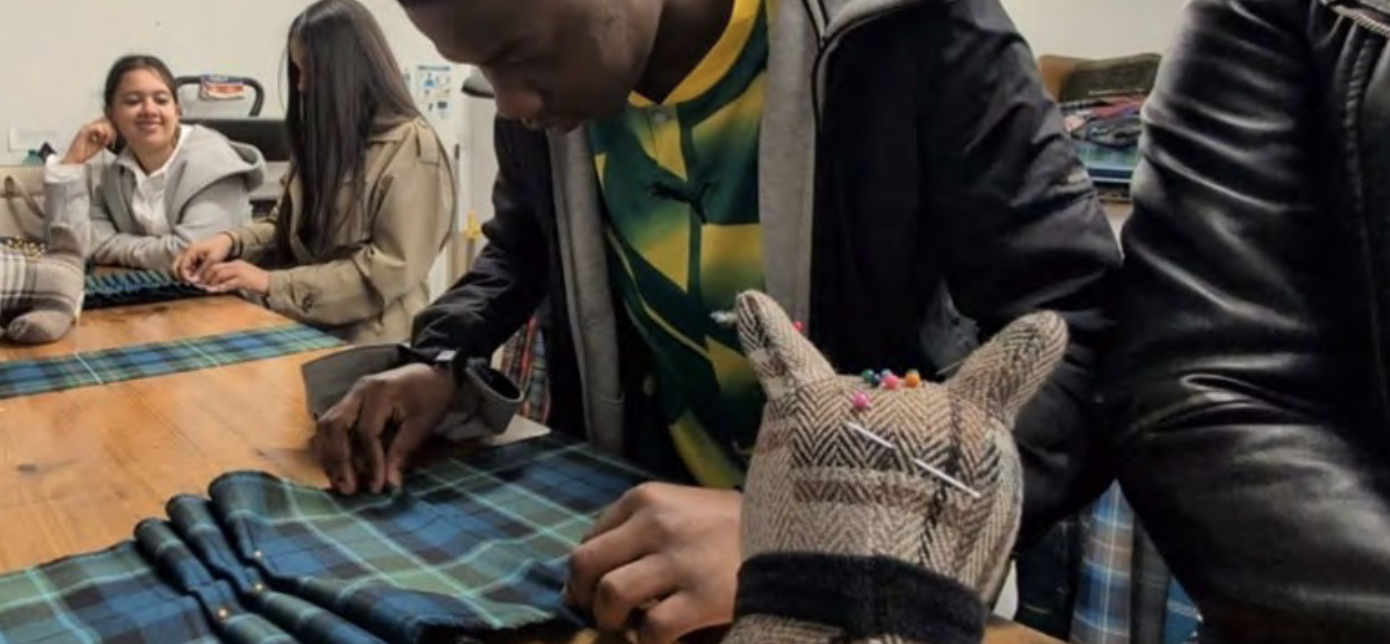
Students from Lycée Professionnel Théodore Monod in Noisy-le-Sec during their fashion education class working with Tartan
The Scottish Connections Fund 2024-25 attracted a number of applications focused on youth empowerment and education. Lisa William’s ‘My Bonnie lies over the Ocean: the entwined stories of Scotland and Carriacou’ facilitated a digital, online film-based exchange between adults and young people (aged 12+) in Scotland and the Caribbean island of Carriacou, Grenada. The initiative explored the complex yet significant cultural and historical connections between the two regions.
Another funded project in France was ‘Bridging Cultures and Broadening Horizons Through Fashion: A Cross-Cultural Kiltmaking Exchange for a fashion and clothing educational class’. The funding provided an opportunity for textile students from disadvantaged backgrounds to visit Scotland to learn from experts such as kilt makers, to support them in making tartan creations for their graded school portfolios. The students, from the Lycée Théodore Monod located in the town of Noisy-le-Sec, experienced a rich offering of Scottish culture, history and kiltmaking which would expand their professional skills, as well as having the opportunity to practise English. In addition, once their portfolios were complete, the students held a fashion show to exhibit their tartan creations in their town hall to the Mayor, parents, supporters, local community and diplomats.
Other initiatives focused on business networking for young professionals as well as organisational governance for diaspora societies. The Africa Scotland Business Network project is a pioneering international business network that connects young people in Scotland and Africa, providing intercultural exchange, business collaboration, and a strong sense of belonging and trust amongst community members.
Additionally, the University of Dundee commissioned research into Scottish clubs and societies within the diaspora to identify pathways and resources that might help these organisations to thrive. The research resulted in the creation of a practical toolkit for inclusion and growth, which provides recommendations on governance, youth and education, partnerships, events and social media.
The Scottish Connections Framework included a commitment to “establish an external advisory group drawing on knowledge and experience of our international diaspora and from expertise in Scotland and beyond.” To support this, the Directorate for Culture and External Affairs consulted other Directorates within the Scottish Government, as well as our international network of offices and public bodies, to gather suggestions for the group’s composition. The aim was to identify experts and prominent figures in the field of diaspora engagement, whether this was academic or commercial, as well as those with backgrounds in alumni networks, GlobalScots, Trade and Investment Envoys, and culture and tourism stakeholders.
This commitment was delivered through the launch of the Scottish Connections Advisory Panel, which held its inaugural meeting in October 2024. Membership and backgrounds were considered to ensure diversity in age, gender, ethnicity and location, while also representing a broad range of sectors including education, business, ancestry, culture and sports.
Table i: Scottish Connections Advisory Panel Members
- Claire McPherson, Universities Scotland
- Lolita Jackson, GlobalScot, SDCL Group
- Mark Kent, Scottish Whisky Association
- Fran Hegyi, Edinburgh International Festival
- Kim Atkinson, Scottish Sports Association
- Tanja Bueltmann, Strathclyde University
- Rebecca Brooks, Scottish Scotch Tourism Alliance
- Ian Houston, GlobalScot
- Billy Kay, Writer and Broadcaster
- Andrew Morrison, Viscount Dunrossil, chieftain of Clan Morrison, The Standing Council of Scottish Chiefs
- Murray Pittock, University of Glasgow, Scottish Council on Global Affairs
- Murray Leith, University of the West of Scotland, Centre for Migration, Diaspora, Citizenship & Identity
A number of other engagements supported policy delivery. The University of the West of Scotland launched its Centre for Migration, Diaspora, Citizenship and Identity in June 2024 during its Moving, Being and Belonging international conference. The Scottish Government participated in roundtable discussions and at the launch event, focusing on the intersection of migration, diaspora, citizenship, and identity. Officials engaged closely with experts and academics in these fields, strengthening relationships and creating new networks.
The Cabinet Secretary for Constitution, External Affairs and Culture held a series of meetings with Scottish organisations with global reach, including the Royal Scottish Country Dance Society, the national performing companies, the Scotch Whisky Association, Scotland’s sporting bodies, Historic Environment Scotland and the Standing Council of Scottish Chiefs. We are working with these organisations to strengthen engagement with their members and audiences, including through our digital offerings.
Our international network of offices have also included diaspora focused objectives into their business plans, with Scottish Connections activity integrated into office events, particularly around key cultural moments such as St Andrew’s Day and Burns Night. These events have provided valuable opportunities to strengthen engagement with diaspora communities and promote valuable sign-ups to the digital tools.
International Ministerial visits have also included a strong diaspora engagement element over both 2023-24 and 2024-25. In addition to the Cabinet Secretary for Constitution, External Affairs and Culture’s visits to Brussels, Canada, China and the USA, the Cabinet Secretary for Rural Affairs, Land Reform and Islands hosted a Scottish Connections reception in Chile in March 2024.
The Scottish Government has worked closely with diplomatic missions in the UK and made significant connections with stakeholders in Argentina, Brazil, Australia, New Zealand, South Africa and Canada:
- The Scottish Africa Business Association held a trade mission event at Scotland House London where High Commissioners and business stakeholders explored further connections.
- The Comunidad Ampliada San Andres in Argentina engaged closely with the Scottish Government to deliver its events marking 200 years of Scottish-established institutions in Argentina.
- We have received several Australian and New Zealand delegations in Scotland, exploring our deep connections.
Delivery of the Scottish Connections Framework continues to build on the successes of the past two years, incorporating valuable feedback into policy development and expanding global networks. In the coming year we will run the third round of the Scottish Connections Fund, increasing the total funding by 50% to £75,000. We will also launch the Scottish Connections Award, honouring outstanding contributions from members of our diaspora.
Our approach of embedding diaspora engagement into international visits and engagement will continue, with a particular focus on bilateral partners in Europe, the Americas and Australia and New Zealand. Targeted engagement with GlobalScots remains a key feature of ministerial overseas visit planning and delivery, including engaging with alumni. We will also explore opportunities to increase inward visits and virtual engagement.
International Network Case Study 7 – China
Promoting Scotland and our Values in China
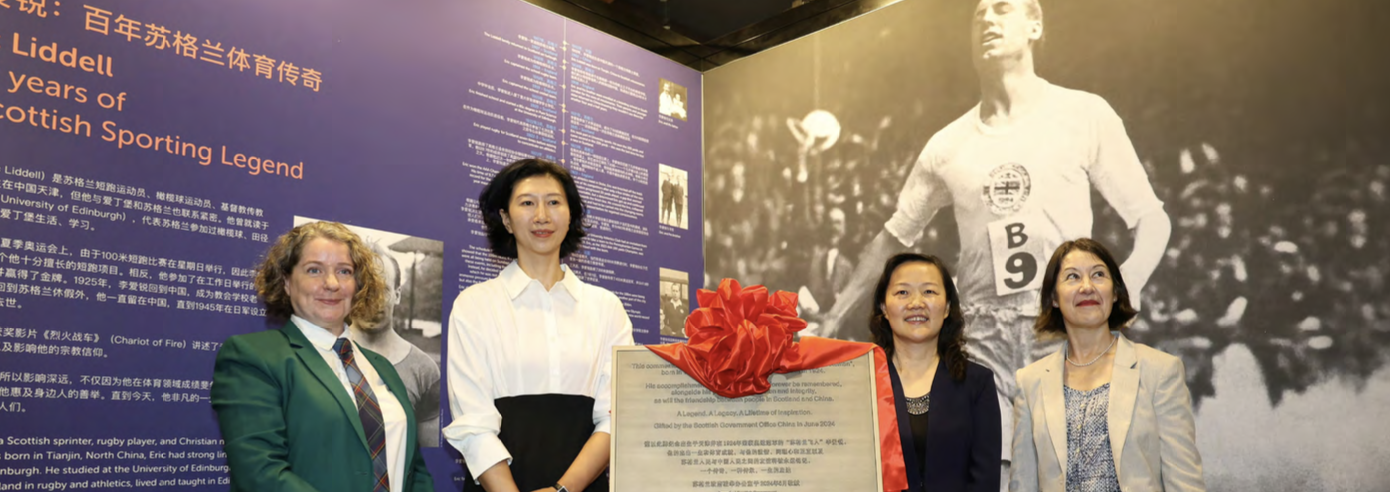
In 2024, the Scottish Government Office in China delivered a series of events to promote Scotland, centred around the 100th anniversary of Eric Liddell’s Olympic gold medal win. They promoted the values, culture and heritage of Scotland, strengthened governmental and economic ties and promoted Scotland’s tourism, education, food and drink and sports sectors to support economic growth.
The programme engaged a wide range of key stakeholders, including government officials, business leaders, Scottish diaspora and alumni and the public, reinforcing our Scottish Connections. We re-engaged with Tianjin and Shandong, where Liddell was born, lived and died. We highlighted Liddell’s values – passion, integrity, compassion and freedom of religious belief – alongside Scottish Government values of fairness, equality, inclusion and being a good global citizen.
In May, we hosted a reception in Beijing at the UK Ambassador’s residence. We welcomed guests to the sounds of bagpipes and enjoyed Scotch whisky and Scottish beer newly introduced to the Chinese market. The evening featured a rugby skills showcase and speeches from the President of China’s Rugby Football Association and China’s former international captain.
In June, we co-hosted an exhibition in Tianjin Sports Museum within the grounds of the stadium Liddell helped design. We showcased our long-standing people-to-people links with China and highlighted the importance of our values. Co-hosted with local government and sports authorities and in partnership with the Eric Liddell Community, the event included speeches, media interviews, and a plaque presentation. In July, the museum extended its permanent Eric Liddell exhibition. In June, the British Chamber of Commerce in China’s annual Highland Games in Beijing, in partnership with the Scottish Government and SDI, highlighted Liddell’s legacy with displays and a 100m race in Liddell’s honour alongside traditional activities and promotion of Scottish food and drink, higher education and tourism.
In August, we visited Shandong Province and Weifang. We met the Vice Mayor of Weifang, and were accompanied by a business delegation for the wider visit.
The impact of these events exceeded expectations, benefiting from the momentum of the 2024 Olympic Games and Liddell’s strong China connection. Media coverage was extensive, spanning major national outlets such as Xinhua News, CRI, Global Times and China News.com, as well as regional platforms such as Jinyun Tianjin, Global Tianjin, Tianjin TV and Beijing Daily. On SG social media channels in China, our campaign including a vlog received over 100,000 views.
Feedback was positive, with attendees identifying with the values, engaging content and connection opportunities. Many highlighted the draw of Scottish culture, and valuable exposure for Scottish brands and businesses. We have since maintained links with stakeholders including in Beijing, Tianjin and Shandong.
Cultural cooperation
International engagement is vital to the success and sustainability of the culture and creative sectors, and so in March 2024 we published Inspiring Connections: Scotland’s International Culture Strategy 2024-30.25
This strategy focuses resolutely on sectoral development and highlights the importance of international engagement, not only in supporting the business interests of the sector, but in cultural exchange and the sharing of ideas that drive innovation and creativity.
Our commitment to culture was demonstrated by decisions last year to increase funding for the sector by more than £34 million in 2025-26, bringing total culture funding to more than £50 million above the level in 2023-24. Through this increased investment, we aim to expand opportunities for participation in creative pursuits, support the production of new works and ensure that Scotland’s cultural output has platforms both nationally and internationally.
Creative Scotland announced the results of their Muti-Year Funding programme in January 2025. These awards set the foundations for the culture and creative sector to grow and develop, with the number of awards more than doubling. Of the 251 organisations that successfully secured funding, 77% (193) are ‘presenting’ organisations, delivering performances, exhibitions and events directly to the public and 61% (153) deliver their work internationally as well as within Scotland.
The Scottish Government recognises that working and exporting internationally is vital to the success of Scotland’s culture and creative sectors. While the export of goods plays a considerable role, much of the sectors’ international activity is focused on the export of services. This work requires skills, knowledge, expertise, networks and the capacity and resources to plan and deliver activities effectively.
Our International Culture Strategy identified a need to provide greater support in this area. Representatives from across the culture and creative sectors have highlighted the importance of greater support for international activity, including cultural exports and exchange.
One of the key actions from the strategy is the development of a scoping study to explore the creation of a dedicated support service for cultural export and exchange. Planning for this is now underway, with funding allocated for this work, and options on taking this commitment forward being developed.
International Strategy Case Study 7
Scotland’s Festivals
Scotland has a wealth of outstanding festivals up and down the country. They are at the heart of our culture sector and national life. At every stage of their planning and delivery, our Festivals are renowned for ambition, creativity and excellence both at home and internationally.
The biggest increase in culture funding in the history of the Scottish Parliament has ensured a number of Scotland’s festivals received significant increases in core funding through Creative Scotland’s Multi Year Funding programme. A third of all funding recipients run a festival and a number of those are receiving Multi Year Funding for the first time.
We have also provided £4 million of additional funding through the 2025-26 Budget to support our world leading festivals. This has increased funding for fourteen major festivals across Edinburgh and Glasgow through the Festivals EXPO Fund. This increase recognises the success of festivals in shaping and supporting hundreds of commissions, enhancing the ambitions of thousands of Scottish artists and attracting audiences in the millions for EXPO-supported work since the fund’s creation in 2007. This support has included world renowned festivals such as Celtic Connections, the Edinburgh International Children’s Festival and the Scottish International Storytelling Festival.
In August 2024, the Cabinet Secretary for Constitution, External Affairs and Culture launched a Strategic Partnership for Scotland’s arts festivals. The Strategic Partnership is a focal point to bring together diverse representation from arts festivals and a broader range of partners who support them for collaborative approaches to practical challenges and the development of opportunities. In line with our National Events Strategy, its aim is to work collectively to underline Scotland’s place as the perfect stage for festivals.
This year the Strategic Partnership has shaped and supported the development of an Expanded Festivals Fund. The fund builds on the success of the Festivals EXPO Fund and helps deliver a key commitment in the Scottish Budget 2025-26 to expand its reach and support other festivals across Scotland, who do not currently get EXPO funding. The fund is designed to help festivals push creative boundaries, raise their international profile and to support other areas vital to their success, such as for sector and talent development and to open access to educational groups.
The International Strategy recognises the importance of Scotland’s screen sector. We are committed to seizing the significant opportunities for growth, and working with our dedicated public body, Screen Scotland, to maximise the cultural and economic benefits that the sector brings.
Screen Scotland’s strategy26 and Scottish Government funding, which increased by £2 million in 2025-26, promotes inclusive and sustainable growth of our screen sector. The focus is on enhancing support for screen production and development, and offering bespoke business skills and training, to enable the creation of more high-quality films and TV originating in Scotland. This is driving inward investment and creating employment opportunities for skilled crew.
The Scottish Government is continuing to urge public service broadcasters, and the regulator Ofcom, to ensure greater support for Scotland-based productions, with fairer investment and representation.
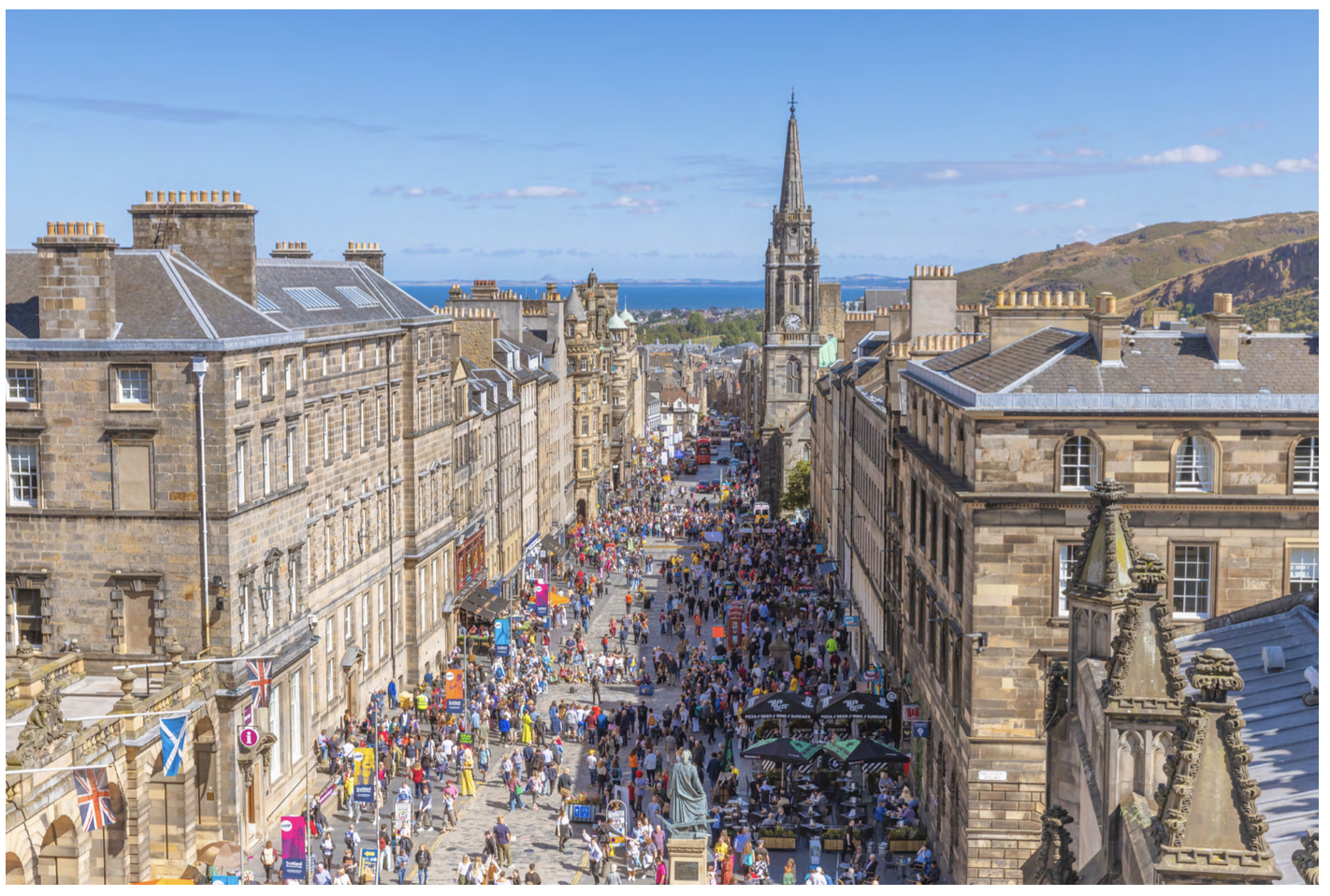
International Network Case Study 8 – Scotland House London
St Andrew’s Book Festival
Scotland House London reached new cultural heights by helping deliver London’s first Scottish literature festival, the St Andrew’s Book Festival. In collaboration with Scots in London,27 the festival created a new platform for Scottish writers to develop their careers within the UK’s literary hub and to showcase the diversity of Scotland’s contemporary literary scene.
The inaugural festival featured 46 Scottish or Scotland-based authors, including Sir Ian Rankin and Sir Alexander McCall Smith, across 34 events at three venues. Strong ticket sales led to a profitable first year, and with the second edition confirmed for late November 2025, the festival is poised to become a regular fixture in London’s cultural calendar.
Scotland House London began work on the festival nearly two years in advance, collaborating closely with diaspora partners and curators to shape, promote and deliver the event. Our contributions included:
- supporting author liaison and festival curation
- advising on sponsorship and promoting opportunities
- providing supporting statements for successful funding bids to Arts Council England and Creative Scotland
- leading a strategic communications campaign via newsletters, social media and partner networks
Scotland House London also hosted three events during the festival: a sold-out spoken word evening featuring leading Scottish poets, including former Makars Jackie Kay and Liz Lochhead; the Saltire Society Literary Awards Showcase highlighting three shortlisted authors for the First Book Award; and a St Andrew’s Day Reception, featuring Damian Barr reading from his upcoming book. This event served as the festival’s unofficial launch, engaging potential sponsors and cultural influencers.
Our involvement reflects the development of Scotland House London’s cultural affairs work, the strength of our partnership with the Scottish diaspora and the professionalism of our events and front of house teams.
Reflecting on the collaboration, Scots in London shared:
“The in-kind support received by offering us free event spaces for our Opening Gala and our Saltire First Book Awards event in conjunction with The Scotsman were vital to make these events possible. The expertise and networks of the staff at Scotland House were also invaluable resources in the planning, marketing and on-the-day delivery of our Festival programme. We were also honoured to be given a platform at the Scotland House St Andrew’s Day event and to connect with guests including the Cabinet Secretary for Constitution, External Affairs and Culture.”
Higher education and research
Scotland continues to strengthen its global presence in education by attracting students, staff and researchers from outside the UK. This effort not only enhances the diversity of our international student population but also ensures that these individuals are supported to make meaningful contributions to Scotland’s academic landscape.
Between December 2024 and May 2025, digital resources from the ‘Destination Scotland’ campaign were shared across social media platforms by UK Embassies and High Commissions in the USA, Canada, India, Malaysia, Brunei and Morocco. These efforts have helped raise awareness of Scotland as a premier destination for international education.
To further support international students, Scotland’s Migration Service (SMS) has been promoted at various events and meetings. A welcome reception for students with scholarships was held in Dundee in November 2024, providing an opportunity to highlight the support available to help students understand routes to continue studying or working in Scotland.
Scotland’s global educational, social and economic contributions have been amplified through strategic engagements and high level visits. For example, the Minister for Higher Education met with ASEAN ambassadors at Heriot-Watt University in November 2024 to promote Scotland’s higher education strengths. Similarly, the Consular Corps of Scotland visited Stirling University in March 2025 to understand the institution’s international ambitions, with a similar event held at City of Glasgow College in April.
International collaborations have also been strengthened through partnerships with organisations such as the British Council and the Connected Scotland initiative. These partnerships have enabled Scotland to promote its higher education offering at major global events, including the IC3 Conference in Delhi, India in August 2024 and the Going Global Conference in Abuja, Nigeria in October 2024.
Ministerial engagement has played a vital role in advancing Scotland’s international education and research agenda. A key example includes the Cabinet Secretary for Net Zero and Energy’s participation at COP29 in November 2024, where Scotland’s university partnerships with a focus on low-carbon innovation were featured.
We continued to build on Scotland’s ambitions as a world leader in university research. Activity included launching our International Collaboration Fund for 2024-25. The Fund supported 25 partnerships across 13 countries by strengthening research collaboration and capitalising on opportunities available through the Horizon Europe programme. In addition, we also supported engagements such as:
- delivering the Horizon Europe Roadshow Event attended by 200+ academic and stakeholder representatives to raise awareness of support to access the Horizon Europe programme
- supporting Networking Initiative Events hosted by SULSA and the German Research Foundation facilitated by our Berlin office and Connected Scotland, resulting in this fantastic opportunity to link German Universities of Applied Sciences and 13 Scottish (SULSA member) Universities in areas of mutual interest through health and environmental research
- ministerial engagement with the Lower Saxony-Scotland Joint Forum, and the Germany-Scotland U15 conference
International Strategy Case Study 8
Scottish Graduate Visa Proposal
Scotland is a welcoming and inclusive nation and we value everyone, no matter where they were born, who has chosen to make Scotland their home; to live, work, study, raise their families and build their lives here.
In January 2025, we announced our proposals for a ‘Scottish Graduate Visa’,28 which would give graduates of Scottish institutions a further two years on their visa to work towards qualifying for a Skilled Worker Visa, encouraging and enabling the best international talent to live and work in Scotland.
The UK Government’s consistent intent, most recently set out in a Home Office Immigration White Paper,29 is to reduce the duration of the existing UK-wide Graduate Visa from 24 months to 18 months. This clearly demonstrates that the UK Government’s approach to migration policy is not reflective of Scotland’s needs.
The key features of our proposed Scottish Graduate Visa would be:
- available to those already on a UK Graduate visa, allowing them to stay in Scotland for two years after their UK Graduate visa expires
- candidates need to have graduated from a Scottish institution, have lived in Scotland for “an appropriate amount of time”, and be intending to live and work in Scotland
- linked to a Scottish tax code. This would mean that a person graduating from a Scottish university could stay and work in Scotland without sponsorship for up to five years in total: two years on a UK Graduate visa (or three with a PhD) followed by two years on a Scottish Graduate visa
- if the person has completed both undergraduate and postgraduate studies in Scotland, it is possible that they could qualify for permanent residence purely on the basis of time spent in the UK on their Student and Graduate visas
International Network Case Study 9 – Germany
Academic Exchange and Research Cooperation with Germany
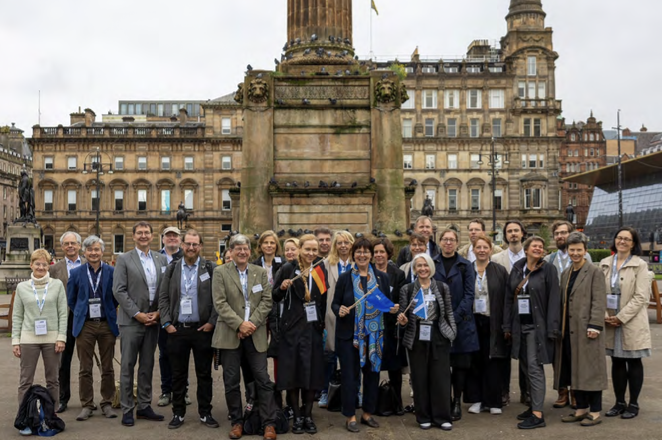
Scotland’s Higher Education sector is widely acknowledged as the crown jewel of Scotland’s soft power assets. Alumni from Scottish universities hold influential positions in business, media and politics in Germany, with many researchers from both nations collaborating on international research projects to address global challenges.
Scottish Government Germany actively promoted the new Scottish Education Exchange Programme and developed relationships with key academic and research organisations in Germany. These included the German Academic Exchange Service, the German Research Foundation and the Alexander von Humboldt Foundation. The aim was to facilitate partnerships with Scottish stakeholders and unlock funding opportunities for collaborative research.
Several notable outcomes were achieved which support the objectives of Scotland’s International Education Strategy. In September 2024, a Memorandum of Understanding (MoU) was signed between the Royal Society of Edinburgh and the German Academic Exchange Service, establishing a £100,000 bilateral research fund for projects co-funded by the Royal Society of Edinburgh, the German Academic Exchange and Scottish Government Germany.
In February 2025, another MoU was signed between the Royal Society of Edinburgh and the Lower Saxony Science Ministry, underpinning a £1 million joint research and innovation scheme for bilateral research projects.
Scotland’s partnership with Rhineland-Palatinate in education, culture, higher education and research also continued to develop over the year. A joint life sciences research scheme was co-funded by the Scottish Universities Life Sciences Alliance, Scottish Government Germany and the Science Ministry of Rhineland Palatinate. Now in its third year, the fund supports research collaboration and exchange opportunities for Early Career Researchers.
Further strengthening academic ties, a delegation of German Universities of Applied Sciences visited Scotland in September 2024, led by the Vice President of the German Research Foundation and supported by the Scottish Universities Life Sciences Alliance. The aim of the visit was to identify Scottish partners for collaborative research to address global health challenges. As a result, several emerging research partnerships have applied for international collaboration funding through the German Research Foundation.
Finally, also in September, the third annual joint conference hosted by Universities Scotland, the U15 (German equivalent of Russell Group) and Scottish Government Germany brought together academics from both countries in Leipzig. The event focused on excellence in digital teaching and learning and provided a platform for networking and knowledge exchange.
Knowledge exchange and partnerships
International Network Case Study 10 – Nordics
Learning from the Nordic Democratic Model
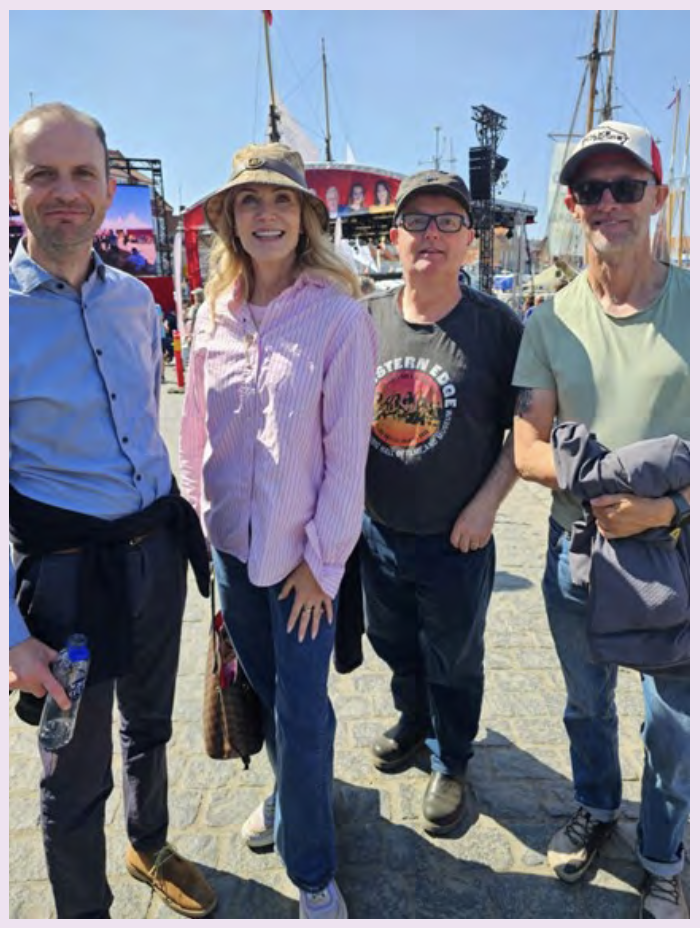
Scotland’s first-ever official presence at Folkemødet – Denmark’s annual democracy festival on the island of Bornholm – marked a milestone in our efforts to understand and engage with the democratic culture that underpins so much of Nordic social and economic success.
Often described as “Glastonbury for politics”, Folkemødet brings together 100,000 citizens, politicians, civil servants, youth representatives, trade unions, businesses, NGOs and media. Its purpose is simple but profound: to foster a culture of trust through open, informal and inclusive political dialogue. It is part of a wider ecosystem of ‘people’s meetings’ across the Nordic region, reflecting a deep societal commitment to deliberation, consensus, and social cohesion.
This year, the Scottish Government Nordic office led a first-of-its-kind delegation of Scottish politicians, think tanks and youth representatives to Folkemødet 2025. We aimed to immerse Scottish institutions in this unique model of participatory democracy and reflect on how it might inform our own democratic renewal. The visit enabled us to forge connections with organisers, political parties and civil society groups in Denmark and beyond, observe at first hand the institutional and cultural structures that sustain Nordic trust and consensus, and explore how democratic festivals can act as incubators for better policymaking and long-term societal resilience.
The trip forms part of the office’s wider project on “learning from Nordic systems of governance”, which takes as its starting point that it is not isolated policy interventions that make the Nordics successful, but a broader culture of consensus: decisions made through dialogue, by agreement, and underpinned by societal trust and shared responsibility.
By building relationships around this agenda, we are laying the foundations for deeper bilateral exchange on democratic innovation, from civic engagement to institutional design. The success of this initial engagement has already sparked early conversations about how a similar model could be piloted in Scotland, with strong interest from local stakeholders.
This work supports a broader shift in our international engagement, from showcasing policy outputs, to engaging with the cultural and institutional inputs that shape them, and ensuring Scotland is part of the wider European conversation about democracy, trust and inclusive governance.
International development
In the year that we mark the 20th anniversary of the Scottish Government’s international development programme, we have remained resolute in continuing to deliver on Scotland’s commitment to addressing poverty and inequality overseas.
“We will not turn our backs on those overseas who need assistance – keeping our promise to countries across the Global South to grow our international development budget to £15 million per annum and providing £1 million for humanitarian crises”.Programme for Government 2025-2630
We continue to champion this approach in line with our International Development Principles31 and with Scotland’s Feminist Approach to International Relations.32 We do this in two key ways: seeking to shift or equalise power with the Global South across our international development and humanitarian policies and programmes; and ensuring all our work contributes to advancing gender equality.
As set out in the International Strategy, working closely with our partner countries during 2024-25 we developed and launched new programming supported by the International Development Fund (IDF) across the key themes of health, education and equalities, alongside continued commitment to work on humanitarian response, and global citizenship. These programmes were backed with budgets of £12.5 million in 2024-25, and £12.8 million in 2025-26.
On health, we are playing an important role in improving care for people living with non-communicable diseases (NCDs) globally. These long-term conditions – such as diabetes, cancers, heart disease and mental health disorders – are now the leading cause of death and disability worldwide, responsible for 74% of global deaths, with the vast majority occurring in low- and middle-income countries. Despite this, NCDs remain the most underfunded area of global health. Following support on design of an NCDs programme33 we have now established new health programmes focused on NCDs in Malawi, Zambia and Rwanda.
Through multilateral channels, we have supported the UN Health4Life Fund, the first global pooled funding mechanism for NCDs and mental health. In 2024, Rwanda received funding to develop an integrated NCD and mental health care model in schools, workplaces and refugee settings, while Zambia’s funding is focused on youth mental health policy and early prevention. Both programmes are being delivered through multisectoral collaboration with strong national ownership.
Our work with partner countries supports the expansion of the World Health Organisation’s (WHO) Package of Essential NCD interventions (PEN) programme for primary-level NCD care.
- Scotland joined Malawi’s Health Services Joint Fund in 2025. Funding to date has supported construction of four new PEN-Plus clinics, supply of essential medicines, health worker training, and strengthened governance and monitoring systems
- in Zambia, two new PEN-Plus training centres are being established with the Centre for Infectious Disease Research in Zambia (see International Strategy case study 9)
- a three-year pilot is underway in Rwanda, led by Scotland’s international healthcare charity EMMS International, in collaboration with the University of Global Health Equity and the Rwanda Biomedical Centre, to test a gender-sensitive, community-based palliative care model, with the aim of informing national policy and improving access to holistic care
Building on the earlier success of the NHS Scotland Global Citizenship programme, which supports NHS staff to engage in health work around the world, we developed our Health Partnerships Programme34 which launched in July 2025.
International Strategy Case Study 9
Zambia Launches Operational Plan on NCDs
In Zambia, NCDs are becoming more common and now cause nearly 29% of all deaths across the country. Despite this, NCDs are still chronically underfunded and often sidelined in health planning. Many of these illnesses require complex care, which can be difficult for families to manage and puts pressure on already stretched health services.
Working with the Centre for Infectious Disease Research in Zambia, the Scottish Government is supporting the creation of two new training centres to teach more health workers how to care for people with these serious conditions. We have also seconded an expert to the Zambian Ministry of Health to help shape national policies that will improve how the country responds to NCDs.
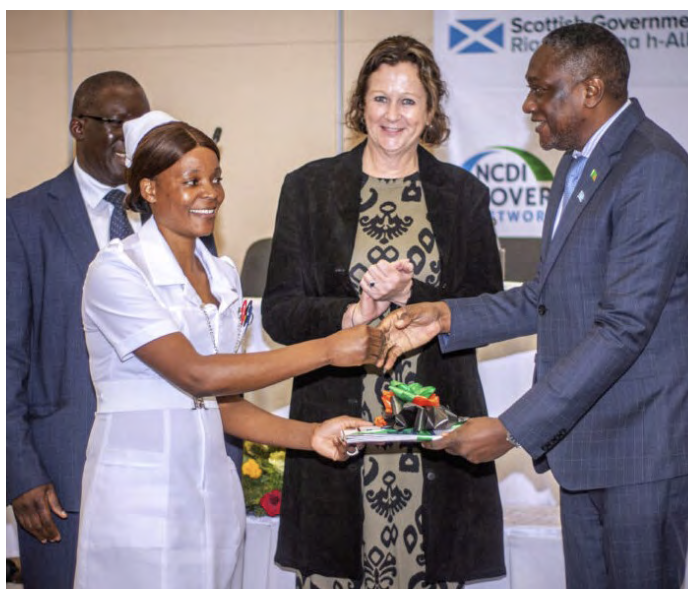
This support was key to the recent launch of Zambia’s PEN-Plus National Operational Plan and its new curriculum and treatment guidelines. Health Minister Dr Elijah Muchima called the plan a timely response to Zambia’s changing health needs, with NCDs rising alongside infectious diseases. He described it as a clear roadmap to improve access to care, train health workers, ensure essential medicines and equipment are available, and strengthen systems for tracking progress.
Launch of Zambia’s PEN-Plus Operational Plan Minister Muchima: “These actions will strengthen our national response to NCDs and help improve the health and lives of thousands of Zambians,” and “The plan not only aligns with the regional strategy but also accelerates its implementation at the national level. It ensures that our frontline health workers are equipped, trained, and supported to provide consistent, high-quality care, using standardised protocols, reliable medical supplies, and ongoing mentorship.”
In 2024-25 we invested in two multi-year education programmes in Malawi, Rwanda and Zambia, one on scholarships for girls, and the other on inclusive education for learners with disabilities.
We also contributed towards the World Bank Inclusive Education Policy Academy in Malawi and Zambia, which supports policy-makers in those countries to strengthen the inclusiveness of their education systems, and continued support for our recently-evaluated Pakistan Scholarships for Women and Girls scheme.35
International Strategy Case Study 10
Removing obstacles to Education for girls in Malawi
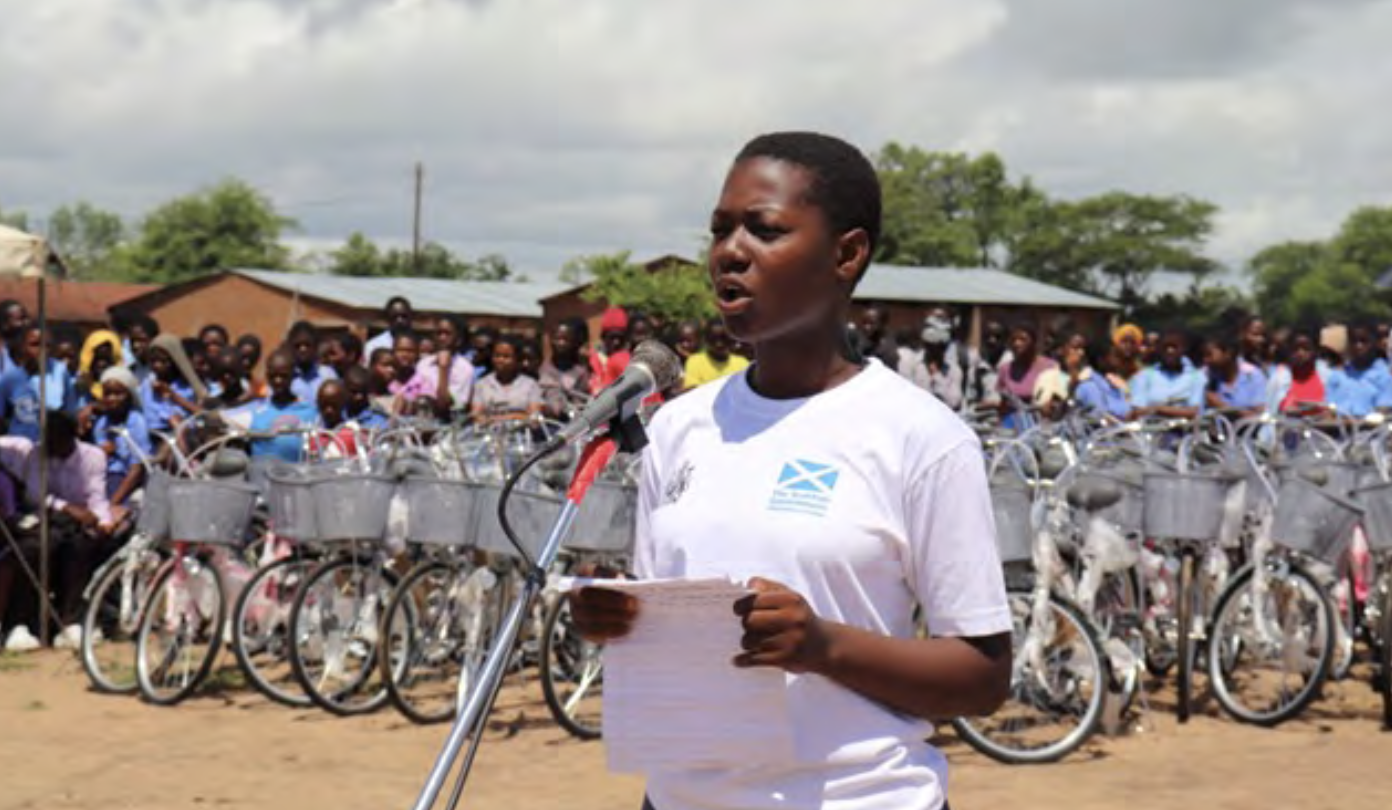
Following independent analysis concerning education needs in our partner countries,36 we worked closely with the governments of Malawi, Rwanda and Zambia, Oxfam and its local partners to create the ‘Girls’ Initiative for Resilient Learning and Support in Malawi, Rwanda and Zambia’. GIRLS-MRZ is now a multi-year programme (2024-29) which provides scholarships to help marginalised girls to attend and complete secondary school, taking into account the lingering impact of Covid-19 on national school systems. In Malawi, GIRLS-MRZ has, since 2024, been making a difference to secondary-age girls in the districts of Balaka and Machinga, with Oxfam working in partnership with the Malawian CSO Concerned Youth Organisation.
Alice was a form 2 learner at Liwonde Secondary School who had faced significant obstacles to attending school. These included travelling long distances to get to school, and a family whose income relied on piece-work, which meant that covering the costs of writing materials, a uniform or a school bag was a struggle. Alice’s grades suffered as a result.
But thanks to the provision of a bursary and a bicycle, Alice (pictured speaking about her experience) says she now has a greater chance to complete her studies and to improve her performance in class.
At the programme launch in 2024 in Lilongwe, Hon. Patricia Nangozo Kainga, MP, Deputy Minister of Foreign Affairs said: “Government believes in the power of collaboration. When we work together, we can achieve and ensure that access to education is available to all levels.”
To promote equalities through our development activity, we provided a new cycle of funding to Police Scotland for their peer-to-peer work with the Malawi and Zambia Police Forces for a programme tackling violence against women and children. Our new Women and Girls Fund was launched in March 2024,37 and is now providing funding directly to women and girl-led organisations in our partner countries (see International Strategy case study 11).
In designing and implementing all of our new development programmes, we recognised that inequality is a global challenge which impacts marginalised communities across the world. We are committed to continuing to work collaboratively to tackle inequality with our partners in Malawi, Rwanda, Zambia and Pakistan. We therefore consider the impacts of our international development programmes on marginalised groups, and are particularly focused on addressing gender and disability inequality. In alignment with this commitment, we are already implementing our gender equality mainstreaming approach,38 and have made first-time commitments on disability inclusion on the global stage, for example at the Global Disability Summit.
Underpinning our support for civil society and global citizenship in Scotland, we continued to provide core funding for our core networking bodies:
- Scotland Malawi Partnership
- Malawi Scotland Partnership
- Scotland’s International Development Alliance
- Scottish Fair Trade (see case study 12)
We have maintained our £1 million per year commitment through our standing Humanitarian Emergency Fund, and have provided additional support in response to humanitarian crises in Malawi, Zambia and Gaza. Our Humanitarian Emergency Fund Annual Report for 2024-25 was published in August.39 This followed the appointment of an independent contractor in January 2025 to conduct a review of our Humanitarian Funding to inform future responses, with the findings of that review to be published when complete.
Our new Scottish Peace Programme being delivered by Beyond Borders will develop Scotland’s unique offer as a Scottish Peace Platform40 to ensure we continue to play a constructive role in addressing global challenges. We also continued our work with Beyond Borders on the 1325 Women in Conflict Fellowships41 through 2024-25.
We also continued to invest in our Global Renewables Centre,42 through a collaborative partnership of Strathclyde University with the Renewable Energy Industries Association of Malawi, the Zambia Renewable Energy Agency and Rwanda’s Energy Private Developer’s Association.
International Strategy Case Study 11
Women and Girls Fund
In 2024, women and girl-led organisations (WGLOs) across Malawi, Zambia and Rwanda participated in the design of the Women and Girls Fund through workshops in each country which supported them to identify their priorities and design a fund which meets the needs of the WGLOs themselves.
Having concluded this highly participatory design process, funding cycles have now begun and the Women and Girls Fund is providing grant funding for priority activities selected by the WGLOS, including advocacy, capacity development and research. This will support WGLOs to advance gender equality through advocacy across a variety of thematic areas including tackling gender-based violence, women’s representation in decision making, and addressing inequality faced by disabled women and girls.
This fund is a key element of Scotland’s Feminist Approach to International Relations as it seeks to both advance gender equality and equalise power with the Global South by supporting women and girls in our partner countries to define and meet their own priorities.
One participant of the design workshop reflected, “What I appreciate about this project is that WGLOs are the designers of the fund. As small and young WGLOs, we have been given an opportunity to be part of the fund design process and to apply for the grant. Normally, large organizations are the ones considered, and they design the fund to their advantage, leaving small organizations out of the process.”
International Strategy Case Study 12
Fair Trade Nation Status Renewed
Scotland’s recent renewal of its Fair Trade Nation status in March 2025 is testament to the country’s commitment to, and leadership in, promoting the values of fairness, global solidarity and sustainability in trade. This achievement, first secured in 2013, reflects a nationwide effort encompassing government policy, community action, and public awareness.
Fair Trade has long been a core pillar of the Scottish Government’s approach to international development, demonstrated through sustained funding for Scottish Fair Trade43 since 2010, which coordinates a network of campaigners and organisations.
The tangible impact of this commitment is felt by producers in the Global South. For example, a delegation from the Rwenzori Sustainable Trade Centre in Uganda, a Fair Trade cooperative, visited Scotland to celebrate the renewal. The Centre produces goods like coffee and cocoa that are sold in Scotland, highlighting the direct link between Scottish consumers and the livelihoods of producers. This relationship exemplifies how fair and positive trade can empower communities and promote sustainable development.
With strong cross-party political support for Fair Trade (demonstrated during the Fair Trade debate led by the Cabinet Secretary for Constitution, External Affairs and Culture in March 2025), widespread public awareness (97% of the population44), and active engagement from local communities and businesses, Scotland’s case illustrates how a nation can translate its values into a coordinated and effective movement for global justice.