
Pesticide usage in Scotland: Outdoor Vegetable Crops 2025
This publication presents information from a survey of pesticide use on Outdoor Vegetable crops in Scotland in 2025.
General trends
Crop area
In 2025 the census area of outdoor vegetable crops grown in Scotland was 22,673 hectares. This represents a 6% increase in crop area from 2023 [3] and 3% increase from 2021[4]. Since the last survey, census areas of carrots increased by 8%, peas and beans by 8% and leaf brassicas by 4% (Figure 1). The overall area of turnips and swedes decreased by 4% and other vegetable crops by 1%. The increase in peas and beans is being driven by a 13% increase in the area of vining peas grown since 2023 as the area of broad beans has declined by 10% over the same period (Table 11 supporting document).
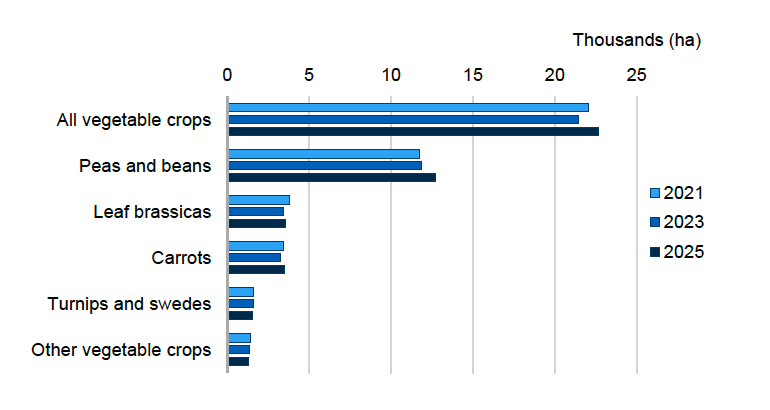
Figure 1 footnote: Source – June Agricultural Census. Areas do not include multi-cropping.
In 2025, peas and beans accounted for 56% of the vegetable crop area, leaf brassicas 16%, carrots 16%, turnips and swedes 7% and other vegetable crops 6% (Figure 2). For full details of census crop areas, see supporting documentation Table 11.
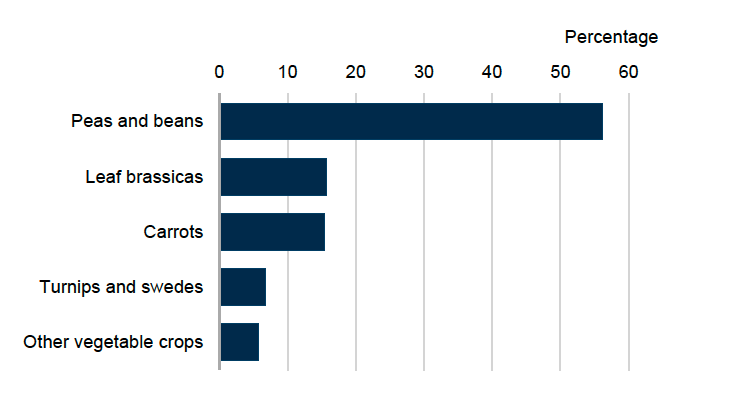
Figure 2 footnote: Areas do not include multi-cropping.
Estimated pesticide usage
In 2025, 93% of vegetable crops received a pesticide treatment, very similar to the 90% treated in 2023 and the 89% in 2021. The crops receiving the highest overall treatments proportionally were vining peas, brussels sprouts and calabrese and other brassicas (100, 99, 96 and 95% respectively, see supporting documentation Table 1). Turnips and swedes, cauliflower, carrots, and other vegetable crops had the lowest proportion of treated crop (91, 90, 84 and 78% treated respectively) (see Glossary and background notes for the list of crops included in the ‘other vegetable’ and ‘other brassica’ crop categories). The treated area of crops received on average 5.1 pesticide applications in 2025, very similar to the previous two surveys in 2023 and 2021. In 2025, the highest average number of applications were to Brussels sprouts with 17.2 and the lowest number were to vining peas at 2.6 applications.
The area of outdoor vegetables treated with a pesticide formulation was ca. 188,500 hectares in 2025 compared with ca. 166,100 hectares in 2023 and ca. 149,200 hectares in 2021 (Figure 3). This represents an increase of 13% since 2023 and an increase of 26% since 2021.
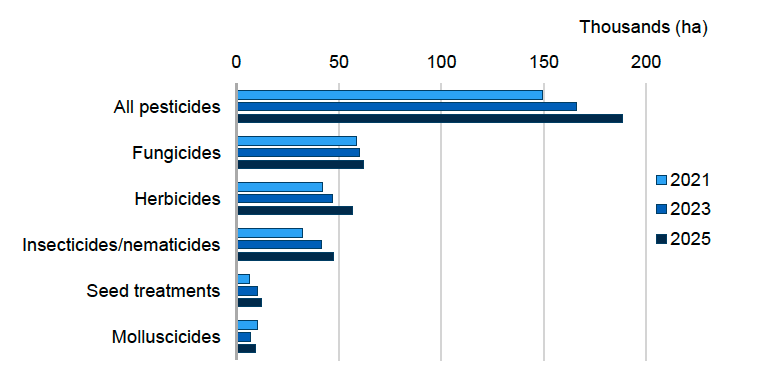
Figure 3 footnote: Sulphur, growth regulators, biopesticides and biological control agents have been excluded as their use represents < 1,500 hectares.
The weight of pesticide applied was ca. 64.9 tonnes in 2025, an increase of 7% from 2023 (ca. 60.6 tonnes) and an increase of 21% from 2021 (ca. 53.6 tonnes) (Figure 4).
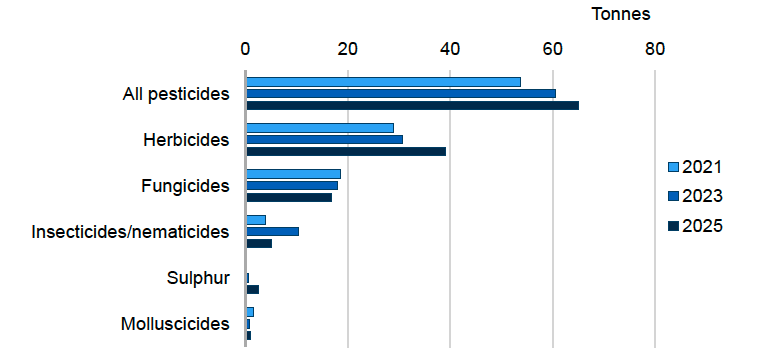
Figure 4 footnote: Growth regulators, seed treatments and biopesticides have been excluded as their use represents less than < 1 tonne in 2025. Invertebrate biological control agents are applied by number of organisms rather than weight therefore weight data are not presented (only encountered in 2023).
In order to make accurate comparisons between the 2025 data and those reported in previous surveys, it is important to take into account differences in crop areas between years. Therefore, the number of treated hectares per hectare of crop grown and the total weight of pesticide used per hectare of crop grown were calculated (see glossary and background notes for how this is calculated). In 2025, for each hectare of crop grown, 8.3 pesticide treated hectares were recorded (Figure 5). This represents an increase of 7% when compared to 2023 and an increase of 23% from 2021. The weight of pesticide applied per hectare of crop grown in 2025 was 2.9 kilograms (Figure 6). This is very similar to the 2.8 kilograms in 2023 and an increase of 18% from 2021.
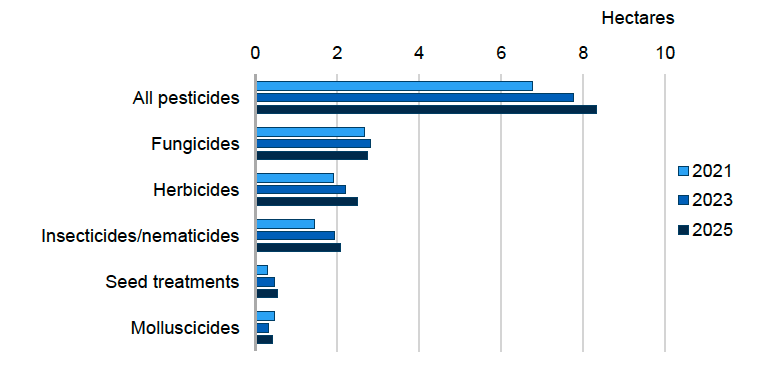
Figure 5 footnote: Sulphur, physical control, growth regulators, biopesticides and biological control agents have been excluded as their use represents < 0.1 treated hectares of crop grown.
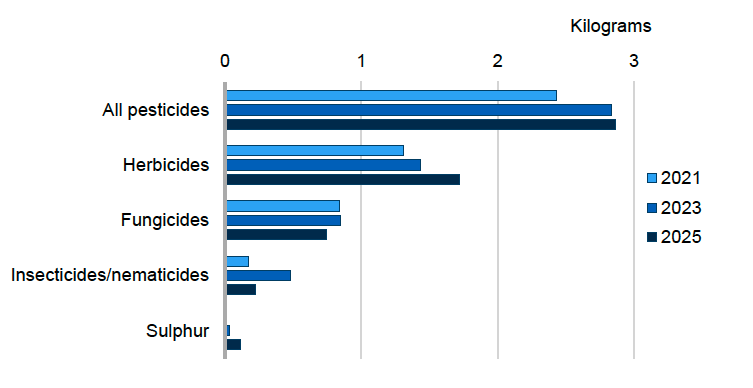
Figure 6 footnote: Molluscicides, growth regulators and biopesticides have been excluded as their use represents < 0.1 kilograms per hectare of crop. Invertebrate biological control agents are applied by number of organisms rather than weight therefore weight data are not presented (only encountered in 2023).
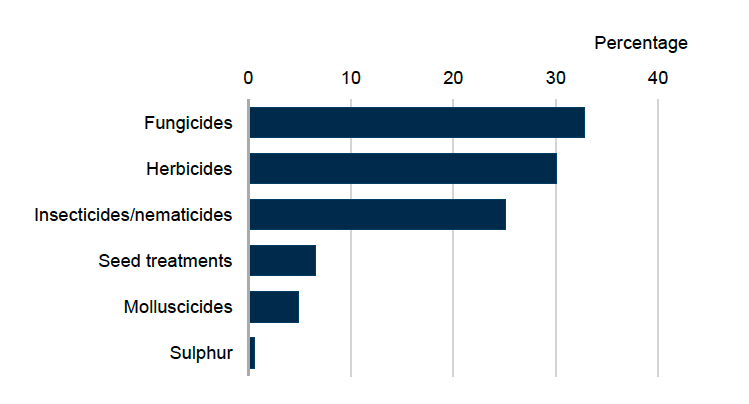
Figure 7 footnote: Growth regulators and biopesticides have been excluded as their use represents < 0.5% of area treated.
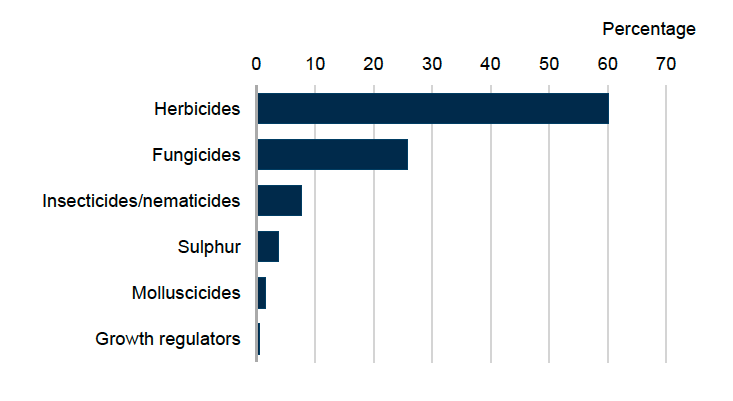
Figure 8 footnote: Seed treatments and biopesticides have been excluded as their use represents < 0.5 per cent of weight applied.
Fungicides
In 2025 and 2023, fungicides were the most frequently used pesticide by area treated on outdoor vegetable crops (Figure 7), followed by herbicides and insecticides/nematicides. Fungicides accounted for 33% of the total pesticide treated area and 26% of the total weight of pesticides applied (Figure 7 and 8). When changes in cropping area are taken into account, the area treated with fungicides decreased by 3% from 2023 to 2025 and increased by 3% from 2021 to 2025 (Figure 5). From 2023 to 2025, and from 2021 to 2025 there was a 12% decrease in the weight of fungicides used per hectare of crop grown (Figure 6). The principal fungicide mode of action on vegetable crops continues to be inhibition of respirations (this group includes Qo inhibitors and SDHIs, see supporting document Table 5).
Herbicides
In 2025, herbicides accounted for 30% of the total pesticide treated area and 60% of the total weight of pesticides applied (Figure 7 and 8). When changes in area are taken into account, there was a 14% increase in the area treated with herbicide formulations from 2023 to 2025 and a 32% increase from 2021 to 2025 (Figure 5). In terms of weight of pesticide applied, when area of crop is taken into account, there was a 20% increase from 2023 to 2025 and a 31% increase from 2021 to 2025 (Figure 6). There were large increases in the use of individual active substances such as bentazone, pyridate and dimethenamid-p, (220, 186 and 144% respectively, supporting document, Table 8). Bentazone was predominantly used on vining peas and dimethenamid-p on leafy brassicas. The area grown of these crops have increased since the previous survey. Pyridate was predominately used on Brussels sprouts. While the area of brussels sprouts grown has decreased 10% since 2023, the percentage of crop treated has increased from 6% in 2023 to 52% in 2025. Additionally, the number of applications of herbicide applied to Brussels sprouts increased from an average of 2.7 applications in 2023 to 3.4 applications in 2025. Inhibition of microtubule assembly continues to be the principal herbicide mode of action (see supporting document Table 6). This group includes pendimethalin, which was the most used active substance by area treated and weight applied on vegetable crops in Scotland in 2025 (Tables 8 and 9).
Insecticides/nematicides
Insecticides/nematicides accounted for 25% of the total pesticide treated area and 8% of the total weight of pesticides applied (Figure 7 and 8). When changes in area are taken into account, there was an 8% increase from 2023 to 2025 and a 44% increase from 2021 to 2025 (Figure 5). In terms of weight applied per hectare of crops grown, there was a 54% decrease from 2023 to 2025 and a 28% increase from 2021 to 2025 (Figure 6).
Pyrethroids remain the principal form of insect control employed in terms of area treated (see supporting document Table 7). Use of many insecticides increased compared to the previous survey, although use of the main pyrethroid lambda-cyhalothrin decreased by 16% from 2023 to 2025 (Table 8).
Two nematicides were encountered in 2025 as in 2023, fluopyram and garlic. Fluopyram can be used as both a nematicide and fungicide, however, all use in 2025 was as a nematicide. These two nematicides were applied to carrots only (supporting document Table 2). Nematicides account for 1% of the total insecticide/nematicide treated area and 48% of the weight applied. The use of both these nematicides decreased between 2023 and 2025 (Table 8). Garlic was the primary driver for decreased weight of insecticide/nematicide use between the last two surveys (Table 9), due to it being applied at high rates at sowing for the control of nematodes.
Seed treatments
All Brussels sprouts, calabrese and cauliflower crops surveyed were grown from transplants. 98% of other brassica crops and 9% of other vegetable crops were also grown from transplants. The rest of the crops were grown directly from seed. Of these crops, vining peas had the highest proportion of treated seed (79%) followed by carrots (65%) and other vegetable crops (64%) (Table 1). Seed treatments accounted for 7% of the total crop pesticide treated area and less than 1% of the total weight of pesticide applied (Figure 7 and 8). When changes of crop area are taken into account, there was a 15% increase in area treated with seed treatments from 2023 to 2025 and a 92% increase from 2021 to 2025 (Table 5). The weight of seed treatments applied per hectare of crop grown increased by 44% from 2023 to 2025 and decreased by 66% from 2021 to 2025 (Figure 6). Fludioxonil and metalaxyl-M were the only recorded seed treatments in this survey; fludioxonil was the only seed treatment encountered in the previous survey. Fludioxonil is applied as a seed treatment to carrots, peas and beans. An approval for the product Prepper, containing fludioxonil, on peas and beans drove the increase in seed treatment use between 2021 and 2023. Increases in the area of vining peas and carrots grown has increased the use of fludioxonil between 2023 and 2025. An emergency authorisation was issued in January 2025 for the use of Apron XL containing metalaxyl-m as a seed treatment for use on carrot seed for the control of damping off.
Molluscicides
Molluscicides accounted for 5% of the total pesticide treated area and 2% of weight (Figure 7 and 8). When changes in crop area are taken into account, there was a 23% increase between 2023 and 2025 and a decrease of 14% since 2021 and 2023 (Figure 5). The weight of molluscicides applied per hectare of crop grown has increased by 25% since 2023 and decreased by 37% since 2021 (Figure 6). Molluscicide use varies significantly from year to year as slug populations are closely linked to climatic conditions. Ferric phosphate was the only molluscicide encountered in this survey.
Sulphur
Sulphur accounted for less than 1% (ca. 1,000 hectares) of the total area treated and 4% of the total weight of pesticides applied to vegetable crops. Sulphur has dual use as both a fertiliser and a fungicidal treatment and is permissible in both non-organic and organic systems. In 2025, sulphur was applied to vining peas, carrots and turnips and swedes (9%, 3% and 2% respectively). In 2023, sulphur was applied to less than 1% (ca. 570 hectares) of brassica crops. No sulphur was encountered during the 2021 survey.
Biopesticides/biological control agents
Biopesticides were encountered in this survey, but their use represents less than 1% of the total pesticide treated area and weight applied. No biological control agents were encountered in 2025. Aureobasidium pullulans was the only recorded biopesticide in 2025, applied to carrots (ca. 22 hectares). No biopesticides were recorded in 2023, however, the biological control agent phasmarhabditis hermaphrodita for slug control was encountered and applied to Brussels sprouts (ca. 49 hectares). No biopesticides or biological control agents were encountered in the 2021 survey.
Notable changes to individual active substances
As well as changes in overall trends in application of pesticide groups since the previous survey, there has been variation in the use of individual active substances. The insecticide flupyradifurone and the biopesticide aureobasidium pullulans were recorded for the first time on outdoor vegetable crops in this survey (supporting document Table 4). The use of fungicides fluopicolide and propamocarb hydrochloride (formulated together) increased by 1,746% in terms of area treated and weight applied. The fungicide fluxapyroxad increased by 617% in terms of area treated and 621% in terms of weight applied. As discussed above, there were also increases in the use of several herbicide active substances such as bentazone, pyridate and dimethenamid-p, and which increased by 220, 186 and 144%, respectively in terms of area treated. In contrast, the use of garlic, used as a nematicide, decreased by 71% in terms of area treated and weight applied.
In terms of area treated, the most used active substance in 2025 was the herbicide pendimethalin applied to ca. 19,500 ha, a 20% increase compared with 2023. The most used fungicide was fludioxonil applied as both a foliar fungicide and a seed treatment on ca. 16,000 treated hectares, a decrease of 14% since 2023. Fludioxonil was the most used active substance in the previous survey. Lambda-cyhalothrin remains the most used insecticide applied to ca. 12,800 ha.
Contact
Email: psu@sasa.gov.scot