
Building standards: performance framework for verifiers - 1 April 2026
Key performance outcomes used to monitor the work of building standards local authority verifiers. This framework is effective from 1 April 2026.
1. Introduction
1.1 The building standards system in Scotland was established by the Building (Scotland) Act 2003. The system is intended to protect the public interest by setting out the standards to be met when building work or a conversion takes place, to the extent necessary to meet the building regulations. The public interest is a critical success factor in terms of ensuring compliance with regulations and, above all, keeping the public safe.
The objectives contained in the 2003 Act are:
- To secure the health, safety, welfare and convenience of persons in and about buildings and others who may be affected by buildings or matters connected with buildings
- Furthering the conservation of fuel and power
- Furthering the achievement of sustainable development
Appointment of verifiers
Scottish Ministers appoint verifiers and considerations for their appointment include qualifications, competence, accountability to the public and impartiality. At present the 32 Scottish local authorities (LAs) are appointed for their own geographical area.
Verifiers provide independent checking of building work at design and construction stages. Their main functions are granting building warrants and accepting completion certificates.
Verifiers must meet the requirements of the national performance framework as part of their terms and conditions of appointment.
National performance framework
The national building standards performance framework for verifiers was introduced in May 2012 and has been measurable since October 2012. It applies to applications for building warrants and amendments to building warrants received on or after that date. It was developed by BSD and supported by Local Authority Building Standards Scotland (LABSS).
It seeks to address a wide range of actions and behaviours which, between them, demonstrate a strong customer- focused service, balanced with compliance of regulatory requirements. It allows the assessment of building standards performance over a range of national objectives.
The national performance framework has built on previous achievements and aims to improve levels of customer engagement and compliance with the building regulations, particularly during construction. The framework is supported by a Building Standards Annual Report, continuous improvement plans and a range of Key Performance Outcomes (KPOs) (five in total).
Purpose and review
The purpose of the framework is to provide a consistent method for measuring performance of verifiers against an agreed set of national targets.
The framework sets out common aims provided for each outcome which might include one or more of:
- Information to inform the public to meet the impartiality and accountability needs of a verifier and demonstrate value for money
- Information for Scottish Government in relation to the appointment of verifiers, performance levels and national trends
- Information for verifiers in relation to the day-to-day operation of their building standards service
KPOs and associated data collections should be reviewed every three years to ensure they remain fit for purpose and to maintain continuous improvement.
The structure of the framework (Fig 1) is based on the three core perspectives:
- Professional Competency and Operational Processes
- Quality Customer Experience
- Financial Integrity
Each core perspective is supplemented by three cross-cutting themes:
- Public Interest
- Continuous Improvement
- Partnership Working
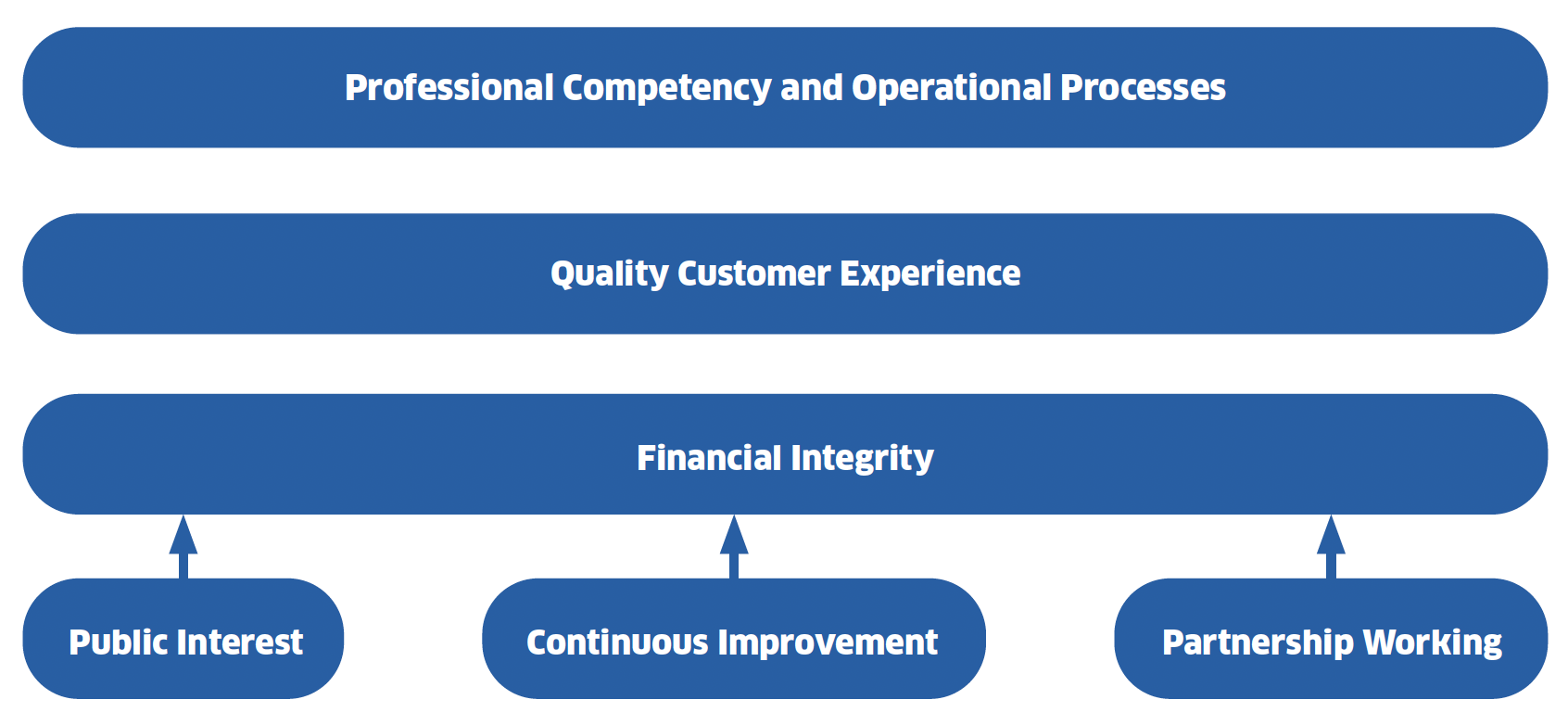
Figure 1: Summary of the National Performance Framework:
Professional Expertise and Technical Processes
Quality Customer Experience
Operational and Financial Efficiency
- Public Interest
- Continuous Improvement
- Partnership Working
Contact
Email: buildingstandards@gov.scot