
Planning and Environmental Appeals Division: annual review 2024 to 2025
Planning and Environmental Appeals Division's (DPEA) annual review of its performance for 2024 to 2025.
What We Have Achieved
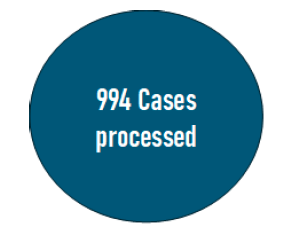
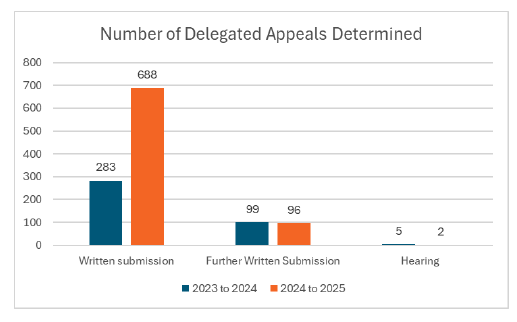
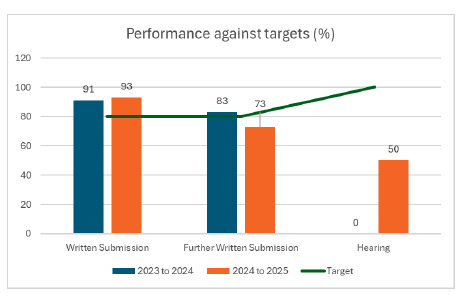
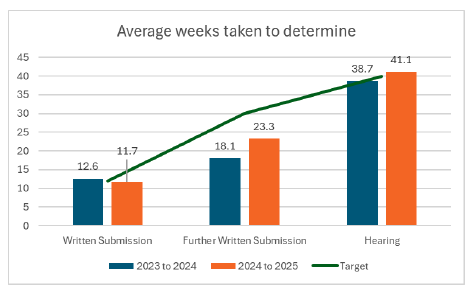
The visualisations above show total cases processed during this review period and our performance for these cases.
The number of cases we have processed this year has increased from 623 cases in the previous reporting year to 994 cases this year. We have exceeded our targets on cases decided by Written submissions and continue to perform at a high level even with the increase in cases.
There were no appeals determined by inquiry and fewer appeals determined by hearing compared to last year, for more detail on these matters please see performance against our targets.
We continue to recognise that to improve the quality and speed of our decision making we need to remain focused on continuous improvement and enhance the support systems we have in place for all reporters to broaden and deepen their skills.
Planning And Other Appeals
The Scottish Government places great emphasis on the importance of a modern planning service to stimulate sustainable economic growth and to encourage investment in Scotland. One of the key objectives of planning reform was to remove unnecessary delays and to speed up decisions on planning applications and appeals.
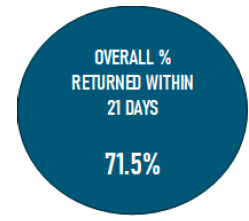
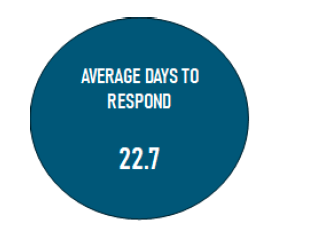
As part of these reforms planning authorities are expected to submit a completed Planning Authority Response Form (PARF) within 21 days of receipt of a valid planning related appeal. We monitor the performance of the planning authorities in meeting this target and engage regularly with any that are consistently underperforming and causing delays in our ability to reach decisions on such appeals. For further information on individual planning authorities performance please refer to Appendix A Table 9.
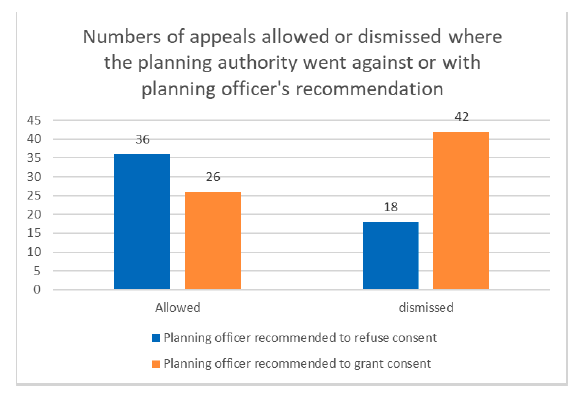
For planning appeals where the planning authority had refused an application against their planning officer’s recommendation to grant consent, 26 appeals were allowed and 42 were dismissed. Where they had gone with their planning officer’s recommendation to refuse consent, 36 appeals were allowed and 18 appeals were dismissed.
Housing Appeals
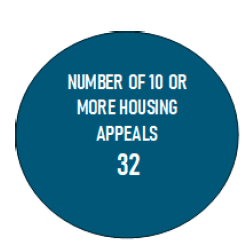
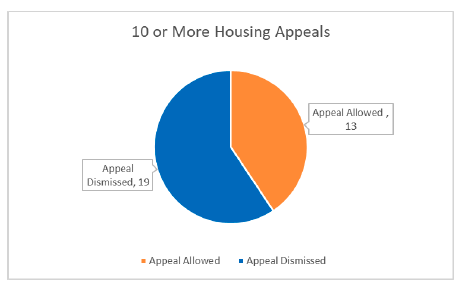
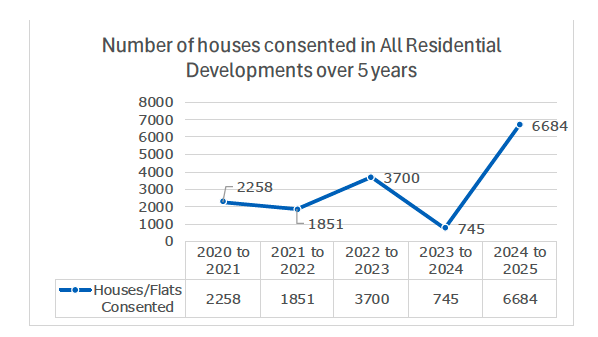
DPEA publish weekly statistics on all developments with 10 or more houses. The number of housing appeals concerning 10 or more houses has increased from 26 in the previous reporting period, with more than half of the decided housing appeals being dismissed.
Case Study: Mossend Housing
The Mossend housing appeal (reference PPA-400-2147) illustrates how policy and legal change and resulting issues of policy interpretation can have an impact not only on the progress of a particular case, but also on DPEA’s workload and on the progress of other appeals.
The Mossend site is just outside West Calder in West Lothian. It was not allocated in the local development plan (LDP) for housing. Permission was sought in principle for a development of about 250 houses.
At the outset of the appeal (submitted 1 August 2022), the now-superseded Scottish Planning Policy (SPP) was still in force. SPP included policy that required maintenance of a five-year effective-housing-land supply. It made provision for exceptional approval of housing on unallocated land if a five-year supply was not available. Initial written submissions in the appeal and the subsequent hearing dealt with the question of whether there was a five-year effective-housing-land supply in West Lothian.
However, before the reporter could determine the appeal, the Fourth National Planning Framework (NPF4) came into effect (on 13 February 2023). As a result of changes made by the Planning (Scotland) Act 2019, NPF4 became part of the development plan against which development proposals are to be assessed. It was the first national planning policy to have that status. The new legal arrangements provided that where there is an incompatibility between a provision of the national planning framework and the local development plan, whichever is the later in date prevails.
In NPF4 the Government decided to change housing policy. It removed the requirement to maintain a five-year land supply and related policy providing for exceptional approval of housing on unallocated sites. However, West Lothian’s LDP itself included a policy for exceptional grant of permission for housing development on unallocated sites if there was a shortfall in the five-year effective-housing-land supply.
The question that arose between the planning authority and the appellant was whether the new NPF4 housing policy applied from the date of NPF4’s publication by Ministers, or only applied from the time of adoption of a new local development plan. If it applied from publication, then the NPF4 housing policy was incompatible with that in the LDP, and NPF4’s policy would prevail. If not, then the LDP policy would apply. There was nothing express in NPF4 to resolve this issue. The appellant obtained counsel’s opinion that the latter was the correct interpretation.
The issues of interpretation raised were important for two reasons: first, because of NPF4’s status as part of each planning authority’s development plan by which all planning decisions, large or small, are guided, and second because of NPF4’s national effect. A number of appellants in a similar position in other appeal cases – seeking permission for housing on unallocated sites – also referred to counsel’s opinion in the Mossend case. Given the importance of the issue, Ministers decided to call in the Mossend case. Other appeal cases where the same issue arose were sisted (postponed) until Ministers had decided the issue in dealing with the Mossend case.
The reporter for the Mossend case reported to Ministers giving the opinion that the new NPF4 housing policy applied from the time of NPF4’s publication, and Ministers in their decision (issued on 19 July 2023) took the same view. The appellant challenged Ministers’ decision in court, on the basis that their policy interpretaiton was incorrect. Consequently all the cases that had been sisted for Ministers’ decision on Mossend remained sisted until the court had determined the challenge.
Ultimately the court rejected the challenge (in the decision Miller Homes Ltd. v Scottish Ministers [2024] CSIH 11 issued on 3 May 2024) and Ministers’ decision stood.
At that point, reporters had to return to the appeals that had been sisted. This had its own challenges. It created a spike of work for DPEA. Reporters also had to invite new submissions in these cases, both to address any relevant change of circumstances since they had been sisted and to address how the reasoning in the Mossend decision was to be applied. Submissions made by appellants tended to be along similar lines: suggesting that there would be a shortfall in housing land if no policy mechanism for exceptional grant of permission on unallocated land was available, and that this was a material consideration.
In order to deal with these case expediently, the decision was taken to release the bulk of decisions on these post-Mossend appeals on the same day. Thirteen appeal decisions were released on 16 October 2024. The reporters in those cases generally took the view that, following publication of NPF4, a shortfall in availability of housing land was a matter usually to be addressed in the development-planning process, not in individual appeals. One of the appeals was granted but the rest were dismissed.
As a result of the process of testing the interpretation of the new policy, one of these appeals had been in the system for over two years (though most had arrived during the process and so took less time to reach their conclusion).
Multi-Turbine Appeals
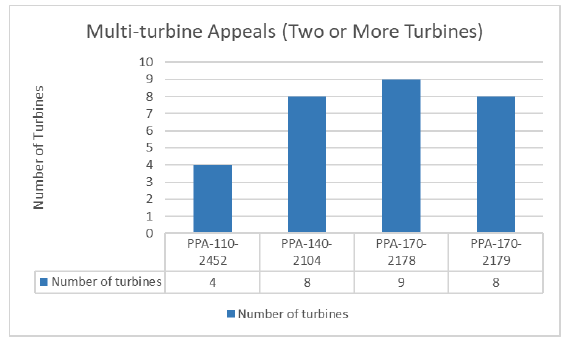
DPEA publish weekly statistics on all Wind Turbine appeal decisions. In the 2024 to 2025 review period 4 multi-turbine appeals had decisions issued, all of which were allowed, with DPEA reporters granting planning permission for 146 MW of output.
Recalled Appeals and Called-in Planning Applications
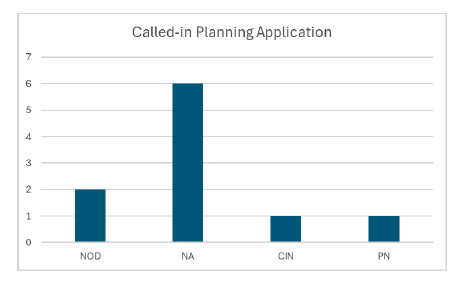
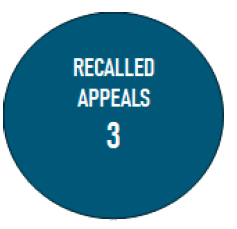
Reports were submitted to Scottish Ministers for 3 appeals that had been recalled for their consideration. A total of 10 reports for called-in planning applications were also submitted to Scottish ministers, there were a mixture of Notification Directions, Notified Applications, Called-in applications and Purchase Notices.
Planning Obligation Appeals
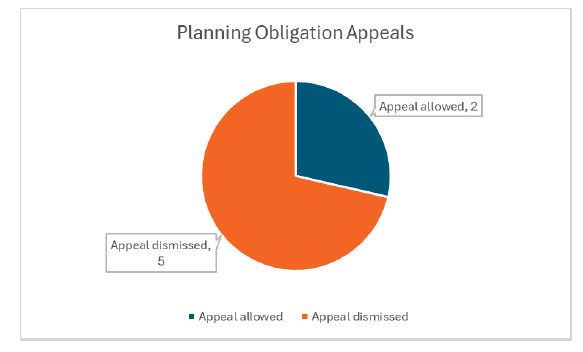
Decisions were issued for seven planning obligation appeals in 2024 to 2025; this is a decrease from the nineteen decisions issued for planning obligation appeals in 2023 to 2024.
Gate Check and Local Development Plan Examinations (LDP)
No LDP’s have been received for examination in the review period, with planning authorities being focussed on preparation and submission to DPEA of LDP Evidence reports.
The evidence report is a first step in the process of preparing a local development plan (LDP). Preparation of the LDP can only proceed once cleared, as sufficient, by a reporter through a process known as gate check. If not assessed as sufficient the report is returned to the planning authority for revision prior to resubmission.
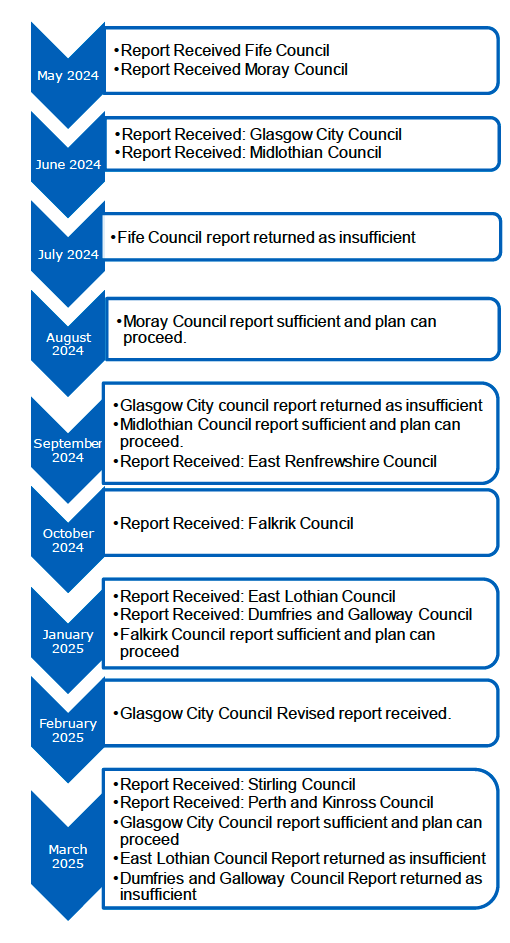
May 2024
- Report Received Fife Council
- Report Received Moray Council
June 2024
- Report Received: Glasgow City Council
- Report Received: Midlothian Council
July 2024
- Fife Council report returned as insufficient
August 2024
- Moray Council report sufficient and plan can proceed.
September 2024
- Glasgow City council report returned as insufficient
- Midlothian Council report sufficient and plan can proceed.
- Report Received: East Renfrewshire Council
October 2024
- Report Received: Falkrik Council
January 2025
- Report Received: East Lothian Council
- Report Received: Dumfries and Galloway Council
- Falkirk Council report sufficient and plan can proceed
February 2025
- Glasgow City Council Revised report received.
March 2025
- Report Received: Stirling Council
- Report Received: Perth and Kinross Council
- Glasgow City Council report sufficient and plan can proceed
- East Lothian Council Report returned as insufficient
- Dumfries and Galloway Council Report returned as insufficient
After active engagement with the 32 local authorities and 2 national parks; with the introduction of guidance notes; training schedules and an open-door policy to assist, DPEA received their first Evidence Report on 3rd May 2024.
To date DPEA has received Evidence Reports from eleven planning authorities. Of these 4 have been assessed as sufficient, 4 insufficient and three are ongoing. Of the 4 found to be insufficient one has since passed through Gate Check, one is expected soon and a further two are currently being revised for re-submission.
Gate Check timeline to date May 2024 to April 2025.
To date the Gate Check process has been completed within our 3-month self-imposed target date. Forward forecasting indicates it may be more difficult to maintain this turnaround time given the number of submissions and re-submissions expected in 2025 to 2026.
Clear timescales from authorities will help us plan as efficiently as possible for the expected upturn in this aspect of our casework. In addition, planning authorities still working on Evidence Reports are advised to carefully consider decision notices issued to date, including recommendations and advisories. This should enable a reduction in the future time and resource implications for reporters, planning authorities and for others involved in the process.
With the work that has been completed in implementing this new process, case officers are finding the process for submission smooth and the introduction of hyperlinked documents ensures that the information is uploaded to CMS quickly, being made available to the public a lot sooner.
Case Study: Glasgow Evidence Report
The Evidence Report was received on 27 June 2024. In advance of that the authority engaged with our casework team on the format of the report and the management of the associated documents.
Whilst the report addressed a lot of evidence well, the Evidence Report was returned to Glasgow City Council on 19 September 2024. It was found to be insufficient as it lacked a clear enough explanation of the future local housing land requirement, how the views of others were considered and how infrastructure matters were to be addressed. There were also some difficulties in distinguishing important conclusions on the planning authority’s view of the evidence from its background reports and data.
The report was revised and returned to Gate Check on 25 February 2025. The authority helpfully set out exactly how and where it had addressed the reporter’s recommendations. This enabled a quick turnaround where the reporter was able to focus on these matters rather than revisiting the whole report. A positive decision was then issued on 3 April 2025
The reporter commented that it was now clear enough which elements of the submission formed the evidence report, who was involved and when, how the housing land requirement was derived following evidence based on National Planning Framework 4. The explanation of the evidence to support an Infrastructure First Approach was also now considered to be sufficient.
Reflecting on practice for other pass letters the reporter set out some remaining advisories. It is hoped these will assist by ensuring that any potential gaps in evidence are addressed prior to publication of the proposed plan and any subsequent Local Development Plan Examination.
This case study reflects the intention that even where matters of insufficiency are identified these can be addressed in a focussed way whilst avoiding significant delay.
Other Casework
DPEA deals with a wide variety of non-planning casework including inquiries held under the Electricity Act and inquiries into Roads Orders and Compulsory Purchase Orders. These casework types tend to be very resource-intensive for DPEA, both in terms of reporter and caseworker commitment, and remain a focus of efficiency initiatives.
We also have responsibility for determining environmental appeals made to Scottish Ministers against decisions made by SEPA in relation to the control and prevention of pollution, water quality and waste management.
Statistics giving the volume and breakdown of casework are in tables 1 to 3 of Appendix A to this report.
Electricity Act Cases
Applications to construct or vary electricity generating stations (including onshore wind farms) with a capacity of more than 50 megawatts are made to the Scottish Ministers under section 36 and 36C of the Electricity Act 1989. Scottish Ministers also deal with applications to construct overhead electric power lines (section 37) and, where these cannot be agreed, applications for any necessary wayleaves over land for the purpose of constructing or maintaining access to power lines.
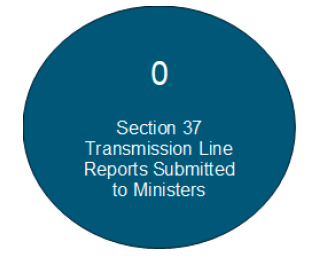
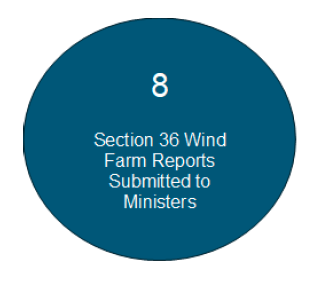
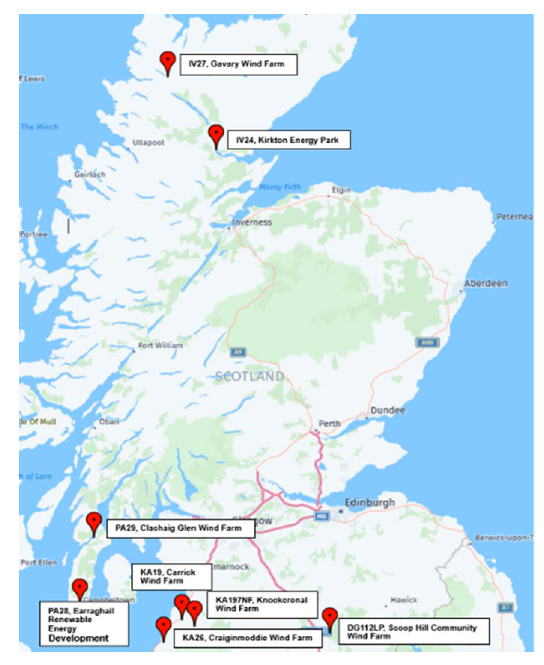
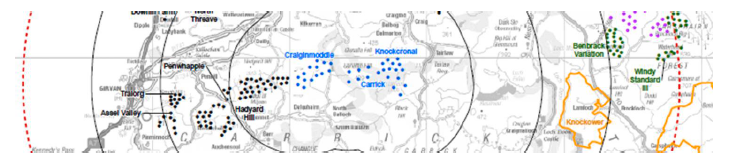
There were no Section 37 reports submitted to Minister’s in this review period but 8 Section 36 Wind Farm reports submitted, locations of these can be found on the map below.
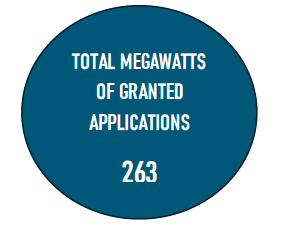
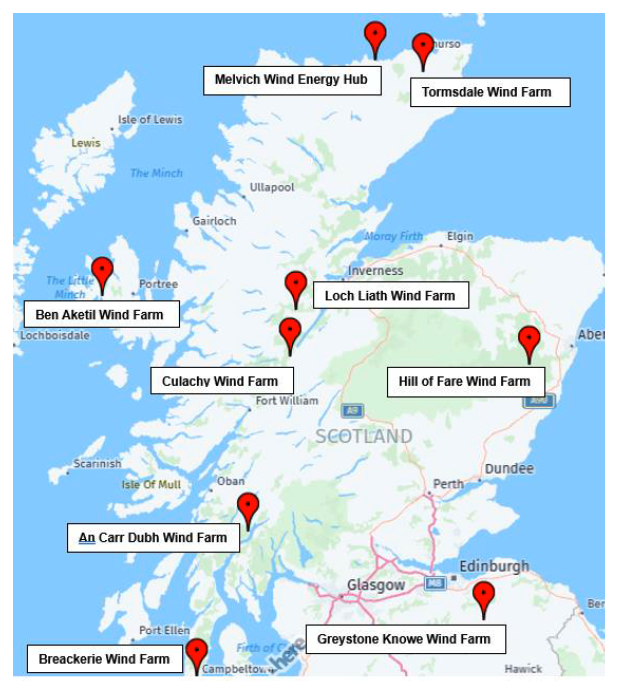
Decisions issued by Scottish Ministers this year following a reporter’s report and recommendation to grant consent totalled 263 MW of output. At the end of this review period there were 9 Section 36 Wind Farm applications in hand, locations of these can be found on the map below.

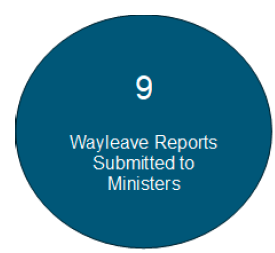
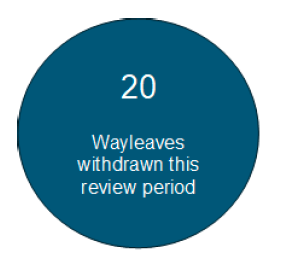
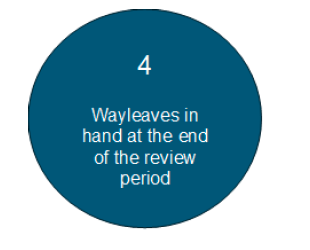
The numbers below show number of Wayleave reports submitted, Wayleaves withdrawn this review period and the number in hand at the end of the review period.
Case Study: Conjoined Section 36 applications
During the summer and autumn of 2022, DPEA received three adjacent Section 36 applications for wind farms in South Ayrshire at Craiginmoddie, Carrick and Knockcronal. This presented a significant resourcing challenge, not just for DPEA but also for South Ayrshire Council and a number of interested bodies and individuals. Given the common geography, a number of potential common issues and many common parties, conjoining the three cases was considered the most effective approach. Three reporters were jointly appointed to consider the applications and provide three individual reports to Ministers.
At an early stage, we established effective administrative processes to support the scale and complexity of the task, including a shared mailbox for communications and the submission of documents through a shared area in Objective. This allowed for quick recording and viewing of documents.
With the collaboration of the applicants and interested parties, we developed a substantial programme of virtual and in-person oral sessions, avoiding duplication by allowing some common issues to be considered together. The programme included:
- three case-specific inquiry sessions on landscape and visual impact, one for each application, with two in-person and one virtual;
- a combined virtual inquiry session on aviation, focused on two of the applications;
- two case-specific virtual hearings on private water supplies and peat management;
- four combined virtual hearings on policy, transport, noise and conditions; and
- a combined in-person community hearing, focused on the participation of local residents and groups.
We also completed a large schedule of unaccompanied and accompanied site visits. With many viewpoints and affected residential properties shared across the three applications, the schedule avoided unnecessary duplication. The applicants brought together the draft conditions for each application into a single document, allowing all parties to identify common issues and responses. This aided reporters in effectively assessing the draft conditions and identifying key issues to Ministers.
Considering three Section 36 wind farm applications in the same location at the same time gave rise to a number of logistical challenges, including delays outwith the reporters’ control. However, with the cooperation of the applicants, council and interested parties, DPEA was able to effectively address a number of related issues and ensure consistency of procedures and outputs. Importantly, DPEA was able to deliver three reports to Ministers at the same time in July 2024.
Short Term Lets
During this review period, planning authorities in Scotland have been dealing with an exceptionally high number of certificate of lawful use applications where the right to appeal a refusal is to Scottish Ministers and were handled by DPEA. This resulted in a significant increase of appeals received by DPEA.
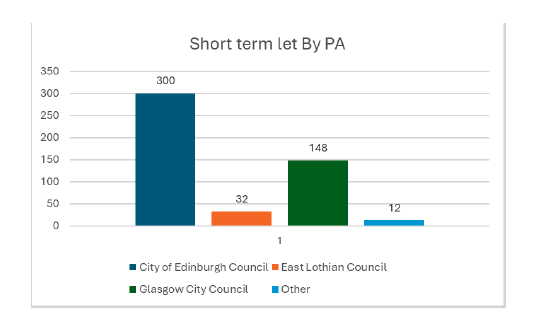
Those short term let appeals were received primarily from the City of Edinburgh planning authority area but we also received much higher than usual numbers Scotland Wide including from the City of Glasgow Council and East Lothian.
Please refer to Table 3 in Appendix A for the number of cases throughout the last 5 years.
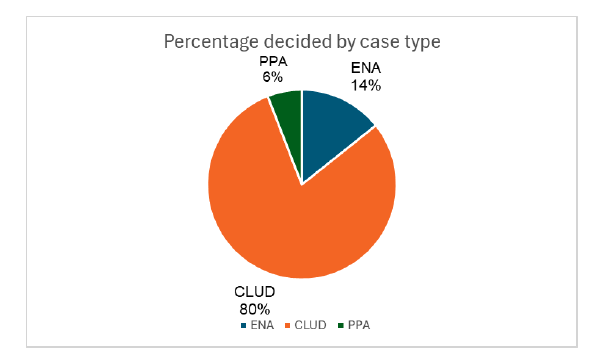
Most short term let appeal cases relate to applications for Certificates of Lawful use, there has also been several enforcement appeal cases and to a lesser extent planning application appeals.
Administrative Case study
Preparation for instilling best administrative practices in anticipation of high volumes of cases
The challenge
DPEA has no option not to deal with any casework that it receives – all of which is of a statutory nature. Our aims were to:
- Avoid congestion from high volumes of incoming workflows from Short term let appeals taking into account a further cumulative impact of other increased workflows such as Electricity Act applications, housing appeals and Evidence reports for Gate Checks.
- Maintain accuracy, consistency and efficiency across all casework processes contributing to efficiency and certainty in planning appeals.
- Avoid backlogs which may be difficult to address.
- Avoid reputational damage
Key Solutions:
We worked collaboratively with planning authorities and agents gauging anticipated numbers, submission deadlines and likely volumes of accompanying documentation to allow us to prepare and allocate resource at the time where available.
We maintained and increased effective communication within our team of case workers establishing expectations and roles, seeking their views and ideas for solutions for potential obstacles.
Some of the team’s ideas included the use of bulk document uploading facilities, regular group chats and suggestions, simple standard wording in reminders and standard naming of documents and other practices to see briefly where cases had reached and what next steps were required.
We established good practice procedures in processing documentation, sharing and cascading that guidance to all to ensure consistency of practice and top tips which arose as appeals were received.
Internal training has been undertaken to ensure efficiency and consistency in decision making whilst addressing the nuances of each individual case. Reporters have sought to adopt a proportionate approach.
The submissions and type of evidence received from appellants and planning authorities has been variable, however it has mostly been sufficient to allow the appeal to be determined without any further procedure. Each case is considered on its own merits taking account of the circumstances that apply.
Reporters have only undertaken in-person site inspections where this has been necessary. In certificate of lawfulness and enforcement short term let cases, the nature of those appeals is such that there is no consideration of the planning merits of the case. In addition, the appeal submissions and online mapping and imagery normally enable the reporter to give full and proper consideration to the case.
Further written submissions have only been sought where this has been considered essential for the reporter to determine the appeal. In most CLUD and ENA cases the reporter has determined the appeal based on the submissions received, bearing in mind that Circular 10/2009 “Planning Enforcement”, states that the onus is on the applicant to demonstrate, on the balance of probability, an entitlement to a certificate of lawfulness.
We managed the expectations of our customers by publishing via various means our current position and notifying them that we may take a little longer to process documentation. We maintained our case website updates across all cases.
DPEA was able to effectively progress the volumes received, without significant backlog, the key areas being communication and collaboration enabling the delivery of a good standard of output across both short term let and wider cases.
Other Reports and Decisions
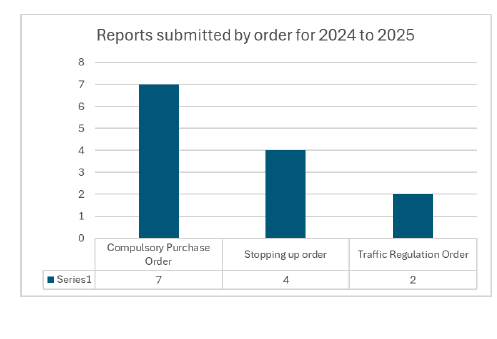
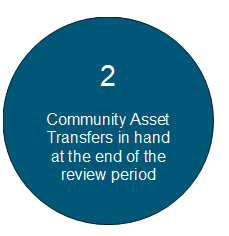
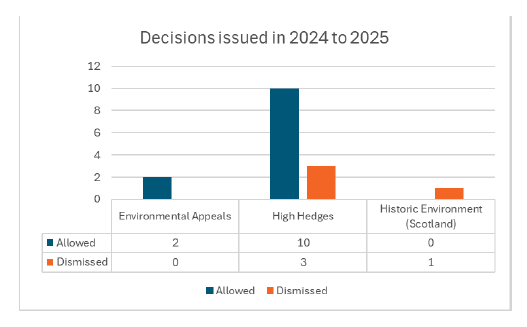
DPEA reporters have submitted reports to ministers on compulsory purchase orders and other orders. At the end of the review period, DPEA had two Community Asset Transfers in hand. Other appeal types that reporters have issued decisions on include environmental appeal and high hedges.
Court Of Session Appeals
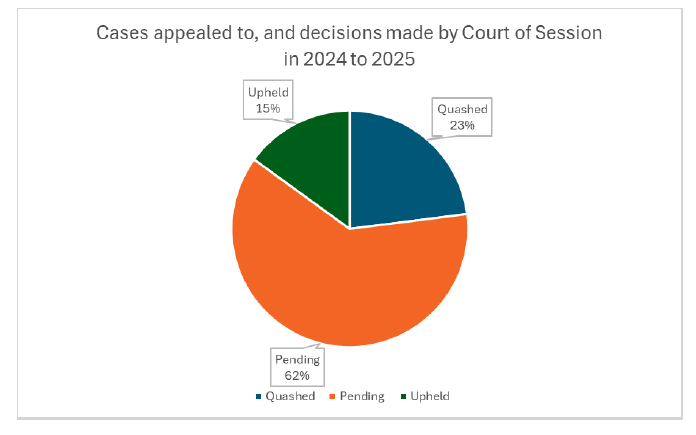
This review period has seen a higher proportion of cases coming back for re-determination after being appealed to Court of Session (Quashed decision). There was a total of 13 cases appeals to Court of Session, some of these are still pending a decision.
Stakeholders Forum
Our Stakeholders Forum continued to meet this year to allow us to share experiences, provide us with constructive feedback on our performance and make suggestions for improvement of the service that we offer. The Group covered a wide range of issues including end of year statistics, DPEA budgets, staffing, resources, community participation in public inquiries, planning modernisation, further written submissions cases, standard planning conditions, DPEA training, IT systems and discussing the advantages and disadvantages of in-person/hybrid/virtual meetings and inquiries. Please see Appendix D for a full list of our stakeholders.
Requests For Information
Over the year we responded to 30 requests for information under the Environmental Information Regulations. These requests are often of a statistical nature or for case specific information. We also responded to over 60 pieces of correspondence sent directly to Scottish Ministers.
Complaints
Over the last year we have received 12 Complaints compared to last year where we received 10, all of which were received via email.
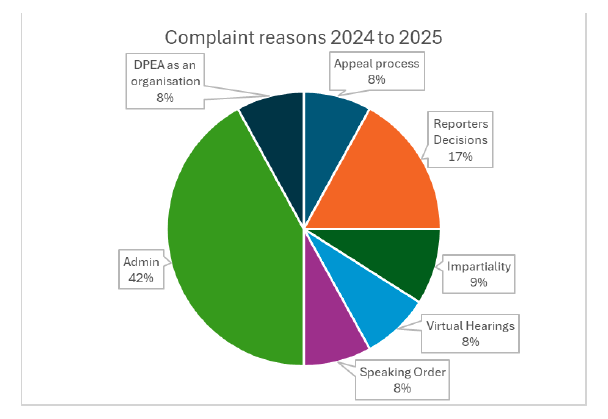
The Types of complaints for this year varied with the majority being received due to perceived administrative errors or some other failure in the service. We always aim to ensure that these are investigated promptly, that an apology is given where our service falls short of acceptable standards and that appropriate remedial action is taken to ensure that errors are not repeated. We try to resolve complaints informally in the first instance, but a customer may elect to pursue a complaint on a more formal basis, in which case the procedure in our Complaints Policy applies.
If the complaint is about the outcome of an appeal, then we explain that the decision of the reporter is final and cannot be revoked or reviewed by DPEA or by Ministers. Customers are, however, made aware of their statutory right to appeal to the Court of Session on a point of law.
Please see below the ratio of complaint reasons that we received within 2024 to 2025.
Finance
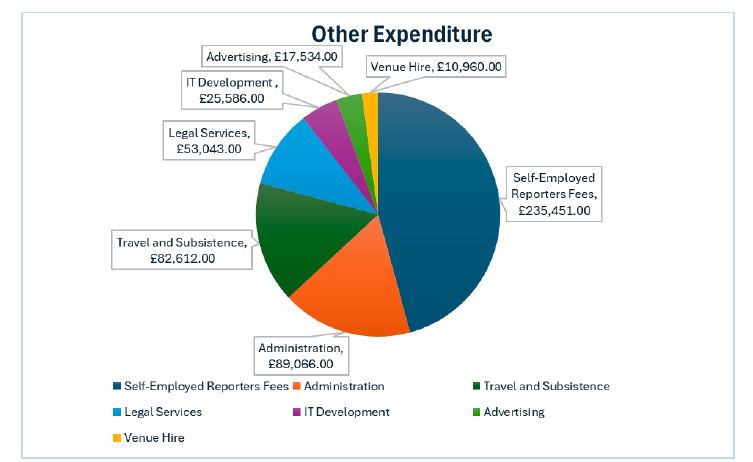
Our staff salaries at £3,897,180 are 89% of our overall expenditure. Our other expenditure is illustrated below:
We generated £68,698 of income from carrying out Gate Check reviews. Any such income is not retained within DPEA.
Expenses Claims
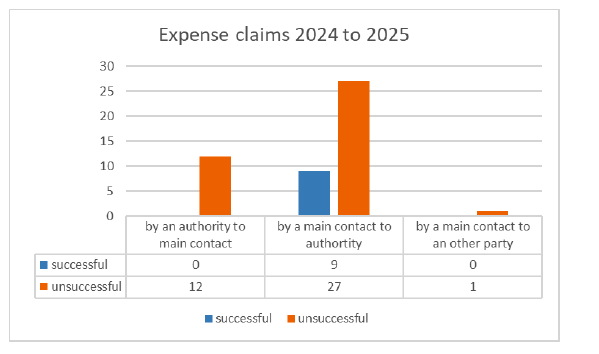
An application for an award of expenses can be made where a party to the appeal has caused unnecessary expense for the party making the claim. This review period saw a total of 49 expense claims, with the vast majority of these being unsuccessful.
Contact
Email: dpea@gov.scot