
Livestock feed controls in Scotland review: analysis
Findings of our review of livestock feed controls, with a particular focus on the risk of spreading Transmissible Spongiform Encephalopathies (TSEs). These controls are vital for safeguarding both animal and public health.
Consultation
3. Analysis and Evaluation
Question 1: Do you think that porcine processed animal protein (PAP) should be allowed in poultry feed?
|
Option |
Total |
Percentage |
|---|---|---|
|
Yes |
25 |
45% |
|
No |
23 |
41% |
|
Don’t Know |
5 |
9% |
|
Not Answered |
3 |
5% |
|
Total |
56 |
100% |
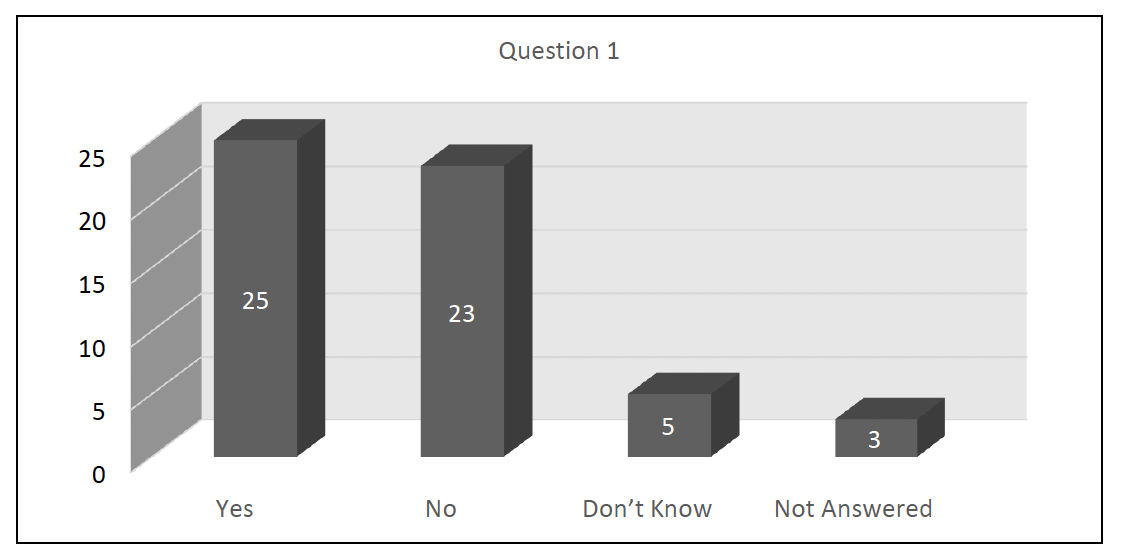
The following key themes emerged from the “Yes” responses received:
- Providing an alternative protein source to soya would help reduce the sector’s reliance on imported soya and provide a level playing field for poultry producers.
- Aligning with EU practices would help to ensure Scottish poultry producers remain competitive in domestic and international markets.
- That there is no scientific justification for continued exclusion.
- Allowing porcine PAP in poultry feed is supported by extensive scientific evidence demonstrating minimal risk of TSE transmission when appropriate biosecurity and traceability systems are in place.
- Poultry are omnivores and the addition of animal protein in their diet would have significant health benefits.
- There are Potential welfare and productivity benefits to be realised.
- The change in legislation may also enhance the adoption of more circular approaches within the industry.
- One respondent noted that engagement with Halal and Kosher certification authorities is crucial given the implications, for religious groups.
The following key themes emerged from the “No” responses received:
- Risk to public health was cited as a concern if controls are removed.
- Increased risk of zoonotic diseases was also highlighted as a potential issue.
- Concerns around protecting both animal and public health, and that this proposal would introduce unacceptable vulnerabilities.
- The BSE crisis highlighted the dangers of feeding animal-derived proteins to livestock.
- Concerns were expressed around lack of existing knowledge when it comes to TSEs and how they spread.
- It was felt there would be negative public opinion towards the proposals.
- How this move could affect climate change was mentioned in responses and it was felt that we should be moving towards a more plant-based food system.
Question 2: Do you think that poultry processed animal protein (PAP) should be allowed in pig feed?
|
Option |
Total |
Percentage |
|---|---|---|
|
Yes |
27 |
48% |
|
No |
22 |
39% |
|
Don’t Know |
5 |
9% |
|
Not Answered |
2 |
4% |
|
Total |
56 |
100% |
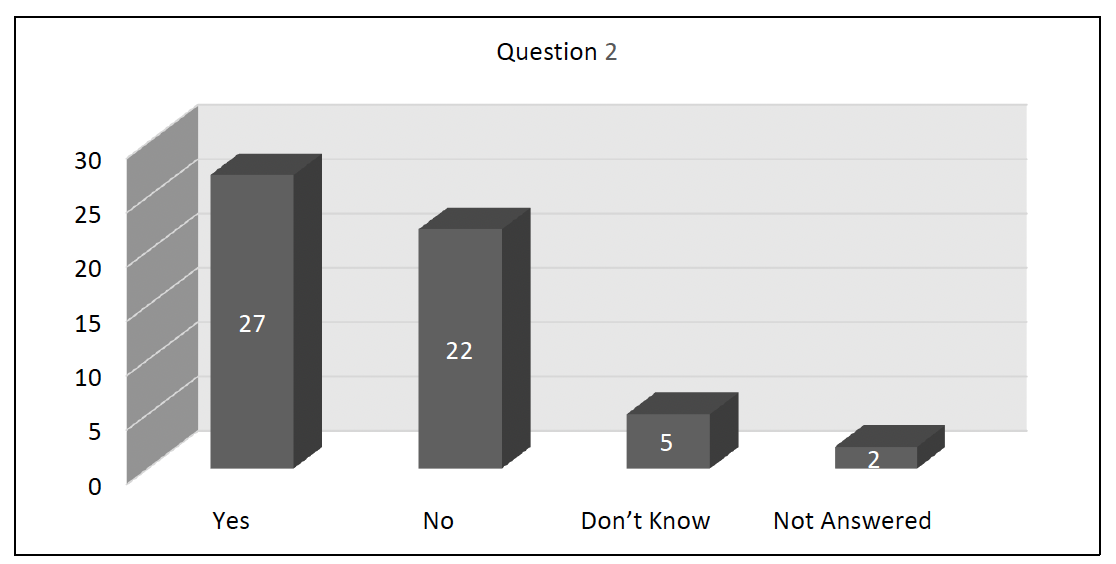
The following key themes emerged from the “Yes” responses received:
- Providing an alternative protein source to soya would help reduce the sector’s reliance on imported soya and provide a level playing field for pig producers.
- This change promotes sustainability by reducing waste and replacing imported proteins like soya, which have a significant carbon footprint.
- Availability of current products is limited and cost prohibitive at current prices and by aligning with EU practices would help to ensure Scottish pig producers remain competitive in domestic and international markets.
- That there is no scientific justification for continued exclusion.
- The inclusion of poultry PAP in pig feed is scientifically supported and poses negligible risk of TSE transmission under updated safety guidelines.
- Pigs thrive on PAP.
- Using poultry PAP in feed is consistent with a pig’s natural omnivorous diet which can include meat.
- Potential welfare and productivity benefits, PAP is rich in protein, making it easier to produce healthy and nutritious feed for pigs.
- The change in legislation may also enhance the adoption of more circular approaches within the industry.
- One respondent who did answer yes, noted concerns over the risks to animal health presented by other potential pathogens such as African Swine Fever and Classical Swine Fever.
The following key themes emerged from the “No” responses received:
- Increased risk of zoonotic diseases.
- Concerns around protecting both animal and public health.
- Ensuring the highest level of biosecurity in feed production is paramount to protecting both animal and public health, and this proposal introduces unacceptable vulnerabilities.
- There are sustainable plant-based alternative feeds which are available, so why take the risk.
- It was again noted that the BSE crisis highlighted the dangers of feeding animal-derived proteins to livestock.
- That climate change is exacerbated by our heavy reliance on animal-based food products and it was felt that this proposal further entrenches animal products in it.
- There should be more emphasis on moving toward a more plant-based food system.
Question 3: Do you think that insect processed animal protein should be allowed in pig and poultry feed?
|
Option |
Total |
Percentage |
|---|---|---|
|
Yes |
28 |
50% |
|
No |
26 |
46% |
|
Don’t Know |
2 |
4% |
|
Not Answered |
0 |
0% |
|
Total |
56 |
100% |
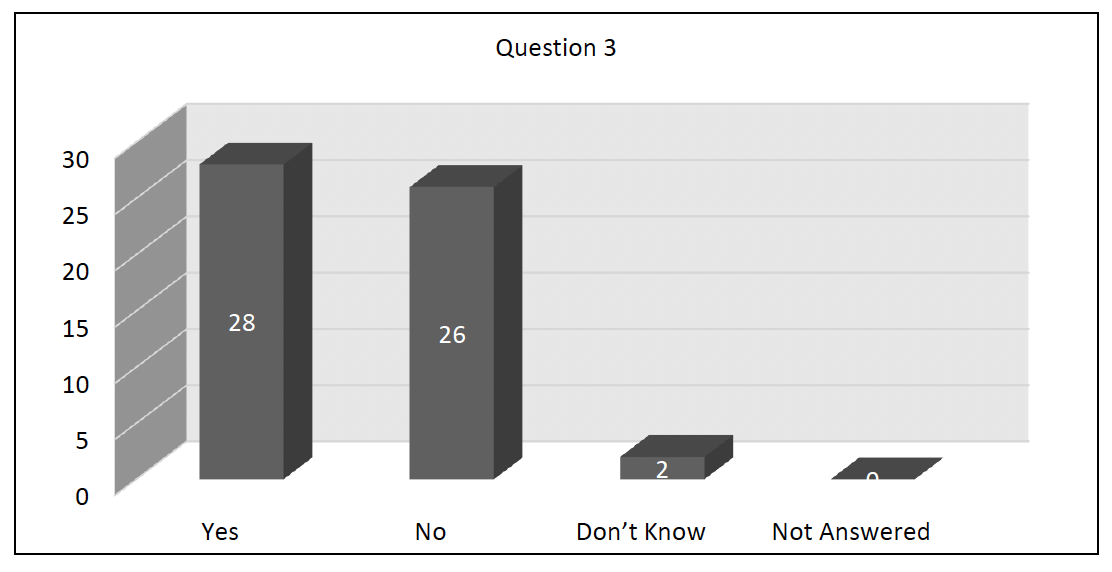
The following key themes emerged from the “Yes” responses received:
- That there is no scientific justification for continued exclusion.
- Scientific studies indicate the risks are now known to be much lower, and surveillance controls will still have a presence.
- That we would be put on level position with EU - subject to conditions of use.
- It would provide an alternative protein source to Soya.
- This move would reduce the dependence on soya bean meal in pig and poultry production, with potential environmental sustainability benefits.
- Insect PAP represents a scientifically validated, innovative protein source that offers substantial environmental and economic benefits.
- Produced using organic waste streams, insect PAP reduces the carbon footprint of feed production and aligns with Scotland’s circular economy goals.
- It would also promote the development of the insect farming sector in the UK and create a level playing field with the EU.
- Poultry and pigs are both omnivores whose wild diet includes protein from a range of sources.
- Incorporating insect proteins into compound feed can help replicate this diet on farms which is beneficial for animal health and productivity.
- In some farming sectors such as aquaculture and poultry insects are already being used as feedstock and are likely to become more prevalent.
- Approving this legislation would send a clear signal to the Scottish and wider UK agri-food supply chain to commence innovating and investing in this space.
- Insect protein production will also enable the agri-food supply chain to become more sustainable helping to reduce the total waste footprint of retailers and food and dairy processors.
The following key themes emerged from the “No” responses received:
- A number of respondents believe that the proposed change would lead to a significant increase in the number of insects reared and slaughtered and are concerned that there is no indication that the animal welfare aspects of the decision have been considered.
- The same respondents also questioned the environmental and economic benefits of promoting insect farming as they believe those benefits are uncertain and contested.
- There is growing evidence indicating that insect species currently being promoted in policy for farming, including Black Soldier Flies and their larvae, are sentient.
- Concerns raised regarding incentivizing a whole new industrial animal agriculture to scale further, and scale without any consideration of best animal welfare practices for the husbandry of these animals.
- Pathogens could enter the food chain via this route, which would affect both animal and human health.
- BSE crisis was linked to livestock being unnaturally fed animal products and with sustainable plant-based alternative feeds being available there is no need to take the risk.
- The sentient insect farming community strongly opposes the approval of insect PAP in pig and poultry feed based on substantial environmental, biosecurity, and animal and public health concerns supported by recent scientific evidence.
Question 4: Do you think that ruminant collagen and gelatine should be allowed in non-ruminant feed?
|
Option |
Total |
Percentage |
|---|---|---|
|
Yes |
25 |
45% |
|
No |
20 |
35% |
|
Don’t Know |
6 |
11% |
|
Not Answered |
5 |
9% |
|
Total |
56 |
100% |
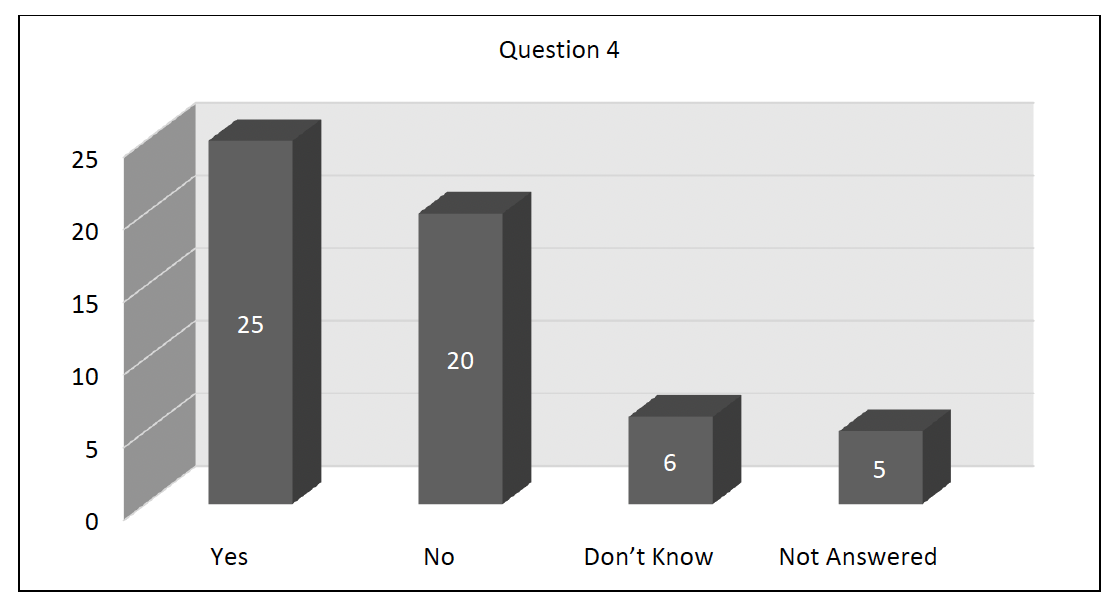
The following key themes emerged from the “Yes” responses received:
- That this puts us on level position with EU - subject to conditions of use.
- It will provide an alternative protein source to Soya.
- Ruminant collagen and gelatine are valuable by-products that can be safely used in non-ruminant feed, posing no TSE risk when proper traceability systems are implemented.
- Experience in Europe alongside scientific research shows that it is safe to use gelatine in this way without concerns around disease transmission.
- Such a move can also be supported by sampling of relevant feeds on a risk considered basis from time to time.
- This approach optimises resource use and minimises environmental impact.
- This measure reduces waste and promotes resource efficiency, aligning with the Good Food Nation Act and Scotland’s Net Zero goals.
- Aligning UK practices with the EU, where ruminant collagen and gelatine are already permitted in non-ruminant feed, is essential for maintaining competitiveness.
The following key themes emerged from the “No” responses received:
- That the controls were put in place to protect consumers.
- Ruminants should stick to naturally occurring type foods - grasses and plants.
- Continued cross contamination and risk of zoonotic disease evolution.
- Ensuring the highest level of biosecurity in feed production is paramount to protecting both animal and public health, and this proposal introduces unacceptable vulnerabilities.
- There are sustainable plant-based alternative feeds are available.
- It was again noted that the BSE crisis highlighted the dangers of feeding animal-derived proteins to livestock.
- Climate change is exacerbated by our heavy reliance on animal-based food products and this proposal further entrenches animal products in it.
Question 5: Please provide any further comments on the proposals set out in this consultation in the box below:
We received 29 responses which followed the same pattern as the responses to the previous questions.
The following comments were received from some of the larger organisations which responded to the consultation:
Woodend Farming Partnership
“The proposed changes to livestock feed controls are essential for Scotland to remain competitive while advancing its sustainability agenda. Allowing the use of porcine, poultry, and insect PAP, as well as ruminant collagen and gelatine, represents a scientifically sound and environmentally beneficial approach. These measures align Scotland’s agricultural practices with EU standards, ensuring Scottish products remain competitive both locally and internationally.”
British Poultry Council
“We welcome the proposals set out in this consultation regarding the use of PAP in non-ruminant feed.
The introduction of PAP in poultry feed offers significant benefits, including enhanced sustainability and reduced reliance on traditional feed ingredients. Poultry naturally consume a varied diet that can include animal proteins, and incorporating PAP helps replicate their natural food sources, fulfilling their dietary needs.
Safety is paramount, and the rendering process ensures that by-products are transformed into safe, high-quality feed ingredients under strict veterinary control. The sustainability aspect is also crucial, as using PAP helps minimise waste and reduces the carbon footprint compared to virgin raw materials.
Collaboration across the feed and food supply chain is essential to generate demand for PAP. Implementing segregated lines in rendering plants and feed mills, along with a compliant testing regime, is necessary to ensure the successful adoption of these practices.
Overall, the proposals support the circular economy by optimally using resources and minimising environmental impact, aligning with our commitment to sustainability and animal welfare.”
National Farmers Union (NFU) Scotland
“Pigs and poultry are some of the most efficient producers of affordable, quality protein in the form of eggs or meat. In terms of climate change impact pigs and poultry are extremely efficient and the use of soya is the weakest link in their change when it comes to climate impacts. Finding solutions and alternative options to replace soya in pig and poultry diets would be a big win for the sectors in terms of climate impacts.”
Alternative proteins to soya, that could be produced within the UK would also be a win for food security and take away some of the issues for the sector caused by big fluctuations in the global market for soya.”
British Veterinary Association
“We strongly support a risk-based, proportionate approach that eliminates any unnecessary burdens, and support proposals which will contribute to TSE controls that are based on scientific advice and are considered proportionate to the risk to public and animal health.
It is important that if Scottish Government chooses to proceed with these proposals, then in addition to being backed up by the latest scientific research, the rationale for their adoption must be clearly explained and easy to understand.
It is very important changes are brought in at the same time as in the rest of the UK, including Northern Ireland, given the livestock so being fed are traded freely across, and their products eaten in, each region of the country.
For all these changes, we must emphasise again that it needs to be clear how import controls or application of UK standards to imported animal or insect protein product is going to happen. In addition, it must be made clear how this is going to be monitored and enforced.”
Quality Meat Scotland
“As outlined in the consultation documents, research has shown that poultry and pigs are not naturally susceptible to TSEs and are omnivorous by nature. Given the operational context of an increased scientific understanding of TSEs combined with the red meat sector’s motivation to produce as sustainably as possible, it seems logical to permit the use of PAPs in feed for poultry and pigs.
It seems sensible to align policy on this matter with the EU, which has updated its regulations since the UK was a member. It is vital that red meat producers in GB are on a level playing field with their counterparts in the EU and Northern Ireland. The EU is Scotland’s biggest export market for red meat outside of the UK and last year saw a record volume of overall sales. In order to remain competitive, producers must not be unnecessarily constrained.
Public health is, of course, paramount and it is crucial that the measures to prevent and monitor cross-contamination as outlined in the consultation document are stringently upheld, alongside remaining BSE controls such as the removal of Specified Risk Material (SRM) in abattoirs.”
Agricultural Industries Confederation (AIC)
“AIC and UK Former Foodstuffs Processors Association (UKFFPA) would welcome the lifting of restrictions to enable the use of former foodstuffs containing ruminant gelatine in non-ruminant feeds. UK feed manufacturers have a long experience of using former foodstuffs across all feed types and the industry would welcome being able to add value to the estimated 100,000 tonnes (EU estimate figure) of additional former foodstuffs containing ruminant gelatine that would become available under these proposals.”
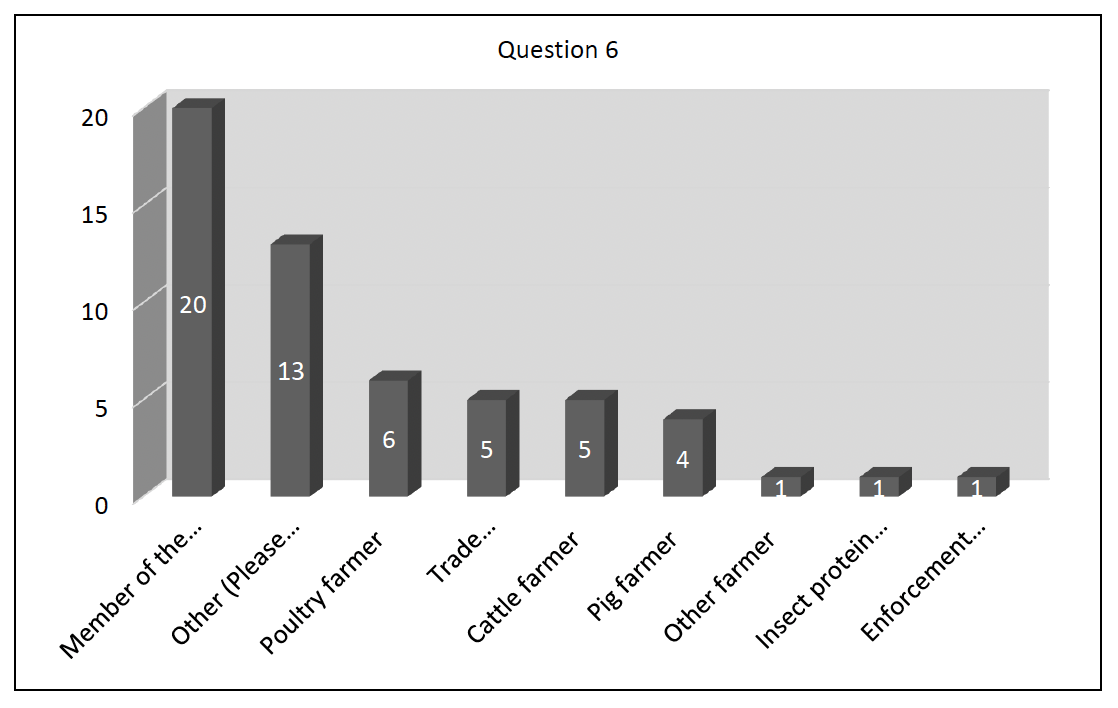
Question 6: Which of the following best describes you, your holding, or organisation?
|
Option |
Total |
Percentage |
|---|---|---|
|
Member of the public |
20 |
36% |
|
Other (Please specify) |
13 |
22% |
|
Poultry farmer |
6 |
11% |
|
Trade association |
5 |
9% |
|
Cattle farmer |
5 |
9% |
|
Pig farmer |
4 |
7% |
|
Other farmer |
1 |
2% |
|
Insect protein producer |
1 |
2% |
|
Enforcement officer |
1 |
2% |
|
Total |
56 |
100% |
The following respondents agreed to their names being published in this report:
Name / Individual/Organisation
Patricia Mckinnon: Individual
Pete Robertson: Ednie Farms
David Stainthorpe: Individual
James Baxter: Individual
Robert Chapman: Individual
John Seed: Woodend Farming Partnership
Raisa Ilyas: British Poultry Council
David McGhie: Dumfries and Galloway Council
Penny Middleton: NFU Scotland
David: Individual
James McCulloch: Agricultural Industries Confederation
Ben O'Halloran: British Veterinary Association
Ben Stevenson: Individual
Eleanor McAree: Individual
Simone Micallef: Individual
Jacques: Individual
Andre Abassi: The Society for the Protection of Insects
Vasco Grilo: Individual
Thomas Farrugia: Beta Bugs Limited
Corentin Biteau: National Observatory on Insect Farming - ONEI
Contact
Email: Animal.Health@gov.scot