
Heat Network: quarterly report September 2025
Information on the capital and pre-capital projects which have been funded through Scotland's Heat Network Fund, Low Carbon Infrastructure Transition Programme, Social Housing Net Zero Heat Fund and the Heat Network Support Unit.
Part of
Heat Network Pre-capital Projects
Dundee Caird Park
Lead organisation:
Dundee City Council
Feasibility Summary
Metric / Value
Annual Heat Demand (GWh): 10.4
Total CAPEX (£m): 5.2
IRR (%): 4%
Lifetime Carbon Savings (tCO2e): 57,719
Project stage:
Pre-capital – Detailed feasibility study complete
Technology type(s):
Existing heat network extension
Location:
Regional Performance Centre for Sport, Dundee
Type of support:
£35,000 HNSU grant
Project timeframe:
Feasibility report completed March 2023.
Project description:
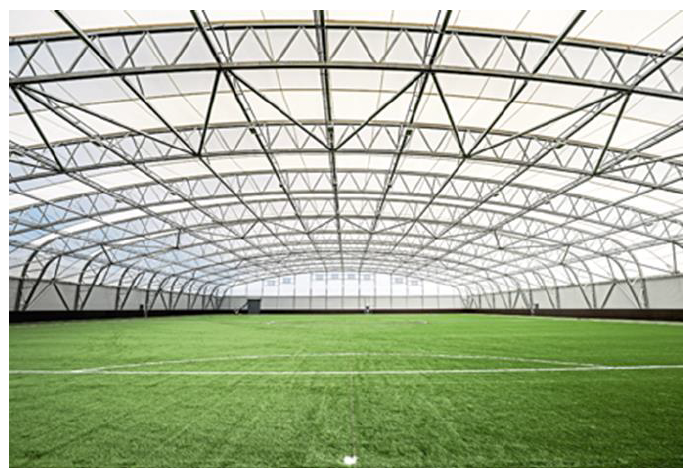
The Caird Park project was originally supported by the Low Carbon Infrastructure Transition Programme. A pre-feasibility study to expand the network was published in January 2022 as part of an initiative to boost heat networks by the Scottish Cities Alliance. This study analysed opportunities to expand the existing network towards additional heating loads (a school, a college, a sports centre and a gymnastics centre). The project aimed to assess the viability of these additional connections.
Inverness West Bank
Lead organisation:
The Highland Council
Feasibility Summary
Metric / Value
Annual Heat Demand (GWh): 13.1
Total CAPEX (£m): 14.9
IRR (%): 3.6%
Lifetime Carbon Savings (tCO2e): 109,188
Project stage:
Pre-capital – Detailed feasibility study complete
Technology type(s):
Proposed new heat network
Location
Inverness
Type of support:
£27,500 HNSU grant
Project timeframe:
Feasibility report completed April 2023.
Project description:
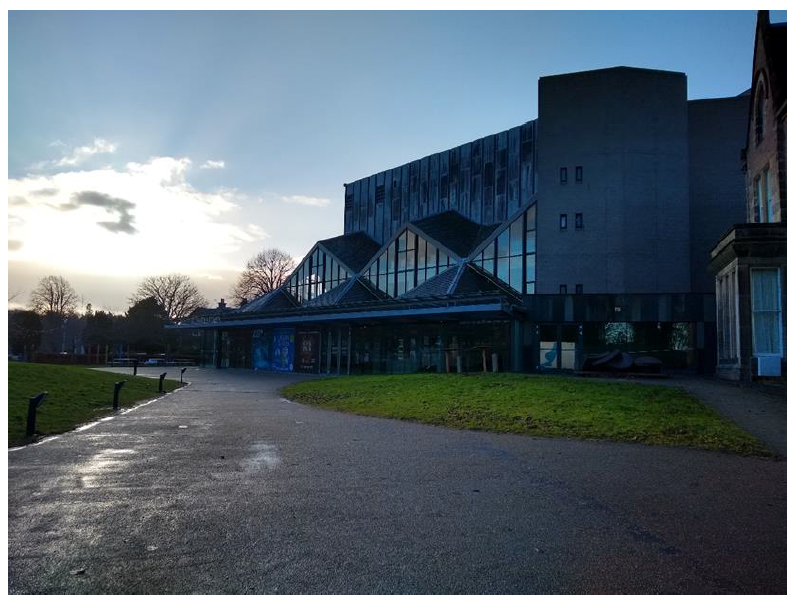
The Highland Council are exploring the potential for a district heating network within Inverness. The main buildings identified for connection include Inverness Leisure Centre, Inverness Ice Centre, Highland Archive and Registration Centre, Inverness Botanic Gardens, Highland Council HQ and Eden Court.
Inverness Castle
Lead organisation:
The Highland Council
Feasibility Summary
Metric / Value
Annual Heat Demand (GWh): 1.07
Total CAPEX (£m): 2.8
IRR (%): 3.6%
Lifetime Carbon Savings (tCO2e): 6,480
Project stage:
Pre-capital – Detailed feasibility study complete
Technology type(s):
Proposed new heat network
Location:
Inverness
Type of support:
£27,500 HNSU grant
Project timeframe:
Feasibility report completed April 2023.
Project description:
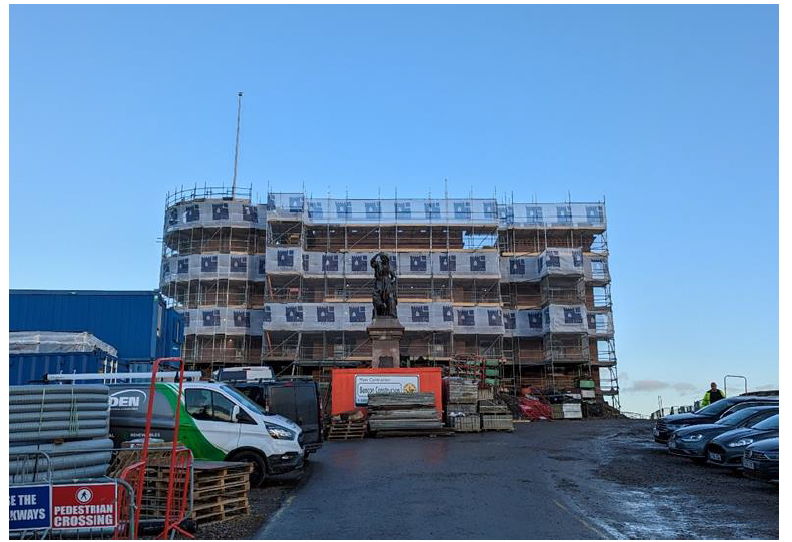
The Highland Council are developing a district heating network within the immediate area surrounding Inverness Castle which is a council administration centre. Potential heat sources include ground source heat pumps, river source heat pumps, sewer heat recovery, biomass and large-scale air source heat pumps.
Perth City Centre Heat Network
Lead organisation:
Perth and Kinross Council
Feasibility Summary
Metric / Value
Annual Heat Demand (GWh): 12.0
Total CAPEX (£m): 10.9
IRR (%): 6.5%
Lifetime Carbon Savings (tCO2e): 101,742
Project stage:
Pre-capital – Detailed feasibility study complete
Technology type(s):
Proposed new heat network
Location:
Perth
Type of support:
£35,000 HNSU grant
Project timeframe:
Feasibility report completed in March 2023.
Project description:
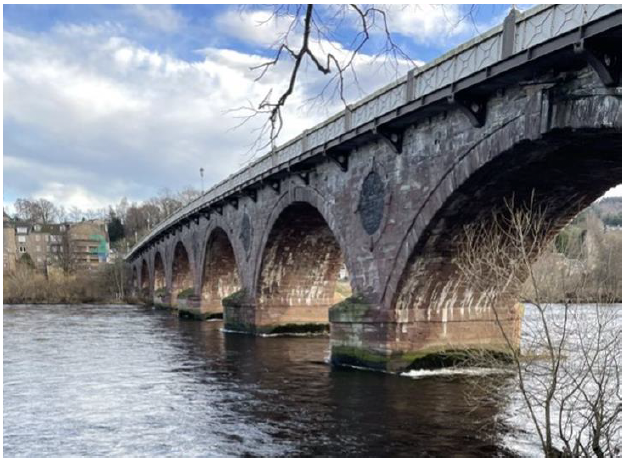
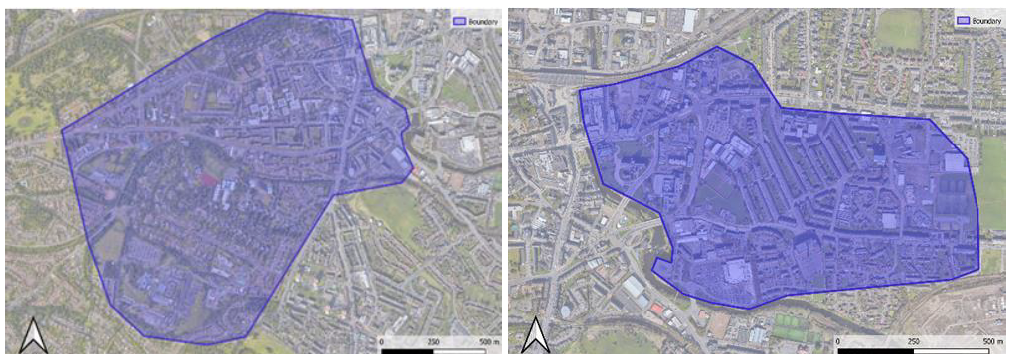
Various non-domestic and domestic buildings including a concert hall, council offices, tower blocks and a hotel have been identified within Perth city centre that are potential connections for a heat network. A range of low carbon heat sources are recommended to be considered including river and ground source heat pumps.
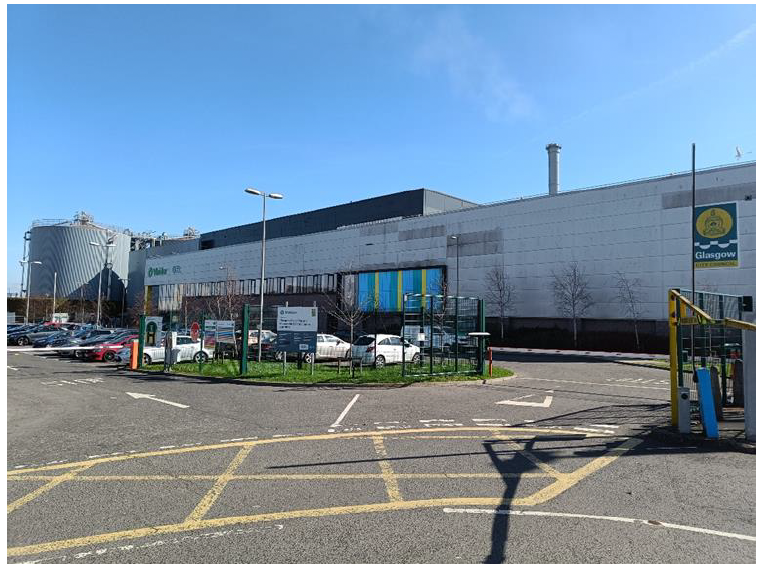
Glasgow Polmadie
Lead organisation:
Glasgow City Council
Feasibility Summary
Metric / Value
Annual Heat Demand (GWh): 24.1
Total CAPEX (£m): 22.8
IRR (%): 3.6%
Lifetime Carbon Savings (tCO2e): 146,617
Project stage:
Pre-capital – Detailed feasibility study complete
Technology type(s):
Proposed new heat network
Location:
Glasgow
Type of support:
£45,000 HNSU grant for feasibility study
Project timeframe:
Feasibility report completed September 2023. Additional technoeconomic work completed in April 2024.
Project description:
Project secured grant funding to undertake a review of prior feasibility work to determine the potential for the Glasgow Recycling and Renewable Energy Centre (GRREC) to be used as a heat source for a district heat network serving a mix of domestic and non-domestic properties in the south side of Glasgow. Further technoeconomic work was carried out following completion of the feasibility study.
Queen’s Quay Extension
Lead organisation:
West Dumbartonshire Council
Project stage:
OBC completed – commercialisation
Technology type(s):
Extension of existing heat network (heat source: water source heat pump)
Location:
Clydebank
Type of support:
Capacity building and OBC support
Project timeframe:
OBC completed in June 2023.
Project description:
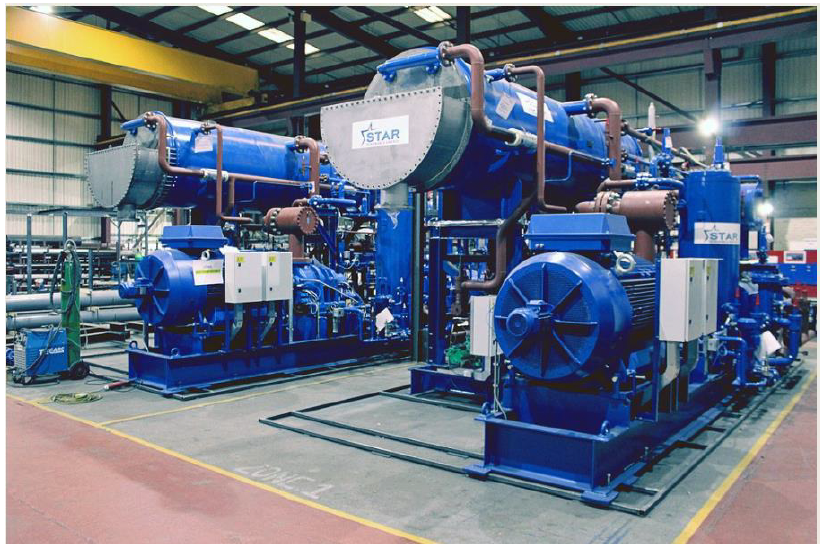
The project proposes the extension of the Queens Quay heat network to connect to the Golden Jubilee Hospital.
Granton Waterfront
Lead organisation:
City of Edinburgh Council
Feasibility Summary
Metric / Value
Annual Heat Demand (GWh): 30.6
Total CAPEX (£m): 31.1
IRR (%): 12%
Lifetime Carbon Savings (tCO2e): 21,572
Project stage:
Pre-capital – Commercialisation
Technology type(s):
Proposed new heat network (proposed heat source: sewer source heat pump)
Location:
Granton, Edinburgh
Type of support:
£50,000 Scotland’s Heat in Buildings Development Funding Invitation Grant
HNSU Advisory Support
Project timeframe:
Contract Notice published May 2023. Following a procurement process and approval by elected members, the Council appointed Vattenfall Heat UK Ltd as proposed concessionaire on a 2-stage process in December 2023. The initial pre-development stage is currently underway with a view to concluding with a final investment decision (on entering into a concession agreement) in the second half of 2025.
Project description:
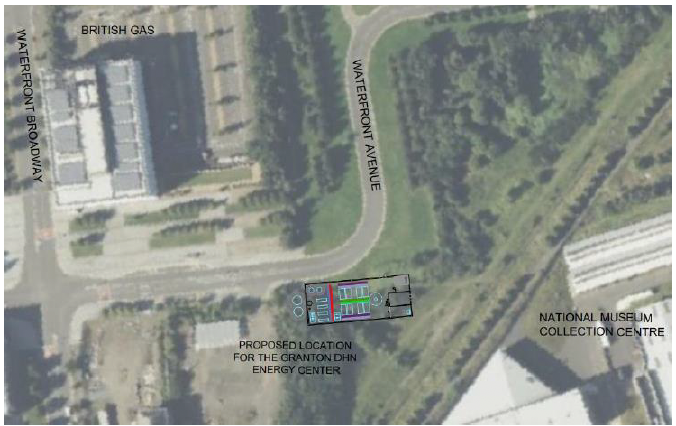
The project proposes a new heat network to serve new buildings on the Granton development site. The site is of mixed use with approx 3000 homes and 9,000m2 non-domestic space, including a primary school, medical centre, business, retail and leisure. The projects aims to create the heat network with the potential to connect to nearby areas of heat demand to the south of the site, including existing schools and a leisure centre.
Edinburgh Airport Low Carbon Heat Network
Lead organisation:
Edinburgh Airport Ltd
Project stage:
Pre-capital - OBC complete
Technology type(s):
Proposed new heat network
Location:
Edinburgh Airport, Edinburgh
Type of support:
£42,500 Scotland’s Heat in Buildings Development Funding Invitation Grant
Project timeframe:
OBC completed November 2023.
Project description:
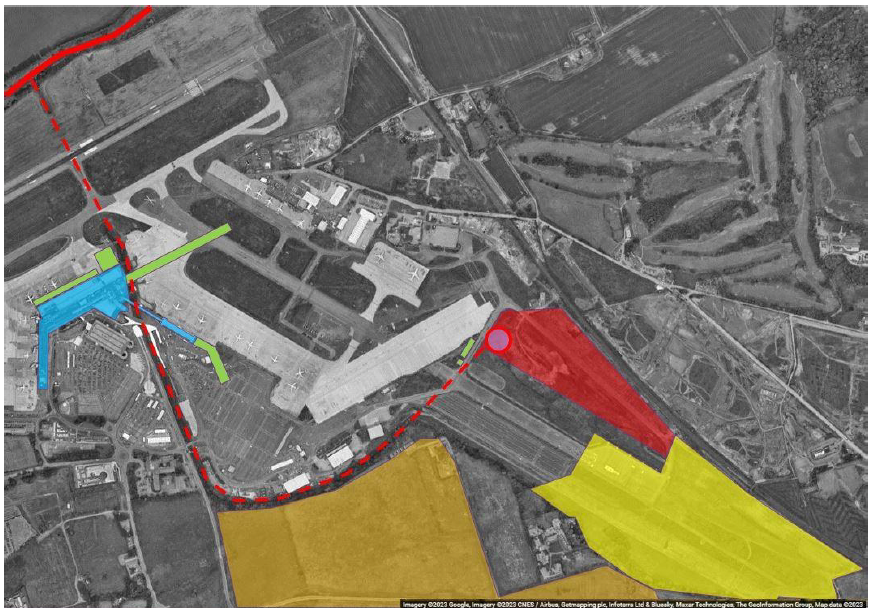
The project involved the development of a technical and economic case for a district heat network which would supply heat to Edinburgh Airport, while acknowledging opportunities for future expansion to the Crosswinds and West Town developments (e.g. with regard to energy centre/pipe sizing).
Blindwells Heat Network
Lead organisation:
Hargreaves Land
Feasibility Summary
Metric / Value
Annual Heat Demand (GWh): 10.9
Total CAPEX (£m): 13.4
IRR (%): 3.9%
Lifetime Carbon Savings (tCO2e): 1,118
Project stage:
Pre-capital – Detailed feasibility study complete
Technology type(s):
Proposed new heat network
Location:
Blindwells, East Lothian
Type of support:
£30,000 HNSU grant
Project timeframe:
Feasibility report completed February 2023. Project moving forward to capital delivery.
Project description:
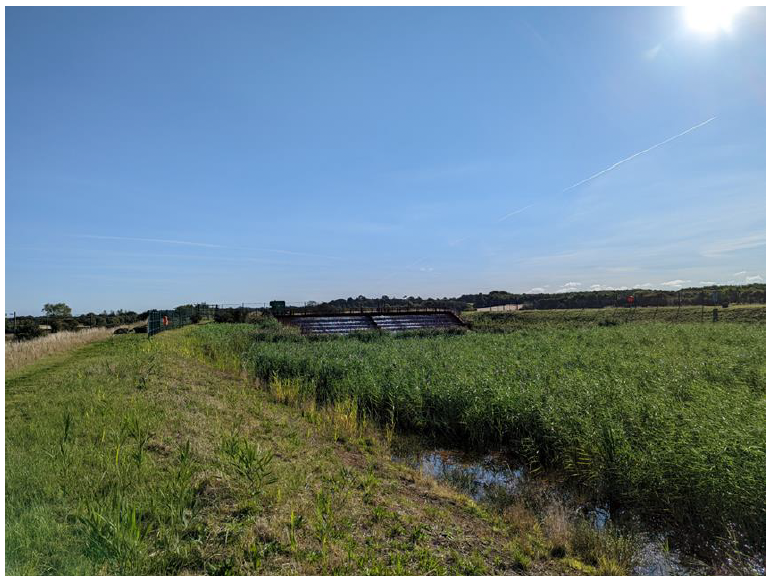
The project involves the redevelopment of a former quarry and mine for new-build residential, public and commercial properties. A suggested approach is recovering heat from minewater, which will be fed through an ambient loop to households, each of which will have individual heat pumps.
Eastwood Park
Lead organisation:
East Renfrewshire Council
Feasibility Summary
Metric / Value
Annual Heat Demand (GWh): 9.8
Total CAPEX (£m): 14.7
IRR (%): 5.6%
Lifetime Carbon Savings (tCO2e): 62,258
Project stage:
Pre-capital – Detailed feasibility study complete
Technology type(s):
Proposed new heat network
Location:
Eastwood Park, Glasgow
Type of support:
£38,500 HNSU grant
Project timeframe:
Feasibility study completed January 2024.
Project description:
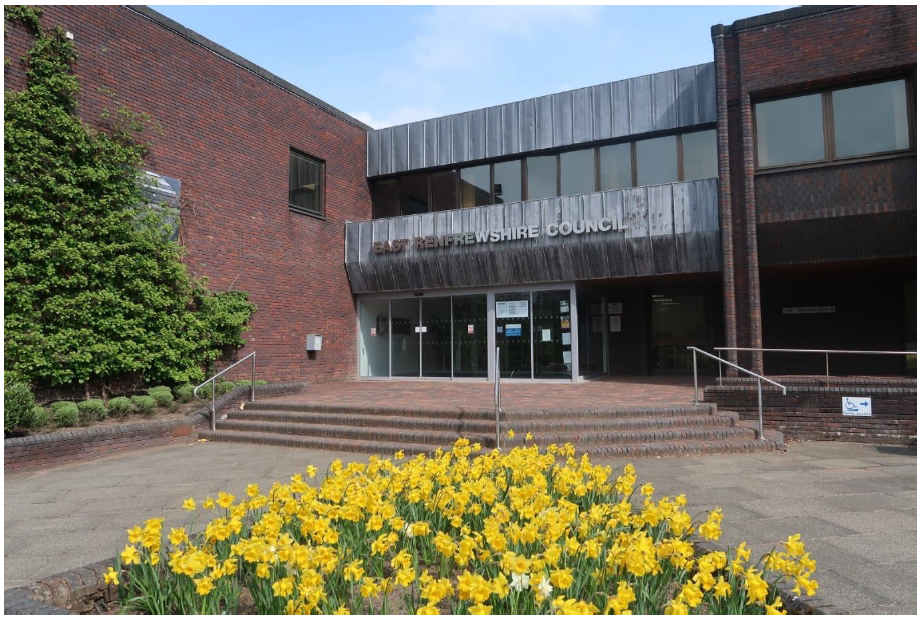
This project proposes a new heat network with sewer water heat recovery as a potential source. The proposed heat network would supply public sector buildings including Eastwood Park Campus, schools and a leisure centre.
St Andrews University Heat Network Extension
Lead organisation:
University of St Andrews
Feasibility Summary
Metric / Value
Annual Heat Demand (GWh): 2.9
Total CAPEX (£m): 8.7
IRR (%): 17%
Lifetime Carbon Savings (tCO2e): 75,488
Project stage:
Pre-capital – Detailed feasibility study
Technology type(s):
Extension of existing heat network (heat source: biomass)
Location:
St Andrews, Fife
Type of support:
£50,000 HNSU grant
Project timeframe:
Feasibility study completed in March 2024.
Project description:
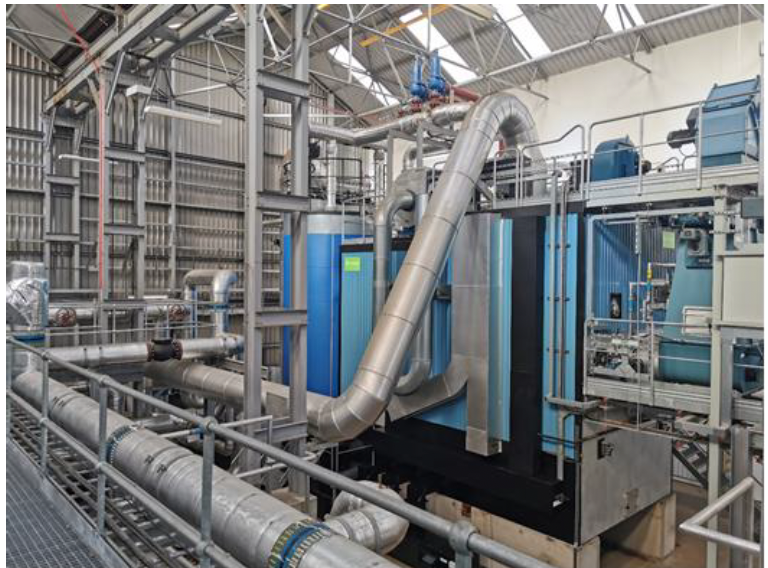
This project proposes the extension of an existing biomass heat network in and around St Andrews. Since its commissioning in 2017 the existing heat network, sourced by a 6.5MW biomass boiler has provided heating and hot water to 50 University campus buildings via 27 km of pipe, accumulating savings of 20,000 tCO2e. The feasibility study will explore different options to identify a preferred extension scenario, which could include public sector buildings, schools and hospitality venues.
Dundee Baldovie
Lead organisation:
MVV Environment Baldovie Ltd
Project stage:
Pre-capital – Detailed feasibility study complete
Technology type(s):
Proposed new heat network
Location:
Whitefield & Douglas area, Dundee
Type of support:
£50,000 HNSU grant
Project timeframe:
Feasibility study completed February 2024.
Project description:
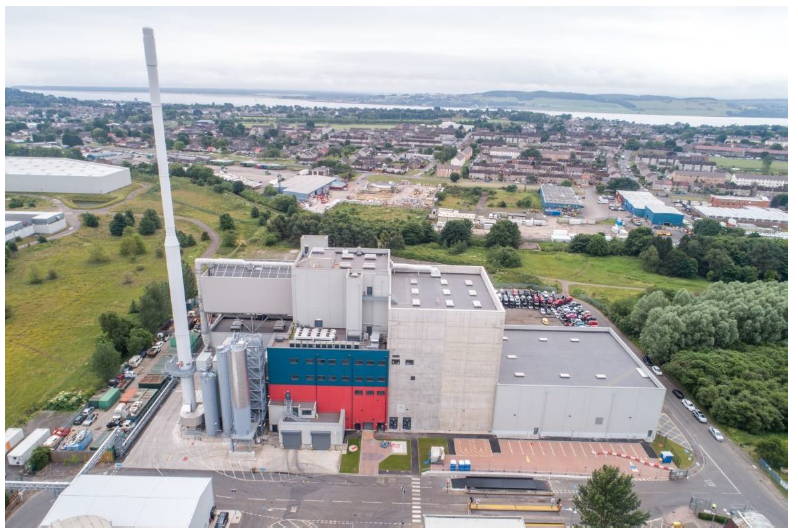
This project proposes the creation of a heat network for the Whitefield and Douglas area with heat supply from the Baldovie Energy from Waste facility. The study will assess potential anchor loads in the vicinity of the Energy from Waste facility, and the potential to extend towards the city centre.
Paisley Central
Lead organisation:
Renfrewshire Council
Feasibility Summary (Paisley West only)
Metric / Value
Annual Heat Demand (GWh):
49.9
Total CAPEX (£m):
72.4
IRR (%):
8%
Lifetime Carbon Savings (tCO2e):
Considerable
Project stage:
Pre-capital – Outline Business Case
Technology type(s):
Proposed new heat network
Location:
Paisley Central
Type of support:
Up to £75,000 HNSU grant
Project Timeframe:
Feasibility reports for Paisley West and Paisley East completed May 2024. Renfrewshire Council have combined both areas to be taken forward as ‘Paisley Central’ for the OBC.
Project description:
The feasibility studies identified an opportunity for a 4th Generation heat network in Paisley Central, making use of waste heat recovery using a Wastewater Source Heat Pump as the primary technology. Potential connections include the University of West of Scotland, Royal Alexandra Hospital, The Piazza Shopping Centre, The Lagoon Sports Centre, Paisley Town Hall, Paisley Museum and Art Gallery and Renfrewshire House, along with a mix of domestic and non-domestic properties including social housing.
Paisley North – AMIDS Extension
Lead organisation:
Renfrewshire Council
Feasibility Summary
Metric / Value
Annual Heat Demand (GWh): 11.2
Total CAPEX (£m): 9.2
IRR (%): 10%
Lifetime Carbon Savings (tCO2e): 86,191
Project stage:
Pre-capital – Outline Business Case
Technology type(s):
Existing heat network extension
Location:
Paisley North
Type of support:
Up to £60,000 HNSU grant
Project timeframe:
Feasibility report completed April 2024. OBC underway.
Project description:
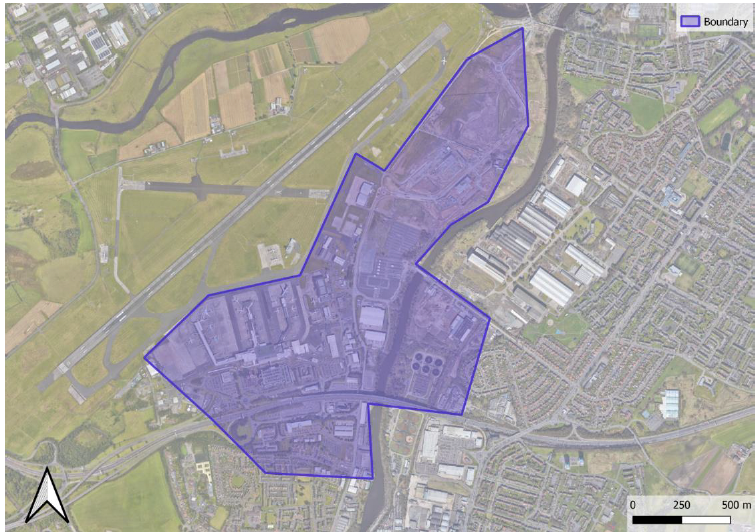
Renfrewshire Council are exploring extending the existing Advanced Manufacturing Innovation District Scotland (AMIDS) heat network in Paisley South with the proposed area being Paisley North. Potential connections include Glasgow International Airport, hotels south of the airport, education buildings and future industrial buildings at the AMIDS development. The existing AMIDS heat source is a wastewater treatment works. Alternative (or additional) heat sources include river, ground and air source heat pumps. The project is now progressing to OBC stage.
Callendar Park
Lead organisation:
Falkirk Council
Feasibility Summary
Metric / Value
Annual Heat Demand (GWh): 6.2
Total CAPEX (£m): 13.3
IRR (%): 1.7%
Lifetime Carbon Savings (tCO2e): 120,110
Project stage:
Pre-capital – Detailed feasibility study
Technology type(s):
Existing heat network extension
Location:
Callendar Park, Falkirk
Type of support:
£40,000 HNSU grant
Project timeframe:
Feasibility report completed April 2024.
Project description:
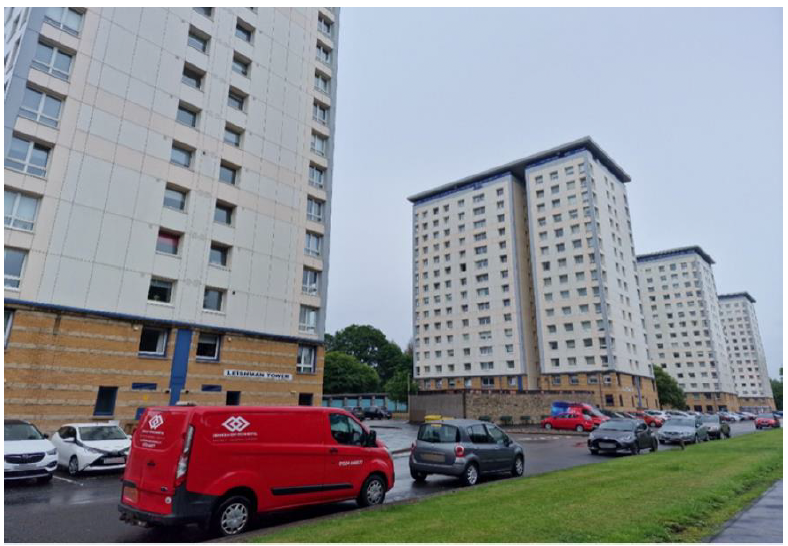
Falkirk Council investigated how to upgrade and extend an existing gas CHP heat network in the Callendar Park area. The CHP system currently powers 9 of the 11 tower blocks in the area and requires upgrading in the next 5 years. The proposed extension would power the existing 9 tower blocks, in addition to Callendar Business Park and two local schools. There is also potential to extend to the town centre, towards the new Falkirk Town Hall.
Tweedbank
Lead organization:
Scottish Borders Council
Project stage:
Pre-capital – Detailed feasibility study
Technology type(s):
Proposed new heat network
Location:
Tweedbank
Type of support:
£50,000 HNSU grant
Project timeframe:
Feasibility report completed March 2024.
Project description:
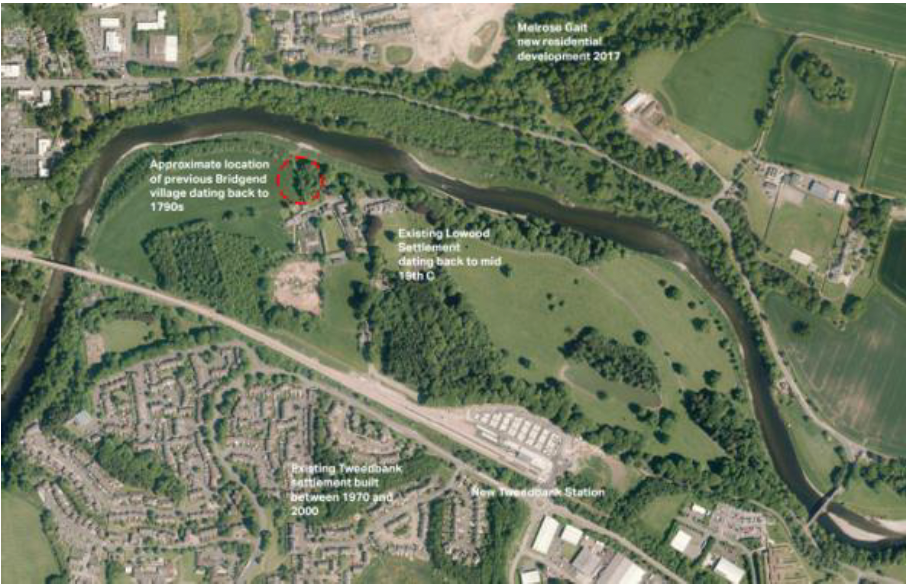
Scottish Borders Council investigated a potential new heat network that serves a mixed-use development. This development includes 300-400 properties, a community centre, care village and business space. Tweedbank is a key anchor load and there is potential to expand west to Galashiels and east to Melrose.
The Crichton Trust
Lead organisation:
The Crichton Trust
Feasibility Summary
Metric / Value
Annual Heat Demand (GWh): 25.0
Total CAPEX (£m): 24.3
IRR (%): 8.3%
Lifetime Carbon Savings (tCO2e): 231,073
Project stage:
Pre-capital – Detailed feasibility study
Technology type(s):
Proposed new heat network
Location:
Crichton Estate
Type of support:
£45,000 HNSU grant
Project timeframe:
Feasibility report completed April 2024.
Project description:
The Crichton Trust investigated a potential new heat network that serves the mixed-use buildings on Crichton Estate, Dumfries and Galloway College, Scottish Rural Agricultural College, Brownhill Primary School, three NHS buildings and domestic properties. Potential heat sources include ground source heat pump, river source heat pump and wastewater treatment plant.
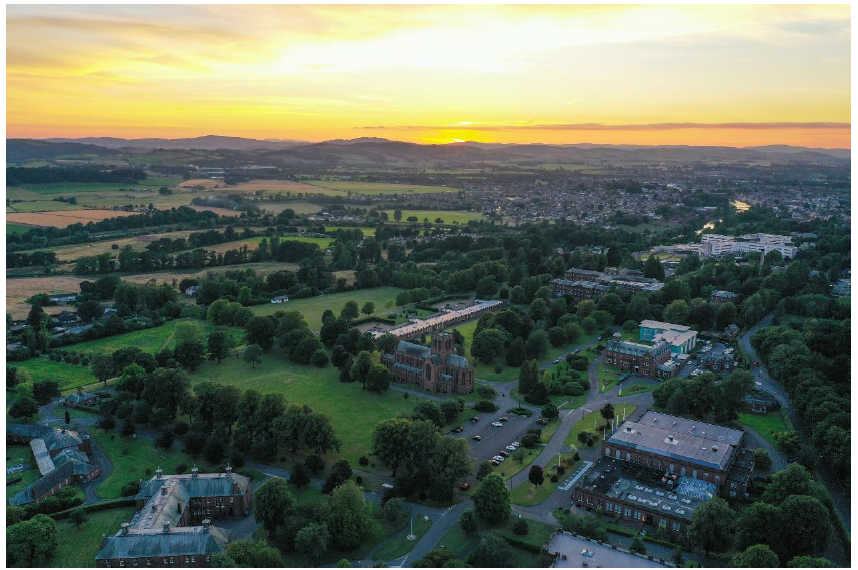
University of Stirling
Lead organisation:
University of Stirling
Feasibility Summary
Metric / Value
Annual Heat Demand (GWh): 21.82
Total CAPEX (£m): 17.8
IRR (%): N/A
Lifetime Carbon Savings (tCO2e): 151,611
Project stage:
Pre-capital – Detailed feasibility study
Technology type(s):
Decarbonising and expanding existing combined heat and power heat network
Location:
Stirling
Type of support:
£50,000 HNSU grant
Project timeframe:
Feasibility report completed November 2024.
Project description:
The University of Stirling looked into decarbonising and expanding their existing heat network on the university campus. The optimal scenario would involve replacing existing gas boilers with electric boilers when they come to end of life, installing air-source heat pumps, and expanding the heat network to other university-owned buildings within the campus bounds.
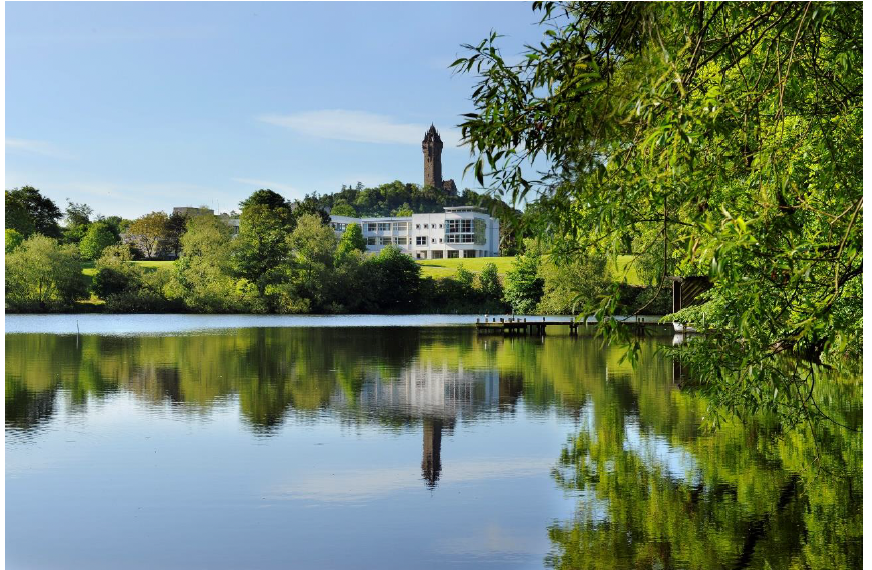
Greenock River Clyde Homes
Lead organisation:
River Clyde Homes
Feasibility Summary
Metric / Value
Annual Heat Demand (GWh):
25.00
Total CAPEX (£m):
42.6
IRR (%):
12%
Lifetime Carbon Savings (tCO2e):
166,200
Project stage:
Pre-capital – Detailed feasibility study
Technology type(s):
Expansion of existing heat network
Location:
Greenock
Project timeframe:
Feasibility report completed December 2024.
Type of support:
£49,000 HNSU grant
Project description:
River Clyde Homes are looking to expand their current heat network at Broomhill. The existing energy centre serves 517 homes and currently relies on biomass. There are an additional two thousand of the Association's housing stock located within a 2km radius that are not currently connected to the network. The association would also consider expanding the network to include buildings and property owners not within the RCH Group including Inverclyde Council, NHS and other social landlords within the Central Greenock area who own and maintain schools, leisure centres, health care centres and hospitals.
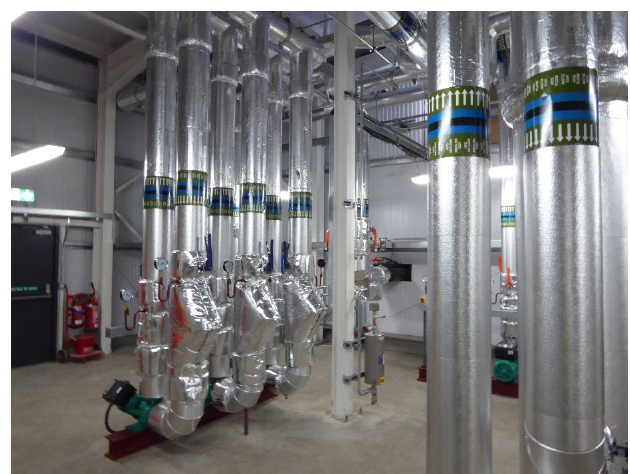
Elgin Town Centre
Lead organisation:
Moray Council
Feasibility Summary
Metric / Value
Annual Heat Demand (GWh): 20.0
Total CAPEX (£m): 35.9
IRR (%): Between 6% - 12%
Lifetime Carbon Savings (tCO2e): 18,000
Project stage:
Pre-capital – Detailed feasibility study
Technology type(s):
Proposed new heat network
Location:
Elgin City
Project timeframe:
Feasibility report completed October 2024.
Type of support:
£49,000 HNSU grant
Project description:
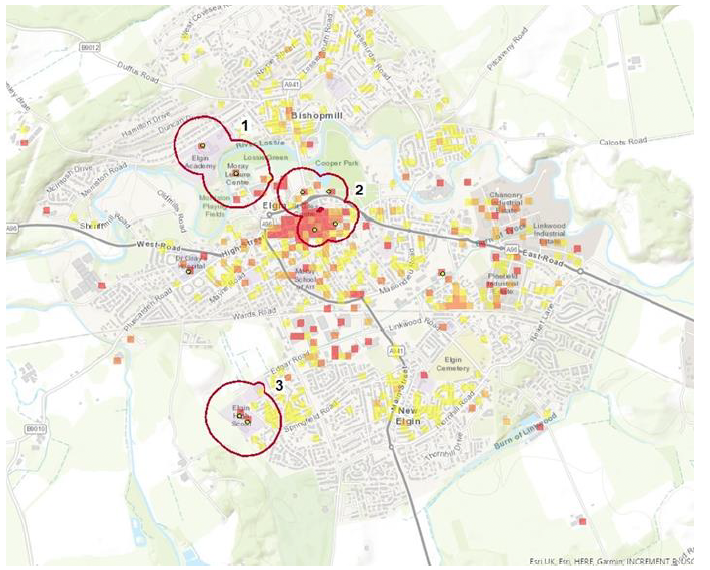
Moray Council are looking at combining two potential heat network areas as identified in their LHEES. Those areas include the town centre of Elgin and the adjacent area around the Moray Leisure Centre and Elgin Academy. The centre of Elgin includes buildings such as Elgin Town Hall, Elgin Library, Moray Council HQ and Moray Growth Deal projects in South Street.
Abertay University
Lead organisation:
Abertay University
Project stage:
Pre-capital
Technology type(s):
Proposed new heat network
Location:
Abertay University, Dundee
Project timeframe:
Completed December 2024
Type of support:
HNSU critical-friend support
Project description:
The project focuses on the energy centre which is located within an existing building on the Abertay campus. Abertay University have drafted an Outline Business Case for the project.
Old Town Edinburgh
Lead organisation:
City of Edinburgh Council
Project stage:
Pre-capital – Detailed feasibility study
Technology type(s):
Proposed new heat network
Location:
Edinburgh
Project timeframe:
On-going
Type of support:
Up to £50,000 HNSU grant
Project description:
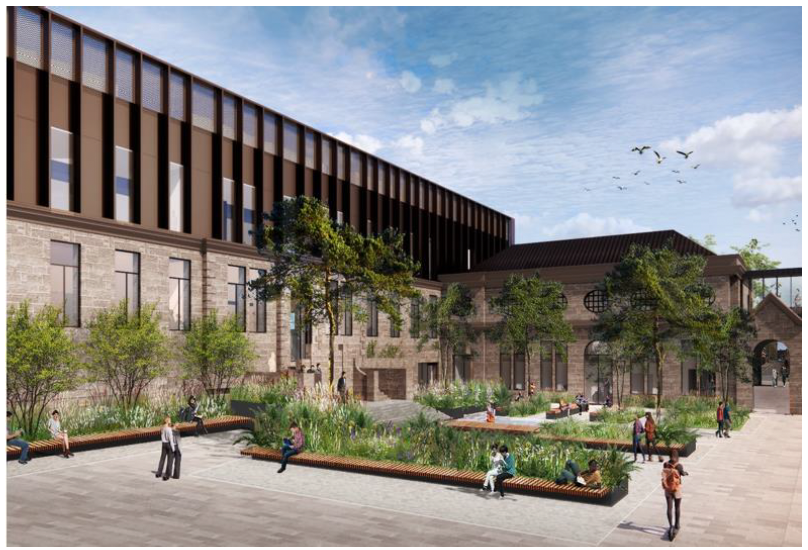
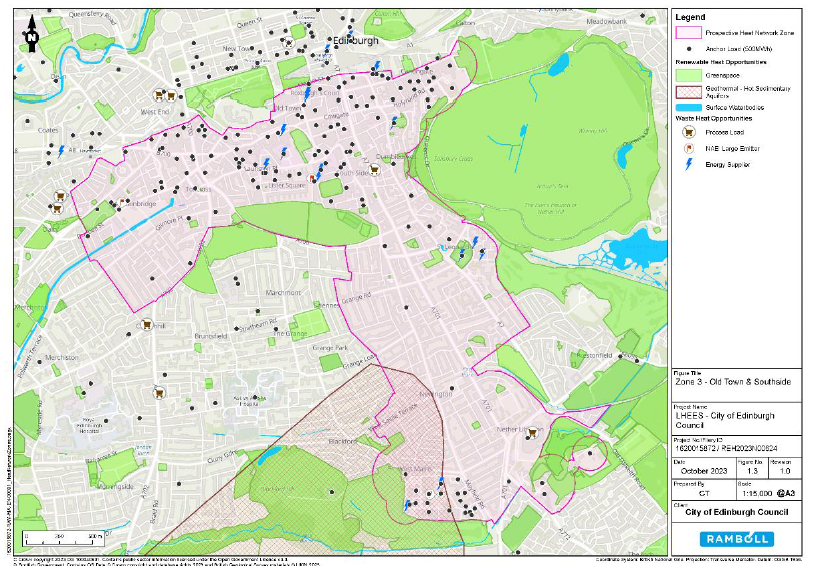
The detailed feasibility study is looking to determine whether a heat network located in the prospective heat network zone of the Old Town and Southside in Edinburgh is likely to be viable. Potential heat sources include two major sewers as well as the Duddingston Loch and the park surrounding Arthur’s Seat. Potential connections include council owned buildings such as Waverly Court, the City Chambers, Royal Mile Primary School, the Central Library, St Tomas of Aquin’s R.C. High School, Boroughmuir High School, and the Royal Commonwealth Pool.
Dumfries Town Centre
Lead organisation:
Dumfries and Galloway Council
Feasibility Summary
Metric / Value
Annual Heat Demand (GWh): 7.00
Total CAPEX (£m): 12.3
IRR (%): 4.7-10
Lifetime Carbon Savings (tCO2e): 77,000
Project stage:
Pre-capital – Detailed feasibility study
Technology type(s):
Proposed new heat network
Location:
Dumfries
Project timeframe:
Feasibility report completed March 2025.
Type of support:
£45,000 HNSU grant
Project description:
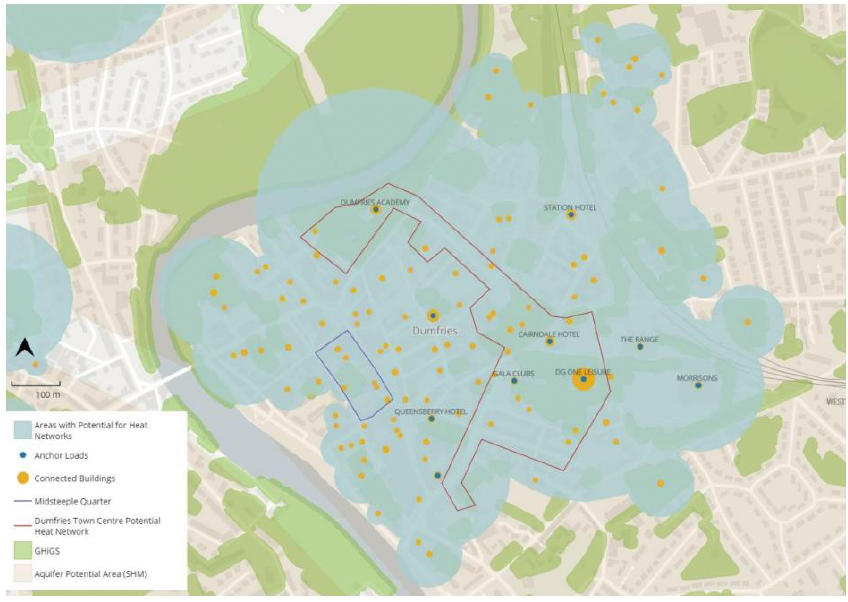
The detailed feasibility study is exploring a heat network opportunity aiming to provide clean heating to Dumfries town centre, in particular to decarbonise the Council assets. The proposed heat network could support the development of a wider spine of networks incorporating the proposed heat networks at Crichton Quarter and Midsteeple Quarter, as well as other buildings within close proximity.
University of Glasgow
Lead organisation:
University of Glasgow
Project stage:
Pre-capital – Detailed feasibility study
Technology type(s):
Extension of existing heat network
Location:
Glasgow
Project timeframe:
On-going
Type of support:
HNSU critical-friend support
Project description:
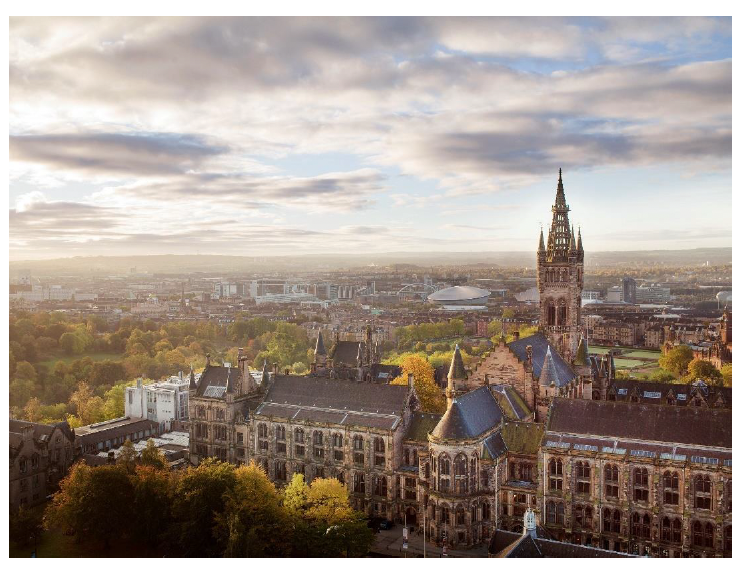
The University of Glasgow at Gilmorehill has an existing extensive heat network which currently serves 42 secondary heat centres, approximately 200 km2 of the University of Glasgow estate. It is expected to extend the network to serve an additional 50 km2 of existing estate and a similar area of new build over the next few years.
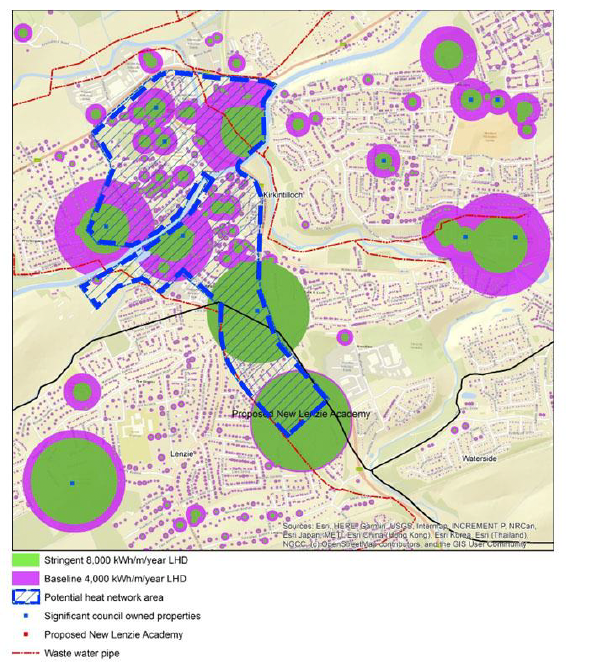
Kirkintilloch
Lead organisation:
East Dunbartonshire Council
Project stage:
Pre-capital – Detailed feasibility study
Technology type(s):
Proposed new heat network
Location:
Kirkintilloch
Project timeframe:
Feasibility report due March 2026.
Type of support:
Up to £50,000 HNSU grant
Project description:
The project’s objective is to undertake a detailed feasibility study to investigate the technical and commercial viability of the most promising heat network opportunity in East Dunbartonshire: Kirkintilloch Town Centre.
Alloa Forthbank
Lead organisation:
Clackmannanshire Council
Project stage:
Pre-capital – Detailed feasibility study
Technology type(s):
Proposed new heat network
Location:
Alloa
Project timeframe:
Feasibility report due March 2026.
Type of support:
Up to £50,000 HNSU grant
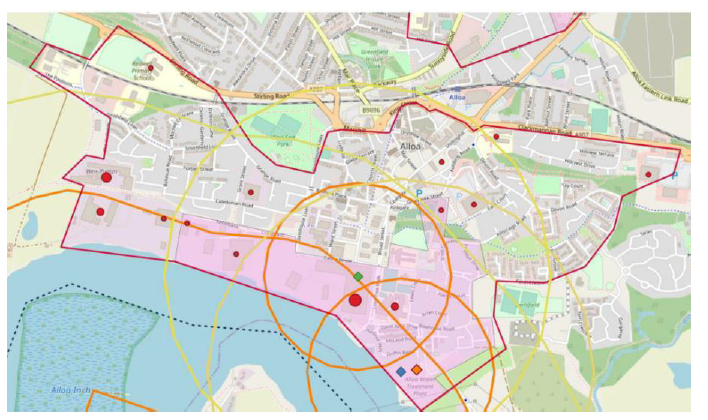
Project description:
Clackmannanshire Council is looking to carry out a feasibility study investigating a potential heat network in Alloa Forthbank. Pre-feasibility work assumes that a water source heat pump at the wastewater treatment plant would be the primary heat source. The Council is keen to explore more potential energy sources to ensure that the best source/s of energy for the heat network are adopted.
Edinburgh College
Lead organisation:
Edinburgh College
Project stage:
Pre-capital – Detailed feasibility study
Technology type(s):
Connecting to an existing heat network
Location:
Edinburgh
Project timeframe:
Feasibility report due March 2026.
Type of support:
Up to £40,000 HNSU Grant
Project description:
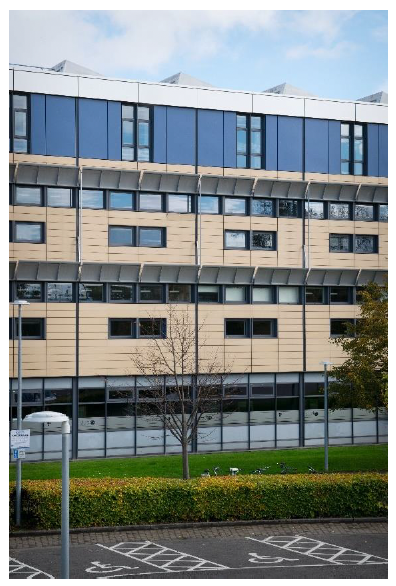
This project seeks to assess the technical, financial, and operational feasibility of connecting Edinburgh College’s Granton Campus to the Granton Waterfront District Heating Network and other alternative energy solutions that could be considered as more cost effective and/or deliver equivalent carbon reduction measure.
National Museums Scotland
Lead organisation:
National Museums Scotland (NMS)
Project stage:
Pre-capital – Detailed feasibility study
Technology type(s):
Connecting to an existing heat network
Location:
Edinburgh
Project timeframe:
Feasibility report due March 2026.
Type of support:
Up to £50,000 HNSU Grant
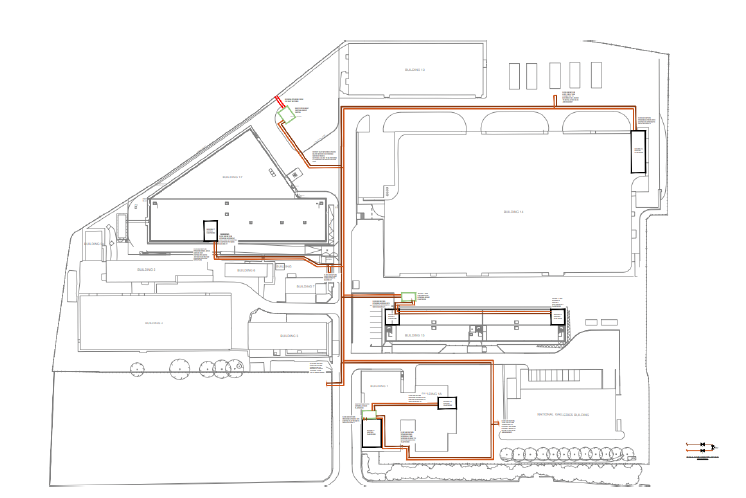
Project description:
This project will explore an options appraisal for connecting to Granton Waterfront Heat Network and how this would compare with other options such as air source heat pumps. The project will also aim to provide NMS with information to make an informed decision around the upgrade of the heating system at the National Museum Collection Centre and to assess the long-term operational running cost of using different heat sources.
Almada Street
Lead organisation:
South Lanarkshire Council
Project stage:
Pre-capital – Detailed feasibility study
Technology type(s):
Proposed new heat network
Location:
Hamilton
Project timeframe:
Feasibility report due March 2026.
Type of support:
Up to £50,000 HNSU Grant
Project description:
The objective of this project is to investigate the feasibility of a district heat network for the Almada Street area in Hamilton, revisiting the previous feasibility study carried out by Buro Happold in March 2023. There is a significant change in the scope of this new feasibility study as it is to include adjacent commercial and industrial properties along the length of Bothwell Road, as well as additional public sector buildings in the area owned by the NHS, SFRS, and Scottish Courts. The feasibility study would also look at the area to the east of Almada Street, to take in Hamilton Palace Grounds and the David Lloyd Fitness Centre.
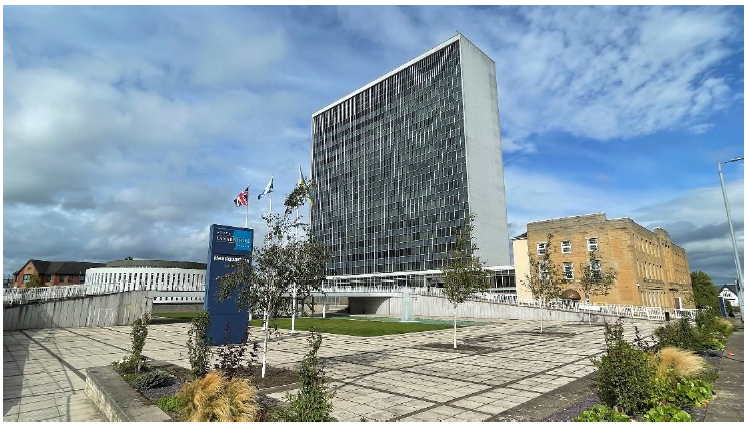
Forthside Expansion
Lead organisation:
Stirling Council
Project stage:
Pre-capital – Detailed feasibility study
Technology type(s):
Extension of existing heat network
Location:
Stirling
Project timeframe:
Feasibility report due March 2026.
Type of support:
Up to £50,000 of HNSU Grant
Project description:
The objective of this project is to investigate the feasibility for expansion of Stirling Council’s existing heat network at Forthside to more end users, add an additional heat source(s) and improve the efficiency of the network.
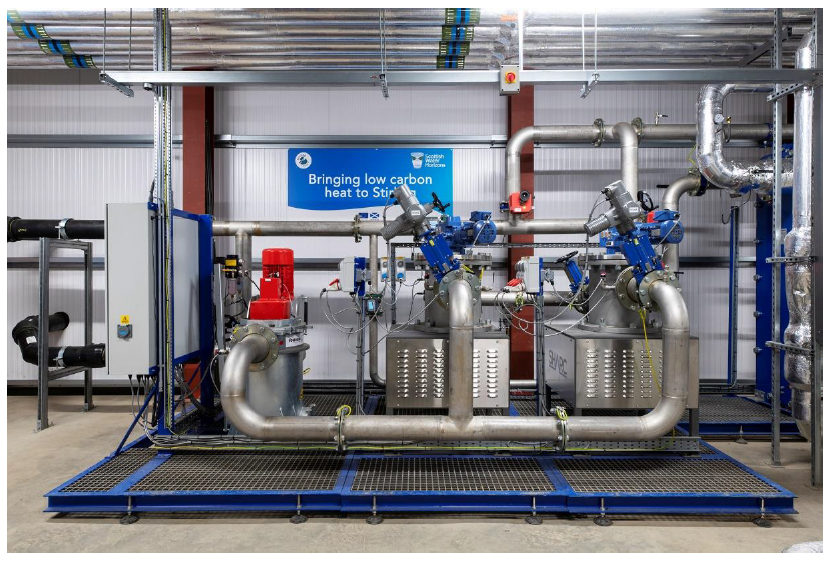
Edinburgh BioQuarter
Lead organisation:
NHS Lothian
Feasibility Summary
Metric / Value
Annual Heat Demand (GWh): 88.8
Total CAPEX (£m): 50.3
IRR (%): 8.1
Lifetime Carbon Savings (tCO2e): 44,800
Project stage:
Pre-capital – Outline Business Case
Technology type(s):
Connecting to existing heat network
Location:
Edinburgh
Project timeframe:
Feasibility study completed May 2023. OBC underway.
Type of support:
HNSU Grant support
Project description:
The objective of this project is to develop and consider the business case for connection of the Royal Infirmary of Edinburgh (RIE) and Royal Hospital for Children and Young People and Department for Clinical Neurology (RHCYP & DCN) and the new Princess Alexandria Eye Pavilion to the Midlothian Energy Limited (MEL) heat network.
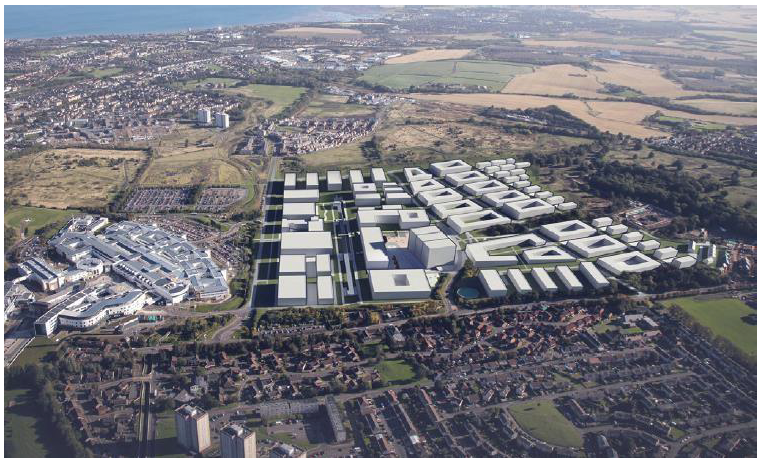
Dalmarnock Village
Lead organisation:
Glasgow City Council
Project stage:
Pre-capital – Detailed feasibility study
Technology type(s):
Expansion of existing heat network
Location:
Glasgow
Project timeframe:
Feasibility report due March 2026.
Type of support:
Up to £50,000 of HNSU Grant
Project description:
The objective of the project is to complete a feasibility study into the decarbonisation and expansion of the Dalmarnock Village heat network in the east end of Glasgow. The Dalmarnock Village is owned by Glasgow City Council and as such is a key strategic asset that will influence the deployment of district heating across the city.
Contact
Email: HeatNetworkFund@gov.scot