
Anti-racism delivery plan 2026-2030: Easy Read
Easy Read version of our Delivery Plan, seting out a clear vision for an anti-racism Scotland: to build a Scotland that actively tackles racism, and where equity, justice, dignity, and respect are upheld for all communities. Systemic change will be led by government and shaped by communities.
The work in the plan
The Anti-Racism Delivery Plan 2026 to 2030 shows Scotland’s commitment to anti-racism across government and public services.
Public services are services we all use like schools, hospitals and councils.
The plan:
- builds on the first 10 years of work of the Race Equality Framework which began in 2016
- responds to the evidence, learning and feedback we have gathered in recent years

- deals with issues that communities have told us about including:
- having too many consultations
- making sure that work keeps happening and is completed on time
- having stronger accountability – this means there are people and organisations who are responsible for doing the work in the plan
- the need to have good partnerships with different organisations working well together


We want to see a Scotland:

- that is committed to ending racism
- that makes sure there is equality, justice, dignity, and respect for all communities

Justice means being treated fairly by the police and courts.
Dignity means being treated in a way that is as thoughtful as possible.

Everyone must experience fairness and inclusion – this means everyone can take part and have the same choices and chances.
Change will:

- be led by government
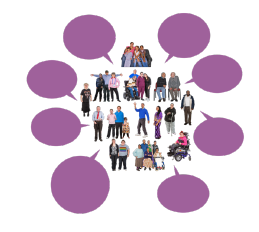
- happen by working with communities to find out what they need and want
- happen through policies and ways of working across public bodies and in communities

Policies are how we want to make things happen.

Since 2016 the Scottish Government has done a lot of the work from the Race Equality Framework and 2 action plans including:

- an Anti-Racist Employment Strategy to make sure people are treated fairly when looking for a job
- an Anti-Racism in Education Programme to:
- make sure that staff work in ways that are anti-racist

- work towards having a diverse workforce – this means a mix of different kinds of people including people from different ethnic backgrounds
- The Cabinet Secretary for Health and Social Care made a public anti-racism statement that:

- recognised that racism affects people’s health
- said that anti-racism must be part of all health and care services
NHS Boards are developing and delivering anti-racism plans for the workforce and patient care.

- laws on hate crime and policing have changed and been made better
- the Anti-Racism Observatory for Scotland will help deal with racism in the Scottish Government and across public services

These successes show that the Scottish Government is committed to change.
We know that to keep work going well and to make changes that last:



- work must happen on time
- people must know who is leading on the work and who is responsible for making the work happen
- we must work with good facts, figures and information
- we must have ways to check if work is going well
- we must have good community partnerships that include:
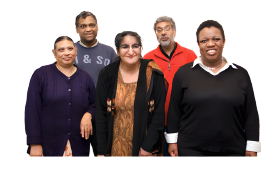
- people with lived experience - this means the things people know because of what they have experienced

- ways of working with people from different communities
This Delivery Plan has 5 themes:
1. Deliver in partnership

- work with communities and people with lived experience
- strengthen governance - this means:
- the rules about ways of working
- how decisions are made
- sharing responsibility for making the work happen
2. Coordinate - make sure the different parts of the plan work well together

Build capacity – this means how well we work and how much work we can do
- have better connections across government departments
- give training and guidance
- make sure that all organisations are setting outcomes and reporting in the same way
An outcome is what we want to see happen.

3. Have clear ways to check if work is going well

- Develop ways to report how well work is going and the difference it is making.
4. Follow international rules and laws

- protect human rights
- follow local and national standards and laws
5. Work with Gypsy/Traveller communities

- make sure work keeps happening on:
- accommodation
- health and education
- and anti-discrimination

- building trust
- dealing with exclusion – this means making sure that people from Gypsy/Traveller communities can access services and have the same choices and chances as everyone else
The Anti‑Racism Observatory for Scotland is a national centre of expertise and will support change to happen by:
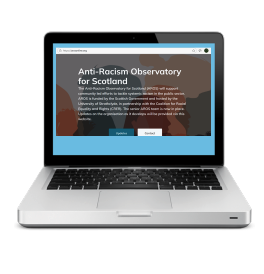
- making sure that government and public services use good evidence and know who is responsible for work that is being done

- having ways to ask useful questions, and test ideas and decisions

- bringing together data, evidence and lived experience to:
- support good decisions to be made
- make information clearer
- make sure work is done and change happens

- making better anti‑racism policy and ways of working across Scotland

The Plan has commitments from different government departments so that anti-racism is part of all government work.

Policy areas will:
- set outcomes that can be checked
- report on how well work is going
- check actions regularly and change them if needed

The commitments follow the 6 Race Equality Framework themes.
1. Everyone’s work
- having better governance
- having equality and human rights at the centre of all work
- having better data about ethnicity
- making sure people know who is responsible for each part of the work
2. Communities and safety

- dealing with hate crime
- making police and court systems better
- encouraging communities to be inclusive
3. Inclusion

- having more people from different backgrounds and ethnicities in public services
- working with communities to make better policies
4. Education and lifelong learning

- making sure that anti-racism is at the centre of education
- dealing with what makes it difficult for some people to do well in education and get qualifications
- having leaders from different backgrounds and ethnicities
5. Employment and income


- dealing with discrimination in the workplace
- supporting fair work
- dealing with child poverty – this means children living in a household where is not enough money coming in from jobs or benefits
6. Health and housing

- making sure that healthcare services are available to everyone
- improving mental health support
- having better housing including for Gypsy/Traveller communities

These actions set a clear path for the next 4 years.