
Scotland's draft Climate Change Plan 2026-2040: equality impact assessment
Equality impact assessment of the draft Climate Change Plan (CCP) 2026 to 2040.
4. Assessment of Impacts
4.1 Introduction
This section uses the evidence presented in the previous section to assess how the Scottish Government has paid due regard to the Equality Impact Assessment in the development of the draft Climate Change Plan and how the draft Climate Change Plan potentially impacts on socio-economically disadvantaged groups.
This section contains an overarching assessment of the suite of draft Climate Change Plan policies and proposals as a whole, considering the rationale for change and the potential impact on protected characteristics.
The effect on employment is considered and detail on how this aligns with the duty to pay due regard to the PSED is provided.
The assessment concludes with an analysis of the policies and proposals within each discrete sector, considering whether the implementation of the policy or proposal could disproportionately impact protected groups, and whether measures are in place or are planned to suitably mitigate such risks. Measures which take into account opportunities for inclusive growth are noted as evidence which indicates paying due regard to the PSED.
4.2 Draft Climate Change Plan – Overarching Issues
Rationale for Change
It is highly likely that the “do nothing” approach to climate change mitigation in Scotland would not effectively contribute to international efforts to limit global warming, in line with the Paris Accord. An absence of coordinated global action is highly likely to lead to further global warming and disproportionately adversely impact people in Scotland who share protected characteristics. In particular:
Productivity of agriculture: Climate change poses a number of threats from the more variable and extreme weather to the spread of pests and diseases. This would increase the cost and quality of agricultural output and household food. This could disproportionately negatively impact protected groups who are more likely to face relative poverty and have health conditions, particularly those living in remote or rural areas.
Availability and quality of water: As the climate warms and rainfall patterns change, there may be increased competition for water between households, agriculture, industry and the needs of the natural environment. Summer droughts are becoming more frequent and more severe causing problems for water quality and supply. The correlation with socio-economic circumstance (including geography) and protected characteristics could mean decreased access to water. Water rationing could also disproportionately affect people with health conditions.
Increased risk of flooding: Climate change will increase the intensity and frequency of heavy rainfall and flooding in future. This will impact on properties and infrastructure – with serious consequences for people, heritage, businesses and communities. Many protected groups are economically less resilient through reduced access to insurance and living in substandard housing. Flooding could affect where people live and could displace protected groups in communities.
Increased risk of wildfires: The changing climate heightens the risk of wildfires across Scotland, as we have seen throughout recent years. Wildfires release carbon into the atmosphere, can damage or destroy sensitive and rare habitats, can kill species and pose a significant risk to people and property. Wildfires may disproportionately affect people with protected characteristics, particularly those who are older or disabled. These may face greater barriers to evacuation, access to information, and recovery support, increasing their vulnerability to environmental hazards and potentially exacerbating their existing inequalities.
Business reliance: Climate change and associated extreme weather is likely to disrupt transport, energy and communication networks in Scotland and around the world. This could impact on markets, affect supply chains and raise insurance costs, which could disproportionately impact protected groups.
Health and well-being: A warming climate could affect patterns of disease and other health issues. Climate change and associated extreme weather may disrupt the lives of individuals and communities, limiting access to vital services and impacting on people’s physical and mental health. This could disproportionately impact protected groups by exacerbating existing health conditions and reducing access to health care.
Overarching impacts
Taken in totality, the draft Climate Change Plan policy package is likely to positively impact people who share protected characteristics as it mitigates the likelihood of events which could have disproportionately negative impacts on people who share protected characteristics.
4.3 Workforce and Economic Considerations
4.3.1 Just Transition
Under the Climate Change Act (Scotland) 2009, there is a requirement for the Climate Change Plan to explain the impact of our policies and proposals on communities, with reference to the just transition principles. The Plan therefore highlights where policies and proposals will have significant implications for particular groups in society, and the action that Scottish Government is taking to address these implications. Essentially, it sets out the Scottish Government’s approach to achieving net zero in a way which is fair and just.
At the heart of our approach is a recognition that, if we fail to manage it properly, the transition has the potential to disproportionately affect those in our society who already face inequities. Equally, the policies and proposals in the Plan offer enormous benefits that we are determined to ensure are distributed fairly, in order to support equal opportunities and tackle inequality.
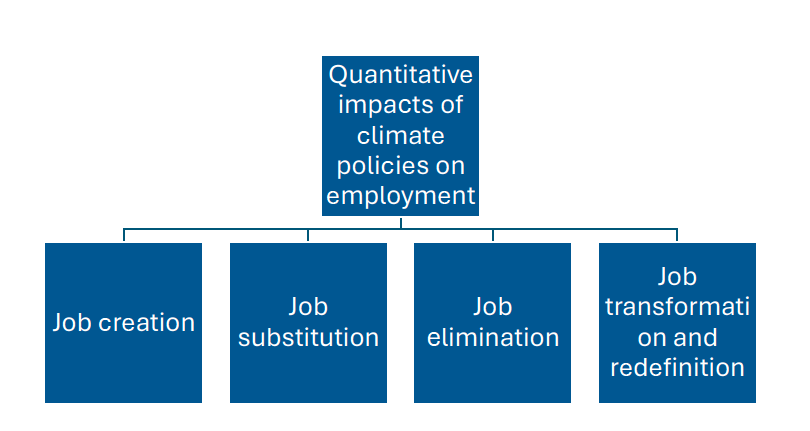
A core element of a just transition is protecting and creating employment as industries decarbonise. Without action, deindustrialisation could significantly impact jobs in local communities. Scotland’s energy intensive industry sites and skilled workforce are valuable assets. Leveraging them to drive the transition to net zero will enhance industrial competitiveness and development. Key pathways such as CCUS, electrification, and hydrogen will safeguard existing jobs and create new ones. However, a shortage of skilled workers could hinder the rollout of low-carbon technologies and deter investment. We are committed to helping the workforce seize these opportunities.
New sustainable jobs will emerge, requiring both new and transferable skills. Many of these already exist within Scotland’s workforce and can be adapted with the right support and investment. To address these challenges, we are strengthening regional approaches to skills planning.
Relevance of PSED
While the transition to a greener economy is expected to deliver net overall benefits, there may be variations in the ease with which individuals can adapt to employment changes. These variations may be related to and intersect with protected characteristics. There are issues of occupational segregation in many sector industries which will be affected by adaption. For example, farming is dominated by older males and the policies and proposals in the agriculture sector of the Climate Change Plan may disproportionately adversely impact upon them. It remains important to monitor and mitigate any unintended consequences through inclusive policy design and targeted support for affected groups.
The EHRC Guidance on Assessing Impact advises that in the event of adverse impact, listed authorities should introduce additional measures to mitigate any potential negative impact.
Meeting the PSED
There is good evidence that the application of Just Transition principles, in combination with the Scottish Government commitment to just transition planning, will ensure suitable mitigation measures and due regard to the need to advance equality, eliminate discrimination and promote good relations by:
- So far as possible mitigating the risks for those most vulnerable.
- Ensuring the benefits of the transition are seized and distributed fairly.
- Seizing opportunities to address existing inequalities.
4.3.2 Burden of Cost
The costs of failing to mitigate against the effects of climate change are likely to be significantly larger than those associated with decarbonisation. Increasingly frequent and severe extreme weather events have demonstrated the damage that could be caused by higher temperatures, heatwaves, floods, and wildfires. These highlight the profound socio-economic and environmental consequences of inaction, with potentially disproportionate impacts on vulnerable communities in Scotland.
While it is anticipated that investment in decarbonisation through the policies and proposals in the draft Climate Change Plan should ultimately have overall economic benefits, the transition will inevitably involve upfront costs related to infrastructure upgrades, behavioural shifts, and technological deployment. There is uncertainty in transition costs, which could be affected by factors such as advances in technology, the speed of behavioural change and areas of reserved competence[69].
Relevance of the Public Sector Equality Duty (PSED)
People who share protected characteristics are often at higher risk of socio-economic disadvantage. There are variations in employment rates, income and risks of poverty for certain protected groups. Notably, it is clear that there are differences in the way people who have protected characteristics experience energy poverty, particularly with regards to age, disability, sex, race and pregnancy or maternity. Given the extent of the persistent inequalities, decision making should pay due regard to the need to advance equality and equity by promoting inclusive outcomes and eliminate discrimination for groups with protected characteristics.
Meeting the PSED
Ensuring that costs do not disproportionately disadvantage certain groups is a cross-cutting theme of the draft Climate Change Plan and there is good evidence that the Scottish Government has paid due regard to the need to advance equality, eliminate discrimination and promote good relations for protected groups who are often at higher risk of socio-economic disadvantage.
4.4 Sectors
4.4.1 Business and Industrial Process (including NETs)
Business and Industrial Process/NETs Outcome 1: Scotland’s industrial sector will be on a managed pathway to decarbonisation, whilst remaining highly competitive and on a sustainable growth trajectory.
Business and Industrial Process/NETs Outcome 1 Policy 1 (Existing): Continue to engage with UKG on the UK ETS: The UK Emissions Trading Scheme (ETS) is a carbon pricing system that caps emissions from energy-intensive industries, aviation, and power generation. Companies must hold allowances for every tonne of CO2 they emit, which they can buy, sell, or trade. Over time, the cap tightens, indirectly driving down emissions. The ETS is key for supporting net zero goals. The scheme is developed and managed by the UK ETS Authority, comprised of the four governments of the UK. The ETS Authority published its intention to include engineered greenhouse gas removals into the ETS from 2029. This aims to support net zero targets and incentivise the uptake of carbon removal technologies—such as direct air capture with geological storage—by providing an UK ETS allowances for each tonne of CO2 successfully stored. However, without proper investment in carbon capture and storage sites, the ETS will not promote by itself uptake in these technologies.
Business and Industrial Process/NETs Outcome 1 Policy 2 (Existing): Continue to deliver a Scottish Industrial Energy Transformation Fund (SIETF) to support the decarbonisation of industrial manufacturing through matching private funding for specific energy efficiency projects.
Business and Industrial Process/NETs Outcome 1 Policy 3 (New): Explore a new industrial decarbonisation programme to incentivise further investment and accelerate the pace of transformation for industry.
Business and Industrial Process/NETs Outcome 1 Proposal 1 (Existing): Continue to support the Renewable Heat Incentive (RHI), a scheme created by UK Government: The Renewable Heat Incentive (RHI) is a Great Britain-wide scheme created by the UK Government (with the agreement of the Scottish Government) which will continue to support the decarbonisation of public buildings by providing existing installations already accredited and meeting obligations with payments.
Business and Industrial Process/NETs Outcome 1 Policy 4 (Existing): Continue to deliver the Grangemouth Future Industry Board (GFIB) to coordinate public sector initiatives on growing economic activity at the Grangemouth industrial cluster, whilst supporting its transition to our low carbon future.
Business and Industrial Process/NETs Outcome 1 Policy 5 (New): Work with the UK Government to develop a framework for demand-side measures to increase the market for low carbon industrial products.
Business and Industrial Process/NETs Outcome 1 Policy 6 (New): Support the Scottish Environment Protection Agency (SEPA) in using existing regulatory powers to drive energy efficiency across priority sites.
Business and Industrial Process/NETs Outcome 1 Proposal 2 (New): Support the reduction of fossil fuels in chemicals and manufacturing through research and innovation, providing support for certain infrastructure and considering how to grow the market.
Scottish Industrial Energy Transformation Fund (SIETF)
The individuals and businesses primarily impacted by SIETF are the industrial sites who receive support through the SIETF. Other sites within the industrial manufacturing sector will benefit from publicly shared knowledge about the SIETF projects, which has the potential to influence further investment. Those engaged in the design, construction, and delivery of the SIETF projects, and supply chains, will be affected by increased available work. Local communities who are adjacent to the impacted sites may be impacted by potential construction or renovation, but this is expected to be minimal to negligible.
The SIETF provides the following changes and benefits:
1. It contributes directly to the emissions reduction goals by cutting industrial emissions at source (measured in CO2e).
2. It accelerates investment in low-carbon technologies, enabling companies to act sooner while supporting and protecting existing jobs.
3. It improves the financial options for low-carbon alternatives by helping to level the playing field against more carbon-intensive options.
4. It demonstrates the feasibility and value of transitional or transformational technologies, paving the way for broader adoption.
While these policies will affect people in Scotland, they will not have significantly different impacts or directly create inequalities for any of the protected characteristics. There are no apparent impacts on people with protected characteristics have not been identified. The SIETF is wholly aimed at supporting industrial sites to decarbonise.
The SIETF pays regard to the PSED as it applies Fair Work First (FWF) criteria when evaluating projects. All companies that receive funding must comply with FWF practices in accordance with Scottish Government fair and inclusive workplaces policy[70].
The SIETF involves close collaboration with Scotland’s enterprise agencies which helps ensure the opportunities and people benefits from the SIETF are shared across Scotland’s regions. Direct effects on other organisations includes with Scotland’s enterprise agencies, through sharing data, insight and analysis which helps inform further policy design, strategies and funding decisions.
As the fund enters its final year there is no opportunity to review the operational phase with regards to advancing equality. However, insights and evidence from delivery will help inform the design of any future programmes.
Business and Industrial Process/NETs Outcome 2: Technologies critical to further industrial emissions reduction (such as carbon capture and storage and storage and the production and use of hydrogen) are operating at commercial scale in the 2030s.
Business and Industrial Process/NETs Outcome 2 Policy 1 (Existing): Continue to support the delivery of the Acorn Transport and Storage (T&S) Project and the Scottish Cluster.
Business and Industrial Process/NETs Outcome 2 Policy 2 (Existing): Continue to support and develop Carbon Capture Utilisation and Storage (CCUS) in Scotland through continued collaboration with the UK Government to create the policy and regulatory frameworks required to support CCUS at scale.
Business and Industrial Process/NETs Outcome 2 Enabling Policy 3 (New): Support planning, permitting and consenting processes to ensure they work effectively for the development of carbon capture projects.
Business and Industrial Process/NETs Outcome 2 Enabling Proposal 1 (New): Engage with the UK Government, Ofgem and the National Energy System Operator (NESO) on actions to help facilitate quicker electricity grid connections for Scottish industrial electrification and to reduce the cost of electricity for industry.
Business and Industrial Process/NETs Outcome 2 Enabling Proposal 2 (New): Support knowledge sharing across industry and academia to raise awareness and understanding of technical opportunities and innovations for decarbonisation.
Business and Industrial Process/NETs Outcome 2 Policy/Proposal 3 (Existing): Support the development of the emerging hydrogen sector in Scotland to maximise the ‘new industry’ benefits that the production of hydrogen could bring to Scotland.
Business and Industrial Process/NETs Outcome 2 Enabling Policy/Proposal 4 (Existing): Replicate and scale-up demonstration projects and the evidence base for hydrogen-based technologies
Business and Industrial Process/NETs Outcome 2 Proposal 5 (New): Undertake development work to increase our understanding of the viability of nearshore carbon storage in Scotland.
Business and Industrial Process/NETs Outcome 2 Proposal 6 (Existing): Continue to explore and understand the potential of Negative Emissions Technologies (NETs) in Scotland to develop clear NETs ambitions.
Carbon Capture Utilisation and Storage (CCUS)/Acorn and Negative Emissions Technology (NETs) policies
Those affected by the policies and proposals in this outcome include:
- Industries which are large carbon emitters – heat and energy production facilities (for example oil and gas terminals), cement production and chemicals and manufacturing.
- Local communities located near large industrial facilities which are likely to deploy carbon capture technology.
- Local communities located near facilities that are likely to utilise NETs, such as whisky distilleries and other food and drink production facilities.
- Those employed in the above industries.
- Workers and supply chains involved in the construction of new infrastructure.
There are health benefits of these policies and proposals including reduced pollution levels will have positive effects on health, particularly for communities near industrial sites. The policies and proposals will also have a positive environmental impact through reduced carbon emissions, contributing to global efforts of climate change mitigation. The policies and proposals will contribute to economic growth in Scotland as the Acorn Project will secure highly skilled jobs and will utilise and transition existing skills. Further, the Scottish Cluster Economic Impact Assessment[71] predicts that the cluster will support 4,700 long term jobs, peaking at 10,800 jobs during the construction and development phase, in addition to safeguarding jobs in other sectors.
These policies and proposals will affect service users, employees and the wider community:
Employees: Workers in the industries will be impacted – this includes those currently employed in the oil and gas sector who may transition into carbon capture technology or NETs roles and new workers who will join the workforce.
Service users: the policies do not directly target public service users, but they will be affected in the same way as the wider community.
Wider community: those in the regions where carbon capture technology and NETs infrastructure will be deployed will experience the benefits of long-term employment and improved public health outcomes but may see negative impacts during construction, such as increased traffic, noise and pollutants.
The scale of the impact is national; however, there will be regionally differentiated impacts in areas where large scale industries are located.
These policies and proposals are likely to have significant effects on the operations of a range of organisations, particularly those involved in energy, industry, infrastructure, and environmental regulation. Alignment across industry, businesses, regulators and funding initiatives will be required to support the deployment of carbon capture and NETs technologies to meet national climate targets.
Agencies such as the Scottish Environment Protection Agency (SEPA), North Sea Transition Authority (NSTA), Health and Safety Executive (HSE), Marine Scotland, Ofgem, the Offshore Petroleum Regulator for Environment and Decommissioning (OPRED) and local and national planning authorities will be involved with the Acorn Project and CCUS deployment. NETs deployment will require similar.
These policies and proposals do not directly relate to specific areas of inequality, or impact specifically upon a particular protected characteristic, however, evidence[72] shows that there are fewer young people, women, disabled or those with a lower socioeconomic background employed in the industry.
There are specific research gaps around the scalability of NETs with further work needed to understand the skills transition required, including the scope and design of new infrastructure.
It is difficult to find data that directly explores the intersection between equality considerations and NETs. Mitigation can be undertaken through engagement with eNGOs regarding policy position, including engaging on topic of equality implications of the policy area.
Supporting policies and proposals in the Business and Industrial Processes Sector Package (excl. CCUS/Acorn, NETs and SIETF) across both outcomes
Those affected by these policies and proposals include:
- Industries and businesses who produce lower carbon industrial products, such as in the chemicals and manufacturing sectors.
- Consumers or industrial products, or products that will become lower carbon, such as energy efficient appliances or reusable packaging.
- Supply chains and service providers.
- Operators/businesses within the UK ETS.
- All industries and businesses – including chemicals, cement and manufacturing – impacted by fuel switching or energy efficiency measures.
- Those employed in the above industries and businesses and their wider local communities.
These policies and proposals are required to support decarbonising industry which is a significant contributor to national greenhouse gas emissions. In 2023, 17.6% of emissions came from industry, emitting the equivalent of 7.0 million tonnes per year.[73] The policies and proposals are required for Scotland to reduce emissions and meet its net zero objectives (net zero by 2045).
The benefits of these policies and proposals include:
- Health: lower pollution levels resulting from reduced industrial emissions.
- Environmental impact: reduced carbon emissions will contribute to global efforts of climate change mitigation.
- Economic growth: positioning Scotland as a leader in green innovation and manufacturing will attract investment and jobs and help grow the economy.
- Innovation: supporting the development of low-carbon products and innovation in manufacturing will foster innovation and offer alternative products for businesses and consumers.
- Energy efficiency: measures to improve energy efficiency will provide cost effective ways to cut emissions, optimise resource use, and reduce long-term costs for both consumers and businesses.
- Fuel-switching: moving to lower carbon energy sources such as hydrogen and electrification will help reduce energy costs over time and enhance energy security.
These policies and proposals relate to areas where known inequalities exist, such as fuel poverty and energy pricing and regional disparities in industrial employment, Vulnerable groups – including low-income households, older people, disabled individuals, and some ethnic minorities – may be disproportionately affected by changes in energy costs.
While there may be impacts on individuals with protected characteristics, the policies and proposals are still in the earlier stages of development. A number of gaps remain across these policy areas. These include, but are not limited to:
- There is limited research on the distributional and demographic impacts of the UK Emissions Trading Scheme (UK ETS), particularly in Scotland.
- There is a lack of evidence on how industrial decarbonisation policies affect specific equality groups such as women, disabled people, and ethnic minorities in traditional sectors.
- Few studies assess how access to innovation funding and low-carbon manufacturing support varies by business ownership or workforce diversity.
- Disaggregated data is lacking on how fuel switching and energy efficiency policies impact vulnerable groups, including disabled people, ethnic minorities, and those in rural areas.
- Environmental inequality mapping in Scotland remains incomplete, especially in relation to air quality, heat stress, and other health-related climate impacts on protected groups.
- There is no standard framework for monitoring and evaluating equality outcomes across climate and industrial transition policies.
- Lived experience and community-led research are underused in shaping just transition planning, particularly in affected industrial regions.
- There is limited evidence on what constitutes effective, equitable local transition support in the Scottish context.
These gaps will be mitigated by:
- Commissioning targeted research to explore how specific policies (for example ETS and fuel switching) impact people with protected characteristics.
- Disaggregating data collection by region, income and equality groups across funded programmes and regulatory reporting.
- Integrating equality indicators into monitoring and evaluation frameworks from the outset of policy design and delivery.
- Engaging with marginalised and underrepresented groups directly through accessible consultation, co-design and lived experience research.
- Strengthening equality guidance and accountability requirements for delivery partners and implementing bodies, even where impacts are indirect.
- Pilot place-based inclusive interventions in high-impact areas (for example Grangemouth, rural Scotland) to generate scalable evidence.
Equality has been considered throughout the development of these policies and proposals, but specific impacts have not been identified yet.
The policies and proposals primarily target industrial processes and infrastructure rather than individuals. Some aspects of certain policies and proposals – particularly energy efficiency and fuel switching – may have an impact on vulnerable groups but they are not developed enough to be fully assessed at this time. To ensure equality remains a key focus, future policy development will ensure ongoing equality screening, improve data collection to monitor impacts on protected groups and actively engage vulnerable communities in consultations.
4.4.2 Energy Supply
Energy Supply Outcome 1: By 2035, emissions will have reduced from thermal power generation to 0.4MtCO2e through the use of CCS, renewable power and alternative power means such as hydrogen.
Energy Supply Outcome 1 Narrative Policy 1 (New): Support the inclusion of energy from waste in the UK Emissions Trading Scheme (ETS).
Energy Supply Outcome 1 Key Policy 2 (New): Require new Energy from Waste (EfW) facilities to have an acceptable decarbonisation strategy aligned with Scottish Government decarbonisation goals, e.g. installation of carbon capture and storage (CCS) technology, or connection to Heat Network (National Planning Framework 4 (NPF4) Policy 12).
Energy Supply Outcome 1 Key Policy 3 (New): Encourage existing Energy from Waste (EfW) plants to retrofit CCS, working with the UK Government to develop a policy and funding framework to incentivise this, e.g. expanding the UK Government's existing Industrial Carbon Capture Waste Business Model to include new projects.
Energy Supply Outcome 1 Key Policy 4 (New): Incentivise advanced sorting and separating technologies for residual waste (e.g. to separate key recyclable material streams before incineration) where feasible, to be explored through the 2045 residual waste plan, and sector-led plan for Energy from Waste (EfW) decarbonisation, as part of wider efforts to end the unnecessary incineration of plastics.
Energy Supply Outcome 1 Enabling Policy 5 (New): Work with Scottish Southern Electricity Networks (SSEN) to reduce reliance on island diesel power stations through supporting establishment of new connections between islands and mainland; and explore the use of alternative, non-fossil-fuel based solutions to diesel for back-up supply, including the use of Hydrotreated Vegetable Oil (HVO) as a transition fuel and flexibility contracts.
Energy Supply Outcome 1 Enabling Policy 6 (New): We will continue to work constructively with the UK Government to ensure the Acorn Project and Scottish Cluster secure the fastest possible deployment, so that a just transition for our energy workforce can be secured, while delivering on net zero targets.
Energy Supply Outcome 1 Narrative/ Enabling Policy 7 (New): Work to influence the UK Government (e.g. through development of its Reformed National Pricing Delivery Plan) so that energy markets incentivise the building and use of both medium and long duration energy storage and grid flexibility assets (such as battery storage, pumped hydro and hydrogen production), as well as demand side including hydrogen production, Electric Vehicle (EV) smart charging and other smart appliances to use electricity during off-peak hours, helping balance the grid and reduce costs and emissions which in turn can reduce the need for energy from unabated fossil fuels.
Energy Supply Outcome 1 Narrative/ Enabling Policy 8 (New): Work with the UK Government and the National Energy Systems Operator (NESO) on the Clean Power 2030 Action Plan (CP2030) and the Strategic Spatial Energy Plan (SSEP) to represent Scotland’s interests in reducing power sector emissions. Both of these aims to decarbonise the power system across Great Britain and plan a strategic approach to its deployment.
Energy Supply Outcome 2: Support the decarbonisation of Non-Road Mobile industrial and Construction Machinery.
Energy Supply Outcome 2 Proposal 1 (New): In addition, to Agriculture Outcome 2 Proposal 1, we will also work with industry and policy sectors to reduce emissions from non-road mobile industrial and construction machinery by investigating and promoting efficiencies, alternative fuels and technological developments and providing knowledge exchange, guidance and advice.
Scotland has made significant progress decarbonising the electricity sector, which is the next largest component of energy supply emissions after oil and gas supply. Electricity supply emissions (i.e. from power stations) have reduced from 14.7 MtCO2e in 1990 to 1.0 MtCO2e in 2023 (93.4 per cent reduction). Overall emissions reductions in this sector are mainly due to reductions in emissions as a result of the complete cessation of coal use for electricity generation in Scotland, and a reduction in fossil fuel generation more generally. Between 2022 and 2023 Electricity Supply emissions decreased by 0.8 MtCO2e (44.0 per cent increase). This decrease was largely due to decreased gas generation during 2023.
The decarbonisation of Scotland’s electricity sector has been driven by our rich natural resources, a supportive approach to planning, a drive to involve local communities in decisions that affect them, supportive market frameworks, and rapid reductions in prices of renewable technology globally - with wind and solar now the lowest cost forms of new generation. In fact, over the last two decades, Scotland has been generating more than half of its electricity from renewable sources. The total renewable electricity generation capacity at the end of December 2024 was 17.4 GW, up by 12.9% from the previous year.[74]
The energy transition is expected to impact a wide range of individuals and organisations in Scotland. Significant changes to the way energy is generated, distributed, and consumed will be required to achieve the long-term vision.
As a result, individual homeowners, tenants, businesses, workers in the energy industry and other energy-dependent industries, schools, care homes, and other public sector organisations will be affected.
There are several potential barriers to achieving the desired outcomes, for example the need for significant levels of investment and financing, planning and consenting timeframes, challenges in transitioning the workforce to green/low carbon jobs, the impact of climate change on the energy system's resilience, the need for action from the UK Government so that policy and regulation keeps pace with the unprecedented scale of change required to meet net zero.
There is limited detail available at this time for each individual action. This includes a limited ability to fully identify and assess potential impacts for the protected characteristic groups that may result from the introduction of each intervention.
The energy sector has historically been a male-dominated field, and its workforce continues to be unrepresentative of the population and workforce at large. On average, there are 76% fewer women than men working in the energy sector, a significant difference from the average 8% gap seen in the total workforce, according to 2018 data from 29 countries[75].
In the Scottish energy sector, it is estimated that just 25% of people (aged 16+) in employment are women[76].
The average gender wage gap conditional on skills in the energy sector among those countries is approximately -15%, meaning on average, when accounting for skill levels, women working in the sector earn 15% less than men. The non-energy sector has a slightly smaller wage gap of -13%.
If current trends in areas such as education and employment continue, BCG analysis indicates, climate mitigation and adaptation strategies as designed today could delay the attainment of gender equity by 15 to 20 years. This is largely because women are underrepresented in the fast-growth green economy and therefore are at a disadvantage in garnering new jobs, participating in reskilling, and gaining access to funding for green tech startups[77].
Key actions we are taking to address this disparity, in the energy sector and other transition sectors, include:
- Ongoing implementation of our national strategy to improve the teaching of science, technology, engineering and maths (STEM) in schools, colleges and universities, with a particular focus on encouraging more women and girls to pursue STEM subjects.
- Encouraging further measures from industry to address the underrepresentation of women in key sectors. This is a key proposal of our draft Just Transition Plan for Transport.
- Enabling actions to support more women into work, such as our early learning and childcare policies, and our support for workplace equality.
Putting equality at the heart of our reform of Scotland’s post-school education and skills system. We are exploring improvements in every aspect of the skills pipeline, from careers guidance, to apprenticeships, to the funding landscape.
It is expected that the policies and proposals in the Energy Supply sector will have an overall positive benefit.
It is expected that with energy decarbonisation, emerging opportunities will be presented to ensure the elimination of unlawful discrimination, harassment or victimisation based on age. However, decarbonisation of the energy sector may lead to the need for re-training which could indirectly discriminated against older workers.[78] There is a risk employers could be biased and discriminate against older workers. Employers might also not adopt age inclusive practices such as flexible working policies and ongoing support for health and wellbeing which can be particularly relevant to older workers.
Through our pioneering Just Transition Fund, the Scottish Government has been supporting upskilling, reskilling and the transferability of workforces to meet the needs of the net zero transition in the energy sector, both now and in the future.
It is anticipated that the delivery of the policies within the energy supply sector could have a positive impact on promoting good relations among different age groups by increasing awareness to understand the importance of climate adaptation, net zero and the just transition.
The policies do not directly address unlawful discrimination of disabled people, however, disabled people often find themselves in a precarious situation where they are unable to afford essential utilities, such as energy, which are critical to their well-being, mental health, and in some cases, their survival. This situation underscores a significant disparity and consideration of current support to ensure it is adequate to meet the needs of some of the most vulnerable members of society.[79]
The policies within the energy supply chapter do not currently include measures to promote the inclusion of disabled people in the energy labour market, but is underpinned by the Scottish Government’s Fair Work Action Plan: becoming a leading Fair Work nation by 2025.[80] This sets out how Scottish Government is working towards better Fair Work outcomes for all, including specific improvements in the experience of work and the workplace for disabled people.
Similarly, the action plan sets out how Scottish Government is working towards including specific improvements in the experience of work and the workplace for women. The implementation of flexible working options by employers – a measure promoted in Scotland’s Fair Work Action Plan[81] - could help to alleviate these issues for working mothers.
Women are underrepresented in the energy sector workforce and may face barriers to entry and advancement in the sector. Women entering the workforce, especially in the energy sector, can potentially confront several challenges, including the persistent issue of pay inequity and reduced access to STEM education and vocational training. Men may be more likely to work in energy-intensive industries, such as oil and gas, and may be more affected by the transition to renewable energy sources but also may benefit more than women, which has the potential to widen the gender pay gap.
The Scottish Government should continue to work with industry to address the barriers to female employment in green jobs, such as Equate Scotland’s Career Enhancement Programme.[82]
4.4.3 Heat in Buildings
Heat in Buildings Outcome 1: The heat supply to our homes and non-domestic buildings is very substantially decarbonised, with high penetration rates of renewable and zero emissions heating.
Heat in Buildings Outcome 2: Our homes and buildings are highly energy efficient, with all buildings upgraded where it is appropriate to do so, and new buildings achieving ultra-high levels of fabric efficiency.
Heat in Buildings Outcome 3: The heat transition is fair, leaving no-one behind and stimulates employment opportunities as part of the green recovery.
Heat in buildings Outcome 1 & 3 Policy 1, Proposal 1 & Proposal 2 (Existing) A target for decarbonising heating systems. We are setting a target to decarbonise buildings by 2045. By establishing and confirming a target for decarbonising heating systems by 2045, where reasonable and practicable to do so, we are sending a strong signal to homeowners, landlords and other building owners on the need to prepare for change. We will also publish, by the end of 2026, a Heat in Buildings Strategy and Delivery Plan which sets out the actions on the part of the Scottish Government and others which will be designed to enable and achieve this target (see below).
Heat in buildings Outcome 1,2 & 3 Enabling Policy 2 (Existing): Financial support for energy efficiency. We will enable progress towards our goal of decarbonisation, while reducing fuel poverty, by continuing to provide targeted advice and financial support for energy efficiency measures in homes through schemes such as Warmer Homes Scotland, our Area Based Schemes, the Social Housing Net Zero Heat Fund and our Home Energy Scotland Grant and Loan Scheme (see above). This will support the transition while targeting measures at those most at risk of fuel poverty. These measures will help reduce the cost of living pressures still being faced by too many.
Heat in buildings Outcome 2 & 3 Enabling Proposal 3 (New): Minimum Energy Efficiency Standards. We are considering options to introduce powers to set minimum energy efficiency standards for owner/occupier and non-domestic properties, subject to further consideration.
Heat in buildings Outcome 2 & 3 Enabling Policy 3 (Existing): Minimum energy efficiency standards for the Private Rented Sector (PRS). We are analysing the responses to our consultation on a minimum energy efficiency standard (MEES) in the domestic private rented sector (PRS), which our consultation proposed could apply to new tenancies from 2028 and all tenancies from 2033. Further to decisions on the consultation outcome, we intend to progress regulations using existing powers to introduce this MEES within this parliamentary term.
Heat in buildings Outcome 2 & 3 Enabling Policy 4 (New): Social Housing Net Zero Standard. We will review and complete work on our Social Housing Net Zero Standard in line with progress on the areas above – taking into account the standards and requirements established for other tenures through separate regulations.
Heat in buildings Outcome 1 & 2 Enabling Policy 5 (New): Energy Performance Certificate (EPC) Reform. We will introduce new Energy Performance Certificate (EPC) regulations in 2025 which will bring an improved EPC rating system into force in autumn 2026. That new rating system will accompany the introduction of the new Home Energy Model across the UK, and the establishment of a new EPC Register and operational governance framework in Scotland.EPCs are a modelled, standardised assessment process; so we are consulting on the development of a more detailed, bespoke Heat & Energy Efficiency Technical Suitability Assessment (‘HEETSA’) to make sure that the right measures are being installed – particularly for more challenging buildings like tenements or historic buildings.
Heat in buildings Outcome 1,2 & 3 Enabling Policy 6 (Existing): Delivery schemes. We will continue to deliver a programme of support schemes and advice services which are designed to support a wide range of groups to decarbonise heat in our buildings. We are committed to ensuring that support continues to be prioritised for those who need it most. We also recognise that the significant cost of moving to clean heating cannot be funded by the public purse alone. These support mechanisms will provide a platform for future progress, and will evolve alongside the role of private investment and finance.
Heat in buildings Outcome 1 & 3 Enabling Policy 7 (New): Heat Networks – new Heat Network proposals. We will boost heat network development by requiring large, non-domestic premises to move away from fossil fuel heating systems when they have the opportunity to connect to a heat network. We are also planning to introduce powers to create a new licensing system for heat network operators across Scotland which, if an application is approved, will provide new rights and powers like access to the roads which will reduce the time and cost associated with constructing and maintaining heat network projects. We will continue to support the development of these heat networks through funding and advice, such as our two existing schemes, Scotland’s Heat Network Fund and our Heat Networks Support Unit.
Heat in buildings Outcome 1 & 3 Enabling Policy 8 (Existing): Heat Networks -Heat Networks Support Unit (HNSU). The HNSU supports the development of heat network projects in Scotland. It does this by offering grant funding and expert advice throughout the pre-capital stages of development. We are working on building a project pipeline to meet our targets and to build capacity within the public sector to lead on, invest in and deliver heat network projects.
Heat in buildings Outcome 1 & 3 Enabling Policy 9 (Existing): Heat Networks - Scotland’s Heat Network Fund (SHNF). SHNF offers capital grants to businesses and organisations in the public, private and third sectors to develop heat network projects. It aims to support the roll-out of zero emission district heat networks and communal heating systems.
Heat in buildings Outcome 1,2 & 3 Enabling Policy 10 (New): Heat in Buildings Strategy and Delivery Plan.
Heat in buildings Outcome 1 & 3 Enabling Policy 11 (Existing): Future finance, including the Green Heat Finance Taskforce (GHFT). The independent Green Heat Finance Taskforce reports identified key barriers to the scale up of private finance provision as a lack of consumer demand and a shortage of a delivery ready project pipeline for initiatives to upgrade groups of properties collectively. However, it expressed confidence that the supply of private lending would increase to match consumer and project demand. We will respond to the Taskforce this year, setting out the early actions we have already progressed to raise understanding of the current clean heat financing landscape amongst mortgage advisors who engage directly with consumers, as well as steps we will take to explore the potential to create a market for innovative financing approaches.
Heat in buildings Outcome 1 & 3 Enabling Policy 12 (Existing): Local Heat and Energy Efficiency Strategies (LHEES). Our aim is to build on the existing LHEES, standardise where possible and create a streamlined and investible delivery route to underpin our Heat in Buildings Programme.
Heat in buildings Outcome 1,2 & 3 Enabling Policy 13 (Existing): Community And Renewable Energy Scheme (CARES). Community And Renewable Energy Scheme (CARES) provides advice and funding to communities across Scotland looking to develop renewable energy, heat decarbonisation and energy efficiency projects
Community And Renewable Energy Scheme (CARES) provides advice and funding to communities across Scotland looking to develop renewable energy, heat decarbonisation and energy efficiency projects.
The 2021 Heat in Buildings Strategy made clear that transforming how we heat our homes and buildings will touch the lives of almost everyone in Scotland. It will involve changes in our homes, places of work and community buildings as we upgrade and roll out new heating technologies and energy efficiency measures[83].
This EqIA is based on the following:
- The preparatory work undertaken in support of a proposed Heat in Buildings Bill.
- The Heat in Buildings Bill consultation EqIA conducted in 2023, and available here on the Scottish Government’s website.
- The Heat Networks (Scotland) Bill EqIA, conducted in 2020 and available here on the Scottish Government’s website.
- The Heat in Buildings Strategy EqIA, conducted in 2021, and available here: Heat in buildings strategy: equality impact assessment - gov.scot
The Heat in Buildings package of measures for the draft Climate Change Plan does not have a direct immediate impact on people with the protected characteristics (under the Equality Act 2010). However, future legislation and strategies stemming from these proposals may disproportionately affect individuals with the protected characteristics of age, disability and race.
Any potential impacts from any such legislation or strategies will be assessed by the Scottish Government during their development, and opportunities considered to minimise or mitigate any potential negative impacts. Effective communication tailored to the needs of different equality groups will be essential to ensure accessible information and better outcomes for all.
The target to decarbonise all of Scotland’s buildings by 2045 where reasonable and practicable is subject to certain exemptions which Ministers may choose to set out in regulations.This reflects the need for flexibility as buildings are decarbonised, as different properties will require different approaches.
Funding support from the Scottish Government and UK Government will be important, but individuals and non-domestic organisations may also need to access private financing to help spread the upfront costs of the transition to clean heating over time, for example through green mortgages or additional secured borrowing which have been increasing in availability over recent years. The Scottish Government will respond to the Green Heat Finance Taskforce’s Part 1 and 2 recommendations on these issues later this year, setting out the actions the Scottish Government will take and partners with whom the Scottish Government will work.
Future proposals could potentially have an adverse impact on older households. Evidence shows that older households are:
- more likely to be owner occupiers, whether with a mortgage or owned outright;
- less likely to be private renters;
- less likely to have a home that meets the highest energy efficiency rating (EPC C or higher).
Taken together this means that older households are more likely to be responsible for implementing future proposals than younger households. They may also have to spend more in the process as their homes are more likely to need more work to meet energy efficiency standards. A minimum level of energy efficiency is one of the proposals and often a prerequisite to installing clean heating. The evidence also indicates that these issues could be more pronounced in rural areas where there are more older people, compared to urban areas.
Evidence shows that there is a link between disability and tenure i.e. the proportion of disabled households living in socially rented accommodation is higher than that for all other tenure types. Scotland specific evidence further shows that Scotland has the largest gap in home ownership between disabled and non-disabled households across the UK. There is currently no available evidence on disability and the energy efficiency of people’s homes.
Future proposals are most likely to have a varying impact upon people in different tenures. There is also a difference in how the costs of the heat transition will be borne between tenure types i.e. in the socially rented sector the costs will be borne largely by landlords whereas in the homeowner tenure individuals themselves will bear the costs.
The evidence that is available suggests women are more likely to live in lone parent households, households with an unpaid carer and larger households. Lone parent households, which are more likely to be headed by women, spent a high proportion of their income on fuel, food and housing.
Women also experience more indirect costs due to informal caring responsibilities and are more likely to experience costs of living pressures than males.
More limited evidence suggests that women experience stress related to keeping their homes warm for children and that this is more acutely experienced by female single parent households.
No evidence has been found regarding sex and decarbonisation of heat or energy efficiency. We can say evidence shows that women, particularly when leading a single parent household, are more likely to experience pressure due to costs, including fuel costs. This means that women could be more likely to experience adverse effects if they must decarbonise their heating system as heat pumps currently cost more than gas boilers to run. There are also the high costs of installing a heat pump, and even some energy efficiency measures to consider.
Any negative impact on women, especially those who lead single parent households will have to be considered as part of the EqIA done for any future regulations and strategy.
The poverty rate has been consistently higher for LGB+ adults compared to straight / heterosexual adults. Any negative impact on LGB+ households will have to be considered as part of the EqIA done for any future regulations and strategy.
Some evidence suggests the households from a minority ethnic group are possibly more at risk of fuel poverty. Although other evidence suggests that rates of fuel poverty are similar in minority ethnic households and white households.
There is evidence that Gypsy Traveller and Roma communities are at risk of fuel poverty and have poor quality heating systems and energy efficiency. Any negative impact on ethnic minority households will have to be considered as part of the EqIA carried out for any future regulations and strategy.
Muslim adults were more likely to be in relative poverty (53%, 50,000 each year) than adults overall (19%), after housing costs were taken into account. Any negative impact on Muslim households will have to be considered as part of the EqIA done for any future regulations and strategy.
Summary
This section considers a wide range of sources to ensure a comprehensive understanding of potential high-level impacts across protected characteristics on the topics of heating, house conditions and fuel poverty, and is limited to high-level content ahead of confirmation on next steps for legislation / regulations or strategy development affecting heat in buildings. Further and more detailed EqIA consideration will be undertaken as part of any such future legislation or strategy development.
4.4.4 Agriculture
The desired outcomes of the policies and proposals will result in Scottish agriculture becoming more sustainable and regenerative while continuing to produce high-quality food for the nation and helping to reduce GHG emissions. We will know the success if:
- GHG emissions within agriculture continue to fall.
- The way land is used changes.
- If more farms and crofts start to integrate trees, while restoration of agriculture peatland increases.
- The update of animal health and welfare practices increase.
- The uptake within the industry to gain knowledge, skills, and learning increases.
- More farms to receive payment support undertake sustainable and regenerative farming practices.
While individually the policies and proposals will not address wider climatic factors directly, such as temperature, rainfall, light, carbon dioxide, and moisture. They will enable the transition to sustainable and regenerative farming for current and future generations and to the benefit for all protected characteristics, while also reducing GHG emissions, mitigate the impact of climate change, and helping with nature restoration. It also ensures the industry is contributing towards wider global environmental, climatic, and emission reductions.
Agriculture Outcome 1: A more sustainable Scottish agriculture sector that contributes to delivering Scotland's climate change targets and wider environmental outcomes while continuing to produce high quality, nutritious food.
Agriculture Outcome 1 Enabling Policy 1 (Existing): Lay and publish the initial Rural Support Plan in Winter 2025 to set out how support, over the initial five-year period (2026-2030), will deliver on the Agriculture and Rural Communities (Scotland) Act 2024 objectives, the Vision for Scottish Agriculture, the Agricultural Reform Route Map and wider Scottish Government priorities. We will continue to publish Rural Support Plans every five years.
Agriculture Outcome 1 Policy 2 (Existing): Continue the delivery of the Agricultural Reform Route Map that outlines the phased transition from legacy EU Common Agricultural Policy (CAP) schemes to the new Four-Tier Framework, with new conditions from 2025, and ensures that future support will deliver high-quality food production, climate mitigation and adaptation, and nature restoration, informed by the co-development process within the Agricultural Reform Programme.
Agriculture Outcome 1 Proposal 1 (New): Working with industry and policy sectors, reduce emissions from agriculture non-road mobile machinery by investigating and promoting efficiencies, alternative fuels and technological developments and providing knowledge exchange, guidance and advice. (See also Energy Supply, Outcome 2, Proposal 1)
Agriculture Outcome 1 Policy 3 (Existing): By 1st January 2027, as per The Water Environment (Controlled Activities) (Scotland) Amendment Regulations 2021, all Scottish livestock farmers producing slurry must use precision equipment for the application of slurry. We will engage with farmers to improve storage management and investigate with industry representatives how compliance with the regulations may be monitored and enforced.
Agriculture Outcome 1 Enabling Policy 4 (New): Support enhancing the delivery of climate change and nature outcomes by farmers and crofters through our Future Farming Investment Scheme, which provides funds to drive efficiency and support nature and climate friendly farming.
Agriculture Outcome 1 Proposal 2 (New): Monitor, support knowledge transfer for and, where necessary, support the commercialisation and uptake of emerging low carbon farming technologies and innovations.
Agriculture Outcome 2: More farmers and crofters have the skills, knowledge and opportunity to implement climate change measures, continuing to produce high quality, nutritious food.
Agriculture Outcome 2 Enabling Policy 1 (Existing): Since July 2024 the Farm Advisory Service has delivered an updated programme including a minimum of 70% content on climate change, sustainable agriculture and biodiversity support. This will contribute to the suite of support provided under an Agricultural Knowledge and Innovation System coming into operation under tier 4 from 2027. This will disseminate learning on low emissions farming, through a range of communication methods.
Agriculture Outcome 2 Enabling Proposal 1 (New): We will ensure that tenant farmers are able to capitalise on the benefits of measures in Part 2 of the Land Reform Bill, and once enacted, will continue to work with the Tenant Farming Advisory Forum/Tenant Farming Commissioner towards promoting the uptake of sustainable and regenerative practices and environmentally beneficial activities going forward.
Agriculture Outcome 2 Enabling Policy 2 (New): From 2025, agricultural businesses receiving Basic Payment Scheme support payments will be required to undertake 2 of 5 relevant assessments contributing to a Whole Farm Plan, while by 2028 agricultural businesses will need to have all relevant plans and audits in place for all assessments under the Whole Farm Plan.
Agriculture Outcome 3: Soil health is improved and nitrogen emissions, including from nitrogen fertiliser, have fallen.
Agriculture Outcome 3 Enabling Policy 1 (Existing): Support farmers and crofters to improve their soil health including through soil analysis as part of the Whole Farm Plan and the provision of guidance and advice. From 2028, agricultural businesses will all be required to complete soil analysis and produce a nutrient management plan.
Agriculture Outcome 3 Proposal 1 (New): Investigate technologies for alternative, improved or more efficient fertilisers, including organic and organo-mineral fertilisers and fertilising products, and encourage uptake where appropriate. Also increase understanding of nitrification and urease inhibitors and the opportunities for their use including through use of the Strategic Research Programme and the development of a new regulatory regime for non-mineral fertilising products.
Agriculture Outcome 3 Enabling Proposal 2 (Existing): Improve nitrogen-use efficiency through supporting research into crop varieties with increased nitrogen-use efficiency, or crops which increase levels of available nitrogen in the soil, while exploring ways of supporting the uptake and development of these crops.
Agriculture Outcome 4: Reduced emissions from red meat and dairy through the implementation of measures, including improved efficiencies, new technologies and improved animal health.
Agriculture Outcome 4 Policy 1 (New): Work with industry bodies and livestock producers to develop the MyHerdStats dashboard to provide all cattle keepers with information on herd fertility and animal mortality to support them to improve farm management practices.
Agriculture Outcome 4 Enabling Policy 2 (Existing): Working with the Scottish livestock sectors, co-design and realise the potential of a range of animal health and welfare initiatives and projects at farm, regional and national level. Use research, development and veterinary expertise to underpin a programme of continuous animal health and welfare improvement including dynamic health planning; promotion of best practice; health-driven improvements in efficiency.
Agriculture Outcome 4 Enabling Proposal 1 (Existing): Launch a pilot scheme working with industry to identify the barriers to uptake of approved methane inhibitors and to identify a pathway, where appropriate, for the industry to adopt methane supressing feed products.
Agriculture Outcome 4 Enabling Proposal 2 (New): Work with the livestock sector to develop understanding of selective breeding for low methane genetics in reducing overall emissions from Scottish livestock production as well as the current infrastructure gaps in order to identify activity to accelerate livestock genetic improvement.
Agriculture Outcome 4 Policy 3 (New): As part of proposals to reform the Scottish Suckler Beef Support Scheme, voluntary coupled support (VCS) payments will be linked to calving interval performance from 2025. The threshold for calving interval performance will start at 410 days for both the 2025 and 2026 scheme years.
Agriculture Outcome 5: Carbon sequestration on agricultural land is increased, and carbon stores are maintained or increased.
Agriculture Outcome 5 Policy 1 (New): Protecting Peatlands and Wetlands through the introduction of new measures under existing Good Agricultural and Environmental Condition (GAEC 6 – maintenance of soil organic matter) which came into effect in 2025.
Agriculture Outcome 5 Enabling Policy 2 (New): Support knowledge transfer and skills development on planting and managing trees as part of a farm business throughout the lifetime of the CCP to increase tree planting and improve management of trees on farmland.
Agriculture Outcome 5 Enabling Proposal 1 (New): Review, update and develop mechanisms, as appropriate, to better support the establishment and management of trees on farms including future agricultural support and the Forestry Grant Scheme.
Agriculture Outcome 5 Enabling Policy 3 (New): We will continue to explore options for more integrated land use, including through the upcoming fourth iteration of Scotland’s Land Use Strategy so that food production is reflected as part of a multi-faceted land use, including forestry, peatland restoration and management, energy and biomass production, aligning with policies in the Land Use, Land Use Change and Forestry chapter.
Agriculture Outcome 5 Enabling Proposal 2 (New): Work with the Tenant Farming Commissioner to develop a Land Management Tenancy following the completion of the Land Reform Bill. This will enable individuals to undertake a range of land use activities in a way that supports: Sustainable and regenerative agriculture, the achievement of net zero targets, Adaption to climate change, and increasing or sustaining biodiversity.
The 22 Climate Change Plan policies and proposals have a direct impact on the agriculture industry (i.e. our farmers and crofters, and land managers) and are designed to help the industry reduce its greenhouse gas (GHG) emissions by becoming more sustainable, using land for carbon sequestration and storage and nature restoration.
These policies and proposals also support farming and food production in Scotland to deliver our Vision for Agriculture and become a global leader in sustainable and regenerative agriculture. They will also ensure the industry is contributing towards wider global environmental, climatic, and emission reductions and play a role in Scotland’s commitment to reduce its emissions.
The majority of the workforce in agriculture are owner-occupiers, made up of people who own or rent the farm and work on it. The majority of those agricultural working occupiers are aged 45 years and over. From the Scottish Agricultural Census: June 2024, 15% of the total working occupiers were 44 years and under and(for which we had sex data), 65% were male and 35% were female.
Around 25% of Scotland’s farmers are estimated to have dyslexia, according to research undertaken several years ago by Dyslexia Scotland working with farming organisations.
At present, we do not hold or collect any further data on disability, sexual orientation or religion.
The policies and proposals focus on farming practice changes (i.e. legislation/compliance, land-use change, and wider behavioural and operational change in the industry) they do not specifically relate or address any equality issues and will not have any direct impact on the characteristics within the Equality Act 2010 (age, disability, sexual orientation, religion, marital status etc).
However, the wider population (including those characteristics) may be indirectly impacted by the delivery of the policies and proposals (i.e. our farmers and crofters producing more sustainable food, improving the quality of land, nature restoration, and mitigating the effects of climate change), which will bring future long-lasting benefits for current and future generations.
Several policies and proposals have already been subject to an EqIA, for example:
- Outcome 1 Policy 1 and 2 under the Agricultural and Rural Communities (Scotland) Bill).
- Outcome 2 Proposal 1 and Outcome 5 Proposal 2 under the Land Reform (Scotland) Bill
- Outcome 4 Policy 3 and Outcome 5 Policy 1 under Rural Support (Improvement) (Miscellaneous Amendment) (Scotland) Regulations 2024.
- Outcome 1 Policy 2, 4, Outcome 2 Policy 1 and Outcome 5 Policy 3 will be subject to separate impacts during their delivery.
The remaining policies and proposals do not currently or are not expected to require an Equalities Impact assessment. The SG will ensure the teams working on these policies and proposals are aware of the need to keep under review whether an EqIA is required. Everyone in the industry, regardless of characteristics will have equal opportunity to benefit, contribute, comply, gain access to the services, training, and financial support to help deliver the policies and proposals.
However, there might be indirect impacts when it comes to Outcome 2, proposal 1, Outcome 2, policy 1, Outcome 3, policy 1, Outcome 4, policy 2 and Outcome 5, policy 2 which support the dissemination of information, advice, guidance, and support to farmers, crofters, and land managers. Mostly around potential barriers to access the guidance as there might be disability accessibility issues (for example sight impairments) which could impact their ability to access and read guidance. We will ensure the information continues to be accessible to all and are non-discriminatory, following best practice, and is delivered in line with our commitment to the just transition principles.
A further impact will be on the agricultural farming businesses, having to develop strategy plans, actioning results of reports, having to comply with conditions for obtaining funding, or complying with inspection and testing criteria. Any strategies or plans developed by farmers and crofters as result of the draft Climate Change Plan policies and proposals are operational practical farming practice changes, we don’t expect they would relate to covering or addressing anything in regard to the equality act.
We acknowledge various policies and proposals are still in development stages, and details on how these could affect any specific characteristics will become clear as they develop. We expect any impact will be limited, given the nature and purpose of them but, we will monitor them and, any changes that may follow because of the policies and proposals will be assessed for their impact and any additional EqIA scoping assessments, will be carried out if appropriate.
We have considered what will be the outcome of the policies and proposals on the agricultural industry and then reviewed them against the equality characteristics. We are satisfied that none of the policies and proposals do not specifically relate to or address any equality issues, and are therefore satisfied they will not have any direct impact on the characteristics under the Equality Act 2010.
4.4.5 Land Use, Land Use Change and Forestry
Land use Outcome 1: To set and promote the national strategic approach to the integrated nature of land use and support and empower rural communities and stakeholders to co-develop natural capital led solutions that help address the climate and nature crises while delivering environmental, social, and economic benefits.
Land use Outcome 1 Enabling Policy 1 (Existing): We will publish Scotland’s 4th Land Use Strategy by end of March 2026.
Land use Outcome 1 Enabling Policy 2 (Existing): We will support the four successful Regional Land Use Partnerships to transition from pilots to Scottish Government-backed initiatives, and using the learning from these Partnerships, seek opportunities to expand land use partnership working over the longer term.
Peatlands
Scotland has around 2 million hectares of peatland. However, around 70% of this is degraded in which state it releases rather than stores carbon and offers fewer other co-benefits for climate, for nature and for people.
Protecting, managing and restoring degraded peatlands benefits climate, nature and people. It reduces emissions. It enhances biodiversity and increases its resilience to climate change. It reduces wildfires and flooding and improves water quality. And it supports a Just Transition by creating good green jobs in rural communities.
We want to restore 250,000 hectares of degraded peat by 2030 and are making good progress towards that target. Through our world-class peatland restoration programme, we have restored around 90,000 hectares to date including 14,860 hectares in 2024-25 alone.
We envisage that by 2030 Scotland’s peatlands will be valued for the many benefits they can provide. They will be healthier, resilient and integrated into rural land management and communities within multifunctional landscapes. This will support good green jobs in the rural economy, delivering positive outcomes for the climate, nature and people. We are encouraging a shift in funding for stewardship from public to private sources, with appropriate rewards for the benefits derived from the peatlands’ natural capital and the services flowing from their healthy ecosystem functions, providing greater value for communities and the general population. Legislation will be put in place to support a transition away from using peat in horticulture, and decisions about development on peat will be informed by stronger assessment of their impacts on climate and nature.
By 2050 and beyond the rewards of restoration effort undertaken in previous decades should be evident. The effects of a changing climate will be more apparent, but the effort we put in now, in terms of restoration and establishing sound management practices, will prepare our peatlands and increase their resilience. Restoration and management work will continue to secure and maintain multiple benefits, with the income from this helping to maintain rural skills and employment.
The peatland policies and proposals set out below are designed to continue steady progress towards meeting our vision, and to improve peatland condition and stewardship across Scotland in order to maintain or reinstate their natural function for the benefit of the climate, nature and people.
They are gathered into 3 outcomes – protect, manage and restore - supported by evidence and research. Together, these provide a comprehensive framework for integrating peatland stewardship nationally, regionally and locally.
Peatlands Outcome 1: Protect. Protect and support the natural function of areas of peatland that are already in good condition, and prevent areas already degraded from deteriorating further.
Peatlands Outcome 1 Policy 1 (Existing): We will continue our work alongside other UK nations to ban the sale of peat for horticulture in Scotland. We will draw on the outputs of our consultation, stakeholder engagement and commissioned research to ensure that the timing and scope of the ban are right for Scotland.
Peatlands Outcome 1 Enabling Proposal 1 (New): We will continue work started by the Peatland Expert Advisory Group to improve the tools, guidance and monitoring relating to the design and construction of windfarms on peat.
Peatlands Outcome 1 Proposal 2 (New): Informed by the local pilot projects announced in our 2025-26 Programme for Government, we will ensure that future deer management arrangements in Scotland support our peatland and wider soils ambitions to 2040. This will include requiring and, where appropriate, incentivising activity to control deer numbers in areas where priority work to improve nature is underway, such as peatland restoration.
Peatlands Outcome 1 Enabling Policy 2 (Existing): In 2026, we will commence the new measures introduced in the Wildlife Management and Muirburn (Scotland) Act 2024 that increase protection for peatlands by establishing a licensing scheme which only permits muirburn on peatland for certain purposes such as for the creation of firebreaks to help prevent wildfires.
Peatlands Outcome 2: Manage. Support positive measures by landowners and managers to manage and improve degraded peatlands.
Peatlands Outcome 2 Enabling Proposal 1 (Existing): We will continue our work with partners and stakeholders to develop incentives, guidance and advice on peatland stewardship within the new agricultural support framework for land-owners and managers looking to enhance peatland protection, management and restoration on their land.
Peatlands Outcome 2 Proposal 2 (New): We will continue our work with Peatland ACTION to support crofters on the Scottish Ministers’ estate wishing to progress peatland restoration. The new Crofting and Scottish Land Court Bill aims to bolster and strengthen the role of these committees, giving them, and individual shareholders, more options for proposing a range of environmental initiatives on common grazings.
Peatlands Outcome 2 Enabling Policy 1 (New): NatureScot will progress a holistic ‘Developing Healthy Ecosystems’ approach to strengthen monitoring of peatland condition within all designated sites even where it is not a listed feature.
Peatlands Outcome 2 Enabling Policy 2 (New): Through the Land Reform (Scotland) Bill we will:
a. legislate to adjust tenancy arrangements allowing tenant farmers, small landholders and others to deliver multiple eligible land use activities including peatland restoration and rewetting,
b. propose a new model lease for environmental purposes to assist individuals, communities and landlords to undertake hybrid land management actions including peatland restoration and rewetting, and
c. introduce Ministerial powers to make regulations for Land Management Plans; these will require landowners who own land over a certain threshold to set out how they are managing or intend to manage the land in a way that contributes towards achieving Net Zero emissions targets, adapting to climate change and increasing or sustaining biodiversity.
Peatlands Outcome 3: Restore. Support focused interventions to return degraded peat to a more natural condition and reinstate the natural ecosystem functions and benefits they can provide.
Peatlands Outcome 3 Policy 1 (Existing): We will increase peatland restoration by 10% each year to 2030 and maintain levels after that leading to the restoration of more than 400,000 hectares by 2040. Within this, we will look to increase the proportion of the most highly degraded and emitting peat that is restored. Along with other reductions in peatland emissions enabled by the package, this will reduce peatland emissions from 6.2 MtCO2e in 2023 to 3.2 MtCO2e in 2040.
Peatlands Outcome 3 Enabling Policy 2 (New): To support peatland restoration targets, we will publish a Five-Year Peatland ACTION Plan. This will document realistic and achievable targets and activity to document what the peatland sector in Scotland has the capacity, skills, capabilities and finance to deliver.
Peatlands Outcome 3 Enabling Policy 3 (Existing): In 2026, we will consult on and launch Scotland’s Peatland Standard which will ensure quality and consistent peatland restoration standards and bring efficiencies to the sector for training, project development, delivery techniques and monitoring and verification.
Peatlands Outcome 3 Enabling Policy 4 (New): We will continue to deliver the Scottish Government’s Implementation Plan in response to the recommendations of the Land-Based Learning Review to contribute to attracting and equipping more people with the skills and knowledge needed to work in land-based and aquaculture sectors.
Peatlands Outcome 3 Enabling Policy 5 (Existing): Through our Private Investment in Natural Capital programme, we will continue our work to leverage and blend responsible private investment into peatland protection, management and restoration up to and beyond 2030.
Peatlands Outcome 3 Proposal 1 (Existing): Informed by new approaches to monitoring, we will continue work to restore and improve the condition of degraded peat on land that is publicly owned, managed by Crown Estate Scotland and within formally designated nature conservation sites.
Peatlands Outcome 3 Enabling Policy 6 (New): As announced in the budget 2025-26 we will continue working with the Scottish Land Commission to develop the evidence necessary to identify and assess options for a carbon land tax.
Peatlands Outcome 4: Research and evidence. Continue to invest in world-class peatland research to inform the development of policy and practice.
Peatlands Outcome 4 Enabling Policy 1 (New): Through our forthcoming Strategic Research Programme and other routes, we will continue to invest in research, monitoring and mapping to: better understand the distribution and condition of Scotland’s peatland resource; better understand businesses in the supply-chain and any impacts arising from our actions, build the restoration pipeline and drive efficiencies; and understand the complex relationship between herbivore grazing and peatland condition and emissions.
Peatlands Outcome 4 Enabling Proposal 1 (New): Scotland’s new LiDAR data will contribute to the identification and monitoring of peatland restoration sites and contribute to transparency and cost effectiveness of some surveys.
The immediate impacts will be felt in rural areas of Scotland around peatland undergoing restoration or improved management, but the entire population of Scotland will benefit from the outcomes of this work, and it will also have global significance in terms of reducing GHGs.
In order to achieve the desired outcomes and vision, a number of actions will need to be taken including restoration of degraded peatlands and banning the sale of peat for horticulture. These actions may affect individuals.
Restoration will drive growth and resilience in the peatland restoration sector which will benefit farming and crofting communities by supporting rural and island economies and livelihoods, helping to reduce rural poverty and inequality and targeting support to those who need it the most. It will support rural employers by creating opportunities for business growth and investment, creating good and diverse green jobs and the expansion of a skilled rural workforce.
Whilst restoration presents opportunities for employment, the nature of the work may be better suited to physically fit individuals and present fewer opportunities for those with disabilities. The sector faces further challenges in that a decline in the rural population and migration of younger people is resulting in an ageing workforce in areas where peatland restoration is undertaken. This may put pressure on those who are less physically capable of strenuous work.
More people in older generations enjoy gardening and ending the use of peat in horticulture could therefore have a greater effect on activities of older people. However, by 2023 (latest figures), the retail sector had voluntarily lowered sales of peat sold to the public to 16.6% of all growing media, and we expect this to have dropped further, thus minimising the impact of a future sales ban as the retail sector has largely transitioned already and provides a range of peat-free alternatives.
We are aware that the workforce restoring peatlands tends to be male dominated.
It’s known that older age groups engage in gardening more frequently and may be more affected by restrictions on the use of peat. However, good alternatives are readily available.
Results of the NatureScot Opinion Survey 2024 show that people aged 55+ are more likely than those aged 18-34 to use peat-free compost (36% versus 17%), which reflects the Horticultural Trades Association (HTA) findings that older people tend to garden more regularly than younger people.
Several respondents to the “Ending the Sale of Peat in Scotland” consultation suggested older people might be more affected by a peat sales ban as they may be less resilient to changing their gardening techniques. Many respondents noted that banning the sale of peat would have positive impacts on mitigating climate change that would especially benefit younger generations.
With no legislation in place, the growing media market is changing for retail sales. The latest growing media usage statistics released by Defra (22 July 2025) show that, in 2023, peat constituted only 16.6% of growing media sold for use by the public. This means that introduction of legislation would have minimal, if any, effect on enjoyment of gardening.
The funding provided for peatland restoration helps to support a Just Transition with opportunities for diversification of businesses. It has positive benefits for working age people in that it presents a range of job opportunities in contractor operation companies, peatland restoration operatives, project developers, surveyors and designers. Compared to other land-based industries, the peatland restoration sector is relatively young and is still building capacity. The Peatland ACTION partnership has estimated that the current workforce in the peatland restoration sector is around 400 FTE workers, with potential to rise to an estimated 750 FTE that if delivery was increased to 20,000 hectares per year.
A comprehensive account of the demographics of employment within the peatland restoration sector would help us to understand where imbalances lie and we could then determine how these might be addressed.
We have consulted with NatureScot/ Peatland Action, and they do not hold data on demographics of contractors’ workforces undertaking peatland restoration. Anecdotally, there are no known female excavator operators and only a couple of female Argocat operators and site managers. Recognising this as an equality issue, NatureScot have produced case studies of women in such jobs to encourage other women. Peatland officials will develop a strategy to address this as part of the Five Year Peatland Plan that is currently under development to break down barriers to women undertaking such work if they wish to do so.
We specifically asked, in our 2023 consultation, “Might outcomes arising from this consultation affect one age group more than another, either in a positive or negative way?” Overall, the majority of the 239 respondents who answered thought banning the sale of peat would not affect one age group more than others. However, some noted that older age groups were more likely to garden. There was also a feeling that younger, and future, generations would reap greater benefits from the amelioration of climate change as a result of such policies.
We have asked questions within our consultation on Ending the Sale of Peat in Scotland and provided opportunities at multiple stakeholder workshops and meetings as listed earlier.
Feedback suggests that there are few stakeholder concerns regarding disadvantage to those with protected characteristics. There is some concern over banning the sale of peat and the effects on older age groups who tend to garden more and might be affected by the loss of peat as a growing medium. However, survey results show that the use of peat in gardening has declined significantly, thus this potential impact is minimised greatly.
There is also a tendency for younger people to migrate from rural areas resulting in ageing working populations which may be less suited to the physical demands of many aspects of peatland restoration.
Peatland Unit officials have discussed (July 2025) gender imbalance within peatland restoration with NatureScot (Peatland Action) colleagues. NatureScot are striving to encourage women to consider such work via a series of case studies of women within the industry who might act as role models and considering further actions to address the imbalance.
In our 2023 “Ending the Sale of Peat in Scotland” consultation, we asked several questions to gain insight into perceived potential effects of a peat sales ban on various groups, including asking “Might outcomes arising from this consultation affect one age group more than another, either in a positive or negative way?” The consensus was that the positive impacts on the environment would benefit all, though some highlighted that older people may be less resilient to change and may struggle to adapt their gardening techniques. Giving the industry time and notice of change prior to implementation of a sales ban will allow gardening organisations and retailers time to support such consumers in their transition, mitigating negative impacts.
Forestry
The key pillar of the forestry aspect of the LULUCF sector policy is to expand the area of Scotland’s forests and woodlands to contribute to the reduction of greenhouse gas emissions and support wider ambitions and priorities such as to generate an important commercial natural resource, improve biodiversity and provide recreational benefits.
Woodland creation, restoration and expansion will impact rural communities, crofters, farmers, landowners and farmer businesses directly. Wider society will be impacted by economic, community, health and social benefits.
The LULUCF sector policy already exists in the current Climate Change Plan. Forestry is the major carbon sink in Scotland, removing approximately 7.5MtCO2 annually, equivalent to 14% of Scotland’s gross GHG emissions. Woodland creation will help to maintain and enhance this sink in future. The policy and outcomes are required to fulfil obligations in the Climate Change (Emissions Reduction) Targets (Scotland) Act 2024. There will be range of economic, health, social and environmental benefits that people and communities derive from forestry and woodland creation.
Government fiscal policy that will determine funding settlements for woodland creation, consequential impacts on agency capacity to fulfil role, political constraints on land use change and lack of private sector involvement in sector.
An extensive consultation was undertaken to help inform the Scottish Government’s Forestry Strategy 2019-2029. It identified a number of priority areas for action to help a more diverse range of people, communities and businesses engage in the creation of woodlands and experience the range of benefits they can deliver.
Scottish Forestry has not identified any evidence of research gaps.
Forestry Outcome 1: An increase in annual woodland creation rates, with the consequent benefits of more carbon sequestration, rural employment and community benefits, enhancements to biodiversity, landscape and tourism, and support for agricultural business (e.g. shelter for livestock, wind and flood management).
Forestry Outcome 1 Enabling Policy 1 (Existing): Forestry grants will provide funding via a grant scheme to support eligible landowners to establish appropriate woodlands.
Forestry Outcome 1 Policy 2 (Existing): Woodland creation on Scotland's national forests and land. Forestry and Land Scotland will deliver an annual contribution towards the overall woodland creation target by creating new sustainable woodland on Scotland's national forests and land, including through partnerships with external organisations to scale carbon capture opportunities.
Forestry Outcome 1 Enabling Policy 3 (Existing): Awareness-raising. We will continue to deliver a programme of farm-based events to demonstrate and support improved productivity through integration of farming and forestry enterprises.
Forestry Outcome 1 Enabling Policy 4 (Existing): Woodland Standards. The Scottish Government will lead on the work with the UK and other UK Governments to maintain and develop a UK Forestry Standard that articulates the consistent UK wide approach to sustainable forestry. The Standard defines how woodland should be created and managed to meet sustainable forest management principles and provides a basis for monitoring.
Forestry Outcome 1 Enabling Policy 5 (Existing): Under the National Strategy Economic Transformation commitment to develop a values-led, high integrity market for responsible investment in natural capital - we will increase private investment in land management for climate change by March 2026 through enhanced uptake of existing mechanisms (Peatland Code, Woodland Carbon Code) and implementation of new mechanisms.
Forestry Outcome 1 Enabling Policy 6 (Existing): Woodland carbon capture. The Scottish Government will further develop and promote the Woodland Carbon Code in partnership with the forestry sector, and will work with investors, carbon buyers, landowners and market intermediaries to attract additional investment into woodland creation projects and further increase the woodland carbon market.
Forestry Outcome 2: Increase the use of sustainably sourced wood fibre to reduce emissions by encouraging the construction industry to increase its use of wood products where appropriate.
Forestry Outcome 2 Enabling Policy 1 (Existing): Collaboration with the private forest sector and other public sector bodies, we continue to implement the timber development programme through an annual programme of projects that support the promotion and development of wood products for use in construction.
Forestry Outcome 2 Enabling Policy 2 (Existing): To work closely with the sector through the Scottish Forestry and Wood Based Industries Industry Leadership group.
Forestry Outcome 2 Enabling Policy 3 (Existing): Making funding available to support the sustainability of forest nurseries.
Woodland creation takes place in all regions of Scotland and affects businesses and employees across the forest sector (including the supply chain and processing sector) as well as communities in rural and urban areas across Scotland.
Woodland creation also affects a wide range of rural land management businesses and landowners, many of which are small and medium sized businesses. National Statistics data gathered via Forestry Research quantify annually the level of woodland creation and the attendant direct removal of greenhouse gas emissions and carbon storage in harvested wood products.
Scottish Forestry is striving to ensure that more people and communities have the opportunity to engage with expanding forests and woodlands, and that more people and communities benefit from forestry. This includes implementing measures to improve and strengthen consultation and engagement processes and requirements, as well as supporting the forestry sector to deliver good practice stakeholder engagement training and develop their own good practice guidance. Scottish Forestry are also supporting a new partnership initiative piloting a network of officers to support communities and investors to work together to increase the delivery of community benefits from projects.
4.4.6 Transport
Transport Outcome 1: To address our overreliance on cars, we will create the enabling environment for reducing car use, incentivising behaviour change towards sustainable travel modes and disincentivising private car use, where these align with a just transition.
Transport Outcome 1 Enabling Policy 1 (Existing): Work with Local Authorities and Regional Transport Partnerships to provide research, advice and guidance on reducing car use.
Transport Outcome 1 Policy 2 (Existing): Through the sustainable travel element of the People and Place behaviour change programme for the financial year 2025/26, encourage promotion of car and bike share schemes, Mobility as a Service, demand responsive transport and multi-modal mobility hubs to encourage the use of integrated public transport and reduce car use.
Transport Outcome 1 Policy 3 (New): Successor Policy Car Use Reduction – Following a review of the car use reduction policy, a new draft target has been set out in alignment with the Climate Change Plan and supportive of our Net Zero targets. A draft target has been set to reduce emissions from cars in the first carbon budget (2026-2030) by at least 16% from today’s levels (2023).
To reduce car use in Scotland, creating an enabling environment and supporting behavioural changes. Our renewed policy statement on car use reduction is the first step in achieving this, and sets out the following actions:
- Revising the existing car use reduction target, informed by the advice of the Climate Change Committee and other relevant evidence, to develop a new, longer-term target which will support our 2045 net zero target.
- Undertaking a regulatory check of existing Transport (Scotland) Act 2001 powers for discretionary local road user charging schemes to allow local authorities and/or regional transport partnerships the option to implement these.
- Working with key stakeholders at national, regional, and local level to develop place-based and experience- specific delivery plans to support reduced car use and alternative transport options.
- Driving a national communication and engagement campaign and set out a positive vision around how reducing car use can deliver outcomes for public health, air quality, and the environment.
Everyone is expected to be affected by this outcome to some degree in order to reduce overreliance on cars. However, we recognise that some groups, such as disabled people with mobility challenges and young families, may not be able to reduce their car use to the same extent. For these individuals, car travel often remains a practical necessity rather than a choice, due to limitations in accessible public transport, the need to carry equipment or manage complex routines, and the lack of viable alternatives. As such, while we aim to encourage a shift toward more sustainable modes of transport, it is essential that policies remain inclusive, ensuring that those who genuinely rely on cars are not disproportionately impacted and are supported through thoughtful exemptions, infrastructure improvements, and tailored solutions.
The original policy intent for car use reduction was embedded in emissions reduction pathways, and this remains at the core of our renewed commitment to this policy outcome. The Climate Change Committee’s recent advice continues to demonstrate that car use reduction from mode shift can contribute to emissions reduction (Scotland’s Carbon Budgets)[84]. There are significant wider co-benefits to pursuing a reduction in car use in Scotland, particularly relating to reducing inequalities, improving health and wellbeing - which may disproportionately positively affect individuals from protected characteristics - and encouraging a wellbeing economy.
Positive impacts have been identified for the equality groups who are less likely to use car and/or more likely to use other modes. These are young & older people, women, disabled people and minority ethnic groups.
Positive impacts have been identified for the equality groups that are more vulnerable to the harmful health impacts of transport, including from air and noise pollution and road traffic danger. These include children, older people, pregnant women and minority ethnic groups where the prevalence of chronic disease such as diabetes and cardiovascular disease is higher.
Positive impacts have also been identified for all equality groups that would benefit from increased opportunities to be physically active through active travel. These include children and older people, disabled people, women, pregnant women and minority ethnic groups where the prevalence of chronic disease such as diabetes and cardiovascular disease is higher.
Positive impacts have been identified for all equality groups through the dimension of ‘promoting good relations’, as reducing car use can help reduce community severance. Interventions such as road space reallocation away from private car use can facilitate increased quantity and higher quality of public spaces that allow people of all ages, abilities and backgrounds to come together.
Consultation feedback supported the conclusions above, although with a caveat that the degree of positive impact will depend on the extent to which improvements are made to public and active travel infrastructure. Additional positive impacts were identified by consultation respondent of ‘providing easier use of cars for disabled people who are car dependent due to the targeted overall reduction in car use’, and ‘benefits from perceived intermixing via increased use of public transport and active travel, engendering more community spirit’.
Consultation feedback cited some negative impacts in response to the question ‘could the proposals in this plan have positive or negative impacts on any groups of people with protected characteristics?’. While we welcome this feedback, it is important to note that the negative impacts identified mostly related to the perceived disbenefits to people if they were prevented from driving entirely, rather than the Scottish Government's proposed approach of pursuing overall reduced car usage across Scotland. The renewed policy statement explicitly sets out that the Scottish Government has no intention to prevent individuals who need to use a private vehicle, for example as a mobility aid, from doing so.
Messaging will be tailored in future car use reduction policy and communications to re-assure those that rely on cars as a mobility aid for example, that car use is not being banned, and that they are not going to be looked on unfavourably for their continued car use.
While no direct negative impacts have been identified because of the commitments made in the renewed policy statement, it is acknowledged, in line with the comments received via consultation, that in the implementation of individual policy measures, guidance on inclusive design will need to be followed. This will ensure that restructured environments, including online environments, are accessible, inclusive and safe for use by disabled people and older people, including those with sensory and/or physical disabilities. This includes ensuring that access is maintained for those who need to use private vehicles because of their disability.
It is also recognised that in the implementation of individual policy measures consideration will need to be given to safety and security. This will ensure that travel environments do not exclude women; those of different sexual orientations; those of different ethnicities; and those of different religions or beliefs; who may fear the risk of harassment or assault. Importantly, it is also recognised that the implementation of individual policy measures should consider ways to avoid placing any unfair financial burden on those who are less able to reduce their car use, including disabled people, older people, carers, those on lower incomes and those in rural areas.
The consultation on the draft route map and impact assessment also sought feedback on measures that could be taken to maximise positive impacts or minimise negative impacts. The majority of measures identified in this question were in fact measures that will be delivered through the interventions that were set out in the previously published route map, including reduced traffic speeds; banning of pavement parking; segregated cycle infrastructure and safer routes to schools; improved pedestrian environments; 20-minute neighbourhoods and Mobility as a Service. As the car use reduction policy develops, we will ensure to take measures which mitigate these concerns when developing delivery plans with local authorities.
Additional suggested mitigation measures included engagement and consultation with impacted groups on the detailed design of specific interventions and Transport Scotland, and the Scottish Government will seek to involve disabled people in the design and development of policies which are likely to affect them. This includes via the national communication and engagement campaign which will aim to set out a positive vision around how reducing car use can deliver outcomes for public health, air quality, and the environment.
Transport Outcome 2: To support modal shift through more sustainable forms of travel, including incentivising public transport use and supporting more people to walk, wheel and cycle for everyday journeys.
Transport Outcome 2 Policy 1 (Existing): Provide free bus travel for those under 22 years of age and older and disabled persons through the National Travel Concessionary Schemes.
Transport Outcome 2 Policy 2 (Existing): Bus Infrastructure Fund: Provides funding to Local Authorities and Regional Transport Partnerships to work together with bus operators to develop and deliver local bus infrastructure improvements. These will improve the quality of bus infrastructure and perceived safety; make it easier to access bus services; improve integration between bus and other modes of transport; and make bus journeys shorter and more reliable. This will provide benefits for existing bus passengers as well as encouraging people to leave their cars at home and take the bus.
Transport Outcome 2 Enabling Policy 3 (Existing): Progress development of smart and digital integrated ticketing and payment systems and technology across public transport in Scotland.
Transport Outcome 2 Enabling Policy 4 (Existing): We will deliver improvements to the national concessionary schemes, enhance the digital travel data services that sit behind Traveline Scotland and other journey planner providers, and will develop the Open Data provisions in the Transport (Scotland) Act 2019.
Transport Outcome 2 Policy 5 (Existing): Retain the commitment to Active and Sustainable Travel investment.
Transport Outcome 2 Enabling Proposal 1 (New): Guarantee of multi-year funding to provide confidence to the public sector to plan and invest in bus priority.
Transport Outcome 2 Proposal 2 (New): Increases in funding alongside capacity and capability of Local Authorities/ Regional Transport Partnerships/Transport Scotland and supporting consultancy.
Transport Outcome 2 Policy 6 (New): Transport Scotland to develop and deliver trunk road bus priority and bus priority at trunk road signals.
Transport Outcome 2 Enabling Proposal 3 (New): Multi-year funding commitments required to enable build-up of capacity and capability in the active and sustainable sector and confidence for planning and delivery of long-term, large-scale ambitious infrastructure programmes.
The Young Persons Scheme provides free bus travel to residents of Scotland up to and including the age of 21. There are approximately 930,000 people under the age of 22 in Scotland that are eligible for the YPS.
Investment in active travel and bus priority infrastructure provides wider opportunities and improvements to those wishing to use these modes and making them more attractive to use than the private car for everyday journeys. Those currently making journeys by private car and those already making journeys by active travel or bus, plus, those that do not currently make a journey or have no access to a car but are encouraged to do so because of the improvements in the infrastructure will be expected to be affected by this outcome. Encouraging more people to walk, wheel and cycle (active travel) more often: cuts carbon emissions; reduces inequalities by improving access to jobs, services and leisure; creates more pleasant communities; improves health; supports sustainable economic growth. Better active travel routes create particular opportunities for people vulnerable to social exclusion such as disabled, young and older people, and those without access to a car.
Transport Outcome 3: To support modal shift through encouraging more freight to move by rail or water instead of road.
Transport Outcome 3 Policy 1 (New): Providing grant support for modal shift of freight from road to rail or water.
Transport Outcome 3 Policy 2 (New): Specific rail freight investments.
The aim of the policy outcome is to promote and facilitate modal shift to rail/water to take advantage of the significant environmental and economic benefits it brings for Scotland. Moving freight/goods which are currently transported from the road network and onto rail or water as much as feasible. This focuses on the movement of goods over longer distances between key freight destinations, usually warehouses and distribution centres or factories/quarries. It does not typically include delivery to shops or homes. There are no anticipated impacts on the Scottish Islands. There is no railway infrastructure on our Scottish Islands, but railways can connect into ports on the Scottish mainland. Water transport (freight on ferries) is already the main way goods currently get across to the Islands.
Transport Outcome 4: We will phase out the need for new petrol and diesel cars and vans by 2030.
Transport Outcome 4 Policy 1 (Existing): Vehicle Emissions Trading Schemes (VETS) legislation/ Zero emission vehicle (ZEV) mandate. The four-nation Vehicle Emissions Trading Schemes (VETS) Order 2023 is the main policy instrument for phasing out the sale of new petrol and diesel cars and vans in Scotland. VETS operates UK-wide and is currently the single most effective policy measure for reducing transport emissions in Scotland, mandating an annual escalation in the proportion of sales of new zero emission cars and vans from 22% of cars and 10% of vans in 2024 to 80% cars and 70% vans by 2030. VETS also sets targets for new emitting vehicles that prevents their CO2 emissions beyond 2021 levels.
Transport Outcome 4 Enabling Policy 2 (Existing): Continue to invest in critical skills in the servicing and maintenance of Electric Vehicles (EVs) and charging infrastructure to support a just transition.
Transport Outcome 4 Enabling Policy 3 (Existing): EV Infrastructure Fund (public EV charging network).
Transport Outcome 4 Policy 4 (Existing): Develop a Public Sector Fleet Decarbonisation Action Plan, developed in partnership with public sector fleet operators, including identifying new delivery models that crowd in private investment and for the sharing of vehicles and infrastructure with fleet decarbonisation costs incorporated into business-as-usual fleet operations.
Transport Outcome 4 Enabling Policy 5 (New): Develop a range of new policy interventions that support consumers, sole traders and micro businesses to more rapidly transition to EVs.
Transport Outcome 4 Key Enabling Policy 6 (New): Additional support to rapid rollout of critical EV charging infrastructure including public EV charging in rural communities and home charging at domestic properties, including cross-pavement charging.
The aim of this policy outcome is to support Scotland’s transition to a net-zero transport system by phasing out the sale of new petrol and diesel cars and vans by 2030. This aligns with the broader goals of the draft Climate Change Plan and the National Transport Strategy (NTS2). The desired outcome is a significant reduction in greenhouse gas emissions from road transport, improved air quality, and the promotion of sustainable, inclusive mobility through the uptake of electric vehicles (EVs) and other zero-emission alternatives.
The policy outcome depends on twin policies: the Vehicle Emissions Trading Schemes (VETS) expanding the share of new zero emission vehicles on the market and the actions to ensure continued investment in public charging infrastructure aligned to the public charging Vision (detailed in the draft Vision Implementation Plan).
The following groups are expected to be affected by this outcome:
- The general public, especially drivers and vehicle owners.
- Low-income households, who may face affordability challenges in transitioning to EVs.
- Rural and island communities, where car mileage may be higher and where EV infrastructure may be less developed.
- Disabled people, who may have specific accessibility needs for EVs and charging infrastructure.
- Small businesses and fleet operators, who rely on vans and may face cost and operational impacts.
- Young people, vulnerable groups, all those effected by the environmental impact of air quality issues and carbon emissions and future generations, who will benefit from cleaner air and a more sustainable environment.
This policy outcome is needed to meet Scotland’s legally binding climate targets and to reduce the health and environmental harms caused by internal combustion engine vehicles since it will accelerate the shift to zero-emission vehicles. The outcome will improve public health through better air quality, reduce noise pollution and support quieter, more liveable communities, promote social equity by ensuring access to cleaner transport options for all as well as, reduce the potential impact of climate change on both current and future generations.
Transport Outcome 5: We will work with the energy, finance and road transport sectors and related businesses to ensure all road vehicles are zero emission by 2040.
Transport Outcome 5 Policy 1 (Existing): Providing Government support for bus decarbonisation (ScotZEB).
Transport Outcome 5 Policy 2 (Existing): Providing Government support for decarbonisation of Community Transport (Plugged-in Communities).
Transport Outcome 5 Policy 3 (New): Investment in replacement of HGV vehicles and deployment of charging infrastructure.
Transport Outcome 5 Proposal 1 (New): Consider what regulatory options are available to encourage and ensure transition; implement as required.
Transport Outcome 5 Proposal 2 (New): Support skills development and other aspects of economic development to support a Just Transition.
The aim of this policy outcome is to support Scotland’s transition to a net-zero transport system by phasing out the sale of fossil fuelled road vehicles and accelerating the adoption of zero-emission alternatives. This aligns with the broader goals of the Climate Change Plan and the National Transport Strategy (NTS2). The desired outcome is a significant reduction in greenhouse gas emissions from road transport, improved air quality, and the promotion of sustainable, inclusive mobility through the uptake of electric vehicles (EVs) and other zero-emission alternatives.
This outcome depends on a range of policies that address different aspects of the road vehicle sector in a variety of ways. These include support for households and organisations to acquire zero emission vehicles; development of the charging infrastructure for zero emission vehicles; regulation and legislation relating to the supply of zero emission vehicles; and development of incentives and business models to encourage
A variety of groups are expected to be affected by outcome 4. For example, the general public especially drivers and vehicle owners, low-income households who may face affordability challenges in transitioning to EVs, rural and island communities where car mileage may be higher and where EV infrastructure may be less developed, disabled people who may have specific accessibility needs for EVs and charging infrastructure, small businesses and fleet operators who rely on vans and may face cost and operational impacts. As well as, young people, vulnerable groups and all those effected by the environmental impact of air quality issues and carbon emissions and future generations, who will benefit from cleaner air and a more sustainable environment.
The policy presents several opportunities to promote equality. By improving air quality in urban and deprived areas there could be a reduction of transport related of health inequalities. Furthermore, designing inclusive EV infrastructure could meet the needs of disabled people and older adults. Finally, by providing, targeted support schemes (e.g. grants, loans, scrappage schemes), low-income households could transition to EVs.
Transport Outcome 6: We will work to decarbonise scheduled flights within Scotland by 2040.
Transport Outcome 6 Supporting Policy 1 (Existing): Developing the world’s first zero emission aviation region in partnership with Highlands and Islands Airports Limited (HIAL).
Transport Outcome 6 Policy 2 (Existing): SAF & Project Willow. The development of new electric/alternative fuels and vehicles, such as sustainable aviation fuel (SAF). SAF will play a crucial role in reducing emissions over the short and medium term. SAF as a potential opportunity area for Scotland and the work of Project Willow demonstrated that a long term, new industrial future is achievable at Grangemouth, and the report includes two potential SAF projects that could be developed at Grangemouth.
Transport Outcome 6 Policy 3 (New): Air Departure Tax. The Scottish Government is committed to introducing Air Departure Tax (ADT) as a devolved replacement for the UK-wide Air Passenger Duty. This will be in a manner that protects Highland and Island connectivity while complying with the UK Government’s subsidy control regime.
This commitment was first made in the SG’s ‘Update to the Climate Change Plan 2018 – 2032’ and aimed, amongst other matters, to create the world’s first zero emission aviation region, in partnership with Highlands and Islands Airports Limited (HIAL). The commitment recognises that national (and international) aviation emissions are included within the Scottish Government’s legal commitment to be net zero by 2045.
The technology required to achieve this commitment is still in early development phase (this applies to the development of both zero-emission aircraft and the necessary infrastructure). However, the introduction of zero emission aircraft will improve air quality in urban and rural areas.
4.4.7 Waste Management
Policies to drive emissions reduction for the waste sector –reducing emissions from sectoral sources (primarily landfill, but also sources like wastewater and anaerobic digestion), and driving a more circular economy in Scotland, where we value materials and keep them in use for as long as possible.
The vast majority of policies for inclusion in the waste sector package are also actions from Scotland’s Circular Economy and Waste Route Map to 2030, published in 2024, and have been subject to an EqIA process during development. Some other specific policies in the package have also been subject to their own assessment process.
Sustainable resource use is key to tackling climate change and will be vital for other sectors to deliver their own net zero aspirations. The Circular Economy and Waste Route Map (2024) recaps our vision for a fully circular economy by 2045, where Scotland’s cultural, social and business norms will be driven by a focus on:
- Responsible Consumption, where people and businesses demand products and services in ways which respect the limits of our natural resources. Unnecessary waste, in particular food waste, will be unacceptable in Scotland.
- Responsible Production, where a circular economy is embraced by the businesses and organisations that supply products, ensuring the maximum life and value from the natural resources used to make them.
- Maximising Value from Waste and Energy, where the environmental and economic value of wasted resources and energy is harnessed efficiently.
The policies will support progress towards the national outcomes for economy (we have a globally competitive, entrepreneurial, inclusive and sustainable economy) and environment (we value, enjoy, protect and enhance our environment).
The broad aim is to embed the principles of a circular economy in Scotland, accelerate more sustainable use of our resources across the waste hierarchy, and reduce emissions associated with resources and waste. It is intended that the Climate Change Plan, alongside the Circular Economy and Waste Route Map and Circular Economy (Scotland) Act 2024 (“the Circular Economy Act”), will enable the Scottish Government to articulate a strategic approach which will contribute towards these aims. While impact assessments for the Route Map and Act) set out potential impacts, it is intended that further detailed assessment of the impacts and associated evidence is gathered as policies within the Act and Route Map are implemented.
Waste Outcome 1: Strengthen the Circular Economy
Waste Outcome 1 Enabling Policy 1 (New): Publish a Circular Economy Strategy in 2026.
Waste Outcome 1 Enabling Policy 2 (New): Set new circular economy targets by 2027.
Waste Outcome 1 Enabling Policy 3 (New): Develop public procurement opportunities to reduce the environmental impact of public spending.
Waste Outcome 1 Supporting/ Enabling Policy 4 (Existing): Develop digital waste tracking service, in partnership with the UK government and other devolved governments.
Waste Outcome 2: Reduce and Reuse
Waste Outcome 2 Policy 1 (New): Publish a product stewardship plan to set out our framework to prioritising products based on their environmental and economic impact, by 2026.
Waste Outcome 2 Policy 2 (Existing): Packaging: Introducing reforms to extended producer responsibility (EPR) for packaging, working with the other UK governments.
Waste Outcome 2 Policy 3 (Existing): Policy 3: Packaging: Implementation of the Deposit Return Scheme (DRS) for single-use drinks containers.
Waste Outcome 2 Policy 4 (Existing): Develop action to tackle the environmental impact of single-use drinks cups.
Waste Outcome 2 Enabling Proposal 1 (New): Develop further measures to tackle consumption of problematic single-use items and promote and enable the uptake of reusable alternatives (including consideration of environmental charging where appropriate and working with other UK nations and industry on reusable and refillable packaging targets and wider support).
Waste Outcome 2 Proposal 2 (New): WEEE: Reform extended producer responsibility for waste electrical and electronic equipment (WEEE), working with the other UK administrations.
Waste Outcome 2 Proposal 3 (New): Batteries: Reform extended producer responsibility for batteries, working with the other UK governments.
Waste Outcome 2 Proposal 4 (New): End of Life Vehicles: As part of UK-wide Extended Producer Responsibility (EPR) reform, seek to place greater financial responsibility on vehicle producers for the environmental impact of their products at end-of-life.
Waste Outcome 2 Enabling Policy 5 (New): Working with the fishing and aquaculture sectors to improve the collection and recycling of end-of-life gear.
Waste Outcome 2 Enabling Proposal 5 (New): Mainstreaming reuse and repair, including developing measures to improve the reuse experience for consumers and support alternative business models that prolong product lifespan.
Waste Outcome 2 Enabling Policy 6 (New): Develop measures to address the disposal of unsold consumer goods.
Waste Outcome 2 Enabling Proposal 6 (New): Develop an intervention plan to guide long-term work on household food waste reduction behaviour change.
Waste Outcome 2 Policy 7 (New): Develop with stakeholders effective options to implement mandatory reporting for food waste and surplus by businesses.
Waste Outcome 2 Enabling Proposal 7 (Existing): Support the development and implementation of an NHS Scotland national action plan on food waste.
Waste Outcome 2 Enabling Policy 8 (New): Support the development of a model for regional Scottish hubs and networks for the reuse of construction materials and assets.
Waste Outcome 2 Enabling Proposal 8 (New): Investigate and promote options to incentivise and build capacity for the refurbishment of buildings.
Waste Outcome 2 Enabling Proposal 9 (New): Develop new and promote existing best practice standards in circular practices within the construction sector, and assess the options for both voluntary and mandatory compliance.
Waste Outcome 2 Enabling Narrative Policy 9 (New): Consider how devolved taxes can incentivise the use of secondary aggregates and support circular economy practices.
Waste Outcome 2 Enabling Narrative Policy 10 (Existing): Delivery of the National Litter and Flytipping Strategy.
Waste Outcome 3: Modernise Recycling
Waste Outcome 3 Policy 1 (Existing): Make our final investments from the Recycling Improvement Fund to improve local authority recycling collection infrastructure.
Waste Outcome 3 Enabling Policy 2 (New): Develop a statutory Code of Practice for household waste and recycling services.
Waste Outcome 3 Policy 3 (New): Recyclable plastic film and flexible packaging is to be collected for recycling from both households and businesses across the UK by 31 March 2027.
Waste Outcome 3 Enabling Policy 4 (Existing): Review separate collections of textile waste from households, following recent consultation.
Waste Outcome 3 Enabling Policy 5 (Existing): Review current practices with respect to separate collection of bio-waste (e.g. garden waste).
Waste Outcome 3 Enabling Policy 6 (New): Undertake a review of waste and recycling service charging.
Waste Outcome 3 Enabling Policy 7 (Existing): Review the rural exemption for food waste recycling, following recent consultation.
Waste Outcome 3 Enabling Policy 8 (New): Setting statutory local recycling and reuse performance targets for household waste services from 2030 onwards.
Waste Outcome 3 Enabling Narrative Policy 9 (New): Actions to strengthen household waste enforcement tools, as set out in Circular Economy and Waste Route Map.
Waste Outcome 3 Enabling Policy 10 (New): Review of compliance with commercial recycling requirements.
Waste Outcome 3 Enabling Policy 11 (New): Conduct a national compositional study of waste from commercial premises.
Waste Outcome 3 Enabling Policy 12 (New): Co-design measures, including targeted communications, to improve commercial waste service provisions that drive waste prevention and reuse, with a particular focus on food waste recycling.
Waste Outcome 4: Decarbonise Disposal
Waste Outcome 4 Policy 1 (Existing): Introduce a ban on biodegradable municipal waste going to landfill (from December 2025).
Waste Outcome 4 Enabling Proposal 1 (Existing): Review and target materials currently landfilled to identify and drive alternative management routes, including the potential to extend the BMW landfill ban to include biodegradable non-municipal wastes.
Waste Outcome 4 Enabling Policy 2 (New): Develop a Residual Waste Plan to 2045.
Waste Outcome 4 Policy 3 (Existing): Increase the capture of landfill gas.
Waste Outcome 5: Other Sources (anaerobic digestion and composting and wastewater).
Waste Outcome 5 Enabling Proposal 1 (New): Broadly align with Energy Neutrality and Resource Recovery requirements in the EU's Urban Waste Water Treatment Directive (Art 11 and 20). Likely to include Energy audits, energy recovery and resource recovery. Scottish Water is currently mandated to achieve net zero by 2040 across all of its water and wastewater operations.
Waste Outcome 5 Enabling Proposal 2 (New): Continue to work with the Scottish Environment Protection Agency (SEPA) and the sector to ensure there is appropriate capacity in Scotland to manage these biodegradable materials and optimise the efficiency of both anaerobic digestion and composting.
Waste Management policies are all encompassing, impacting everyone in society in different ways.
Achieving our sustainable resource use and wider emissions reduction goals is a shared endeavour. Collaboration and partnership have been critical to our progress so far, and we can only be successful if everyone plays their part – government, households, organisations and businesses.
The broad aims of the package are to embed the principles of a circular economy in Scotland, accelerate more sustainable use of our resources across the waste hierarchy, and reduce emissions associated with resources and waste.
Around four fifths of Scotland's carbon footprint comes from the products and services we manufacture, use and throw away. We also know that 90% of global biodiversity loss and water stress is caused by resource extraction and processing.
Waste management and circular economy contribution to the draft Climate Change Plan seek to directly support Scotland’s transition to a zero waste and circular economy, significantly cutting waste, increasing reuse and recycling rates, modernising and improving waste and recycling services, and reducing emissions associated with waste management.
The vast majority of policies for inclusion in the waste sector package are also actions from Scotland’s Circular Economy and Waste Route Map to 2030, published in 2024, and have been subject to a high-level EqIA process during its development. Some other specific policies in the package have also been subject to their own EqIA process. Key relevant EqIAs are included below:
Circular Economy Bill:
Circular Economy (Scotland) Bill: Equality Impact Assessment - Results (www.gov.scot)
Circular Economy and Waste Route Map to 2030:
Circular economy and waste route map to 2030: equality impact assessment - gov.scot
Single-Use Disposable Beverage Cups Charge: Equality Impact Assessment – Interim Report - gov.scot
Packaging - extended producer responsibility: equality impact assessment - gov.scot
In addition, a number of other policies will be subject to their own EqIAs. For example, further assessment is being developed regarding relevant water, wastewater and drainage proposals.
At a high-level, the transition to a circular economy, driven by the policies and proposals in the draft Climate Change Plan, has the potential to strengthen communities by providing local employment opportunities, and lower-cost options to access the goods Scotland needs, helping to tackle existing inequalities. Based on the EqIAs conducted to date, some of the interventions may have both positive and negative impacts on the following protected characteristics: disability, age, race, sex and pregnancy and maternity. These include, but are not limited to, the following examples set out below under each of the four strategic outcomes.
Reduce and reuse
- Evidence suggests that on average, disabled people face extra costs of £583/month. This may mean that any increase in the cost of living is more challenging to manage and should be carefully considered when relevant measures are developed that could impact on the costs and availability of goods.
- For example, the measure to ‘Develop measures to address the disposal of unsold consumer goods’ could reduce access to lower cost goods as a result of any future measures which constitute part of the product stewardship plans, including restrictions, charges or producer responsibility. However, the measure could also result in the opportunity for consumers to purchase high quality goods at potentially lower prices when sold through secondary markets.
- Some measures mentioned under this strategic aim have already been consulted on, and therefore have their own individual impact assessments. An interim EqIA was published alongside the Charging for Single-Use Disposable Beverage Cups Consultation. The interim EqIA identifies likely impacts for some Disabled individuals, and further identifies potential impacts under the Age and Race characteristic groups in terms of accessible and appropriate communications.
- Further positive impacts may result from the action ‘Review the rural exemption for food waste recycling, as part of the co-design process’. This has the potential to widen where household food collections are offered, making it easier for households to recycle more, and reduce reliance on residual waste bins.
- It is recognised that further EqIAs may be required alongside the development of specific measures, as deemed appropriate. For example, work around product stewardship measures, or the development of specific interventions that may form part of the intervention plan to guide long-term work on household food waste reduction behaviour change.
- Finally, regarding the Deposit Return Scheme (DRS), findings from its EqIA process suggest some elements of the DRS legislation could have a negative impact on individuals included in the Age and Disability protected characteristic groups. Other factors investigated in relation to other protected characteristics do not appear to raise significant equality-related issues. However, this will be kept under review once the scheme launches. In 2018, when developing DRS policy, a variety of stakeholders were contacted to assess the impact of the policy for different groups of consumers. Its final EqIA examines the key features of the scheme which are most likely to impact on public participation in DRS. Specifically, the accessibility and convenience of DRS for consumers who are reliant on online shopping are considered.
Modernise recycling
- Development of measures, such as the ‘Co-design process for household recycling and reuse services’ leading to a new statutory Code of Practice, may impact individuals under all of the identified characteristic groups. For example, evidence suggests that household expenditure varies with the age of the head of household, peaking when the head of household is in their 30s and 40s. This could mean that these households produce more waste and are impacted more by service delivery or charging changes. Conversely, they may also benefit from a greater range or accessibility of recycling and reuse services available.
- Consideration will need to be given to, in particular, disabled and older individuals when developing measures which impact on household waste and recycling services. Service design for kerbside collections will need to be developed with accessibility, ease of use, clear user instructions, provision of alternative options and additional support in mind.
- Specific measures which will require such considerations are: ‘Introduce a statutory Code of Practice for household waste services’; ‘Introduce statutory recycling and reuse local performance targets for household waste services’; ‘Strengthen the Householder’s duty of care obligation in relation to waste’ and ‘Give local authorities more tools to support household recycling and reduce contamination’.
- Consideration of the need to provide accessible and inclusive communications on any changes to recycling collections, new householder duties or any enforcement action will also be needed. For example, where English is not a first language (Race), for older individuals (Age) who may require large print, or for Disabled individuals who may require Braille or other suitable communication options.
- Conversely, positive impacts across all of the protected characteristic groups may be realised by the production of new, clearly designed, consistent and inclusive communications. This will include information on local and national recycling provision, and any duties householders will be expected to fulfil through the Householder duty of care. In particular this is applicable to the following measures: ‘Strengthen Householder’s duty of care obligation in relation to waste’; ‘Give local authorities more tools to support household recycling and reduce contamination’ and ‘Review of waste and recycling service charging’.
- Positive impacts are also likely through improved design of recycling services as part of the co-designed Code of Practice.
- Where interventions seek to improve waste and recycling services to households, they will likely offer benefits across society including all protected characteristic groups. This includes better access to recycling provision for all households, and where necessary, the ability for councils to implement, for example, assisted lifts and excess capacity on a case-by-case basis.
- The co-design process for high quality, high performing household recycling and reuse services will build in requirements for wide stakeholder engagement. This will ensure that the needs of residents who require additional support to fully utilise council waste services are considered, and enable solutions to be appropriately designed and delivered across Scotland as necessary. The co-design will take into account the different geographical and community needs that local authorities and residents across Scotland encounter, addressing concerns raised in consultation responses about presenting an unsuitable 'one-size-fits-all' approach.
- Where any improvements to services or increased enforcement result in reduced littering, it is likely there will be benefits, in particular for younger people (Age).
Decarbonise disposal
- The measure to ‘Facilitate the co-production of guidelines for effective community engagement’ should be considered with accessible and inclusive communication in mind to ensure high levels of participation and understanding of any community engagement outputs. This will help to ensure positive experience and outcomes for everyone.
- Further impact assessments may be required for the other measures in this strategic aim, as deemed appropriate; for example, for specific measures developed as part of the Residual Waste Plan.
Strengthen the circular economy
- The Route Map EqIA (find here: Circular economy and waste route map to 2030: equality impact assessment - gov.scot) recognised that there is potential for the measures that sit under this aim to impact across the protected characteristics group. It is likely that the circular economy strategy will include measures that will touch across the protected characteristics. As with many of the other individual measures the strategy is subject to a full impact assessment process. The interim EqIA published alongside the consultation earlier this year can be found here: Draft circular economy strategy: equality impact assessment - gov.scot
- The introduction of new circular economy targets, including potential reuse targets, has the potential to provide benefits across society. Such benefits may include the ability for individuals to have access to repair provision for items rather than purchasing new, and increased availability of pre-used items available at lower costs compared to purchasing new.
- Supporting measures to support greater uptake of green skills, training and development opportunities has the potential for positive impacts. While this will be across all society, it may in particular provide additional opportunities for individuals with physical or mental health conditions, particularly where aligned with the Fair Work Action Plan. It may also offer opportunities for young adults, and equally for older individuals who remain in the workforce. This includes retraining skills as part of a Just Transition as workers move from sectors that are attempting to decarbonise.
- Supporting research on waste prevention, behaviour change, fiscal incentives and material-specific priorities provides an opportunity to gather further information on accessibility and inclusion challenges and opportunities for implementation.
Contact
Email: climatechangeplan@gov.scot