
Equally Safe delivery plan: progress report - easy read
Easy read version of Scotland’s Equally Safe delivery plan progress report. This outlines progress made against key deliverables in the summer 2024 to spring 2026 delivery plan, highlighting the meaningful steps being taken to prevent and eradicate violence against women and girls in Scotland.
Introduction
This report shares work done by:
- the Scottish Government
- Convention of Scottish Local Authorities (COSLA)
- our partners
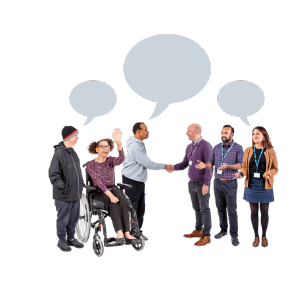
Our partners include local and specialist organisations such as:
- health and social care
- police
- councils
- charities
- experts
We are working together to stop violence against women and girls (VAWG) in Scotland.
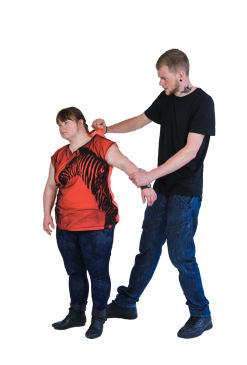
VAWG includes things such as:
- controlling their lives
- hitting them
- sexual attacks
- saying nasty things
- making them have sex with people for money

VAWG is wrong.
The Equally Safe plan will help us end VAWG in Scotland.
We call this work the Equally Safe Delivery Plan.
This report explains what we have done so far.
The plan has 14 tasks
1 We will make sure our work helps minority ethnic women.
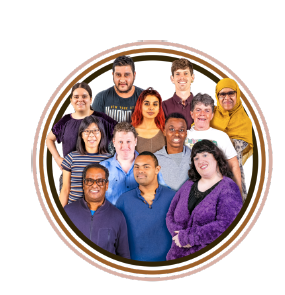
In Scotland minority ethnic groups include people who are:
- African
- Asian
- Gypsy/Traveller
- Polish
Some minority ethnic women experience honour-based abuse.
We have worked with our partners to choose a clear explanation for what honour-based abuse means.
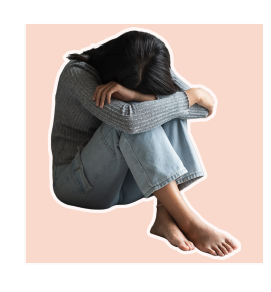
Honour-based abuse happens when:
- a partner
- family
- community
thinks that someone has broken their rules about honour.
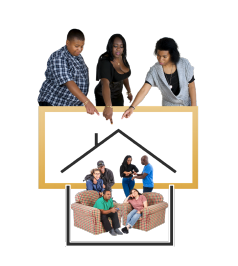
We have started work to help us understand abuse by family members.
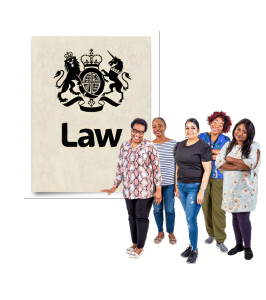
We are also putting the Female Genital Mutilation Act into practice.
Female genital mutilation is when a girl’s private body parts are deliberately cut or injured for non-medical reasons.
The Female Genital Mutilation Act is a law that will protect girls and women from this.
2 We will make sure that our work helps women and girls with learning disabilities.
A group created an accessibility toolkit.
This toolkit will help organisations make their services more accessible to women with learning disabilities who have experienced abuse.
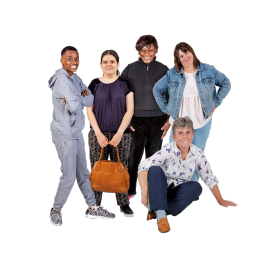
Women with learning disabilities helped make the toolkit.
3 We will ask organisations all over Scotland to work together to stop VAWG from happening before it starts.
A group of different organisations in Scotland has been set up to help stop VAWG.
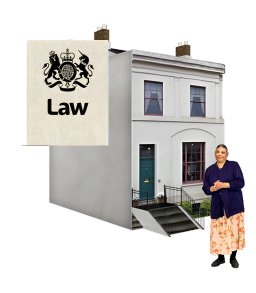
A new law will make sure landlords support tenants who are experiencing domestic abuse.
A tenant is a person who lives in a home that they pay rent for.
Domestic abuse is when a partner or ex-partner:
- tries to control you or your life
- makes you do things you do not want to do
- treats you badly
- is violent towards you

A national Fund called the Fund to Leave gave money to women to help them leave an abusive partner.
4 We will find out how to collect information about how much VAWG happens in Scotland.

We are working to improve how information about VAWG is collected.

A plan called the Equally Safe Measurement Framework is being made.
This will help us see how we are doing with our Equally Safe plan.
5 We will make sure more people in Scotland know about violence against women and girls.
A campaign has been made with young people to make sure more people know about VAWG.
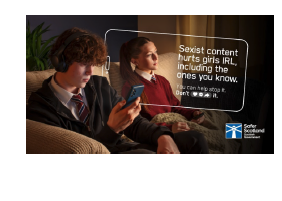
This campaign encourages men and boys to speak up when they see misogyny on the internet.
Misogyny means not liking women or treating women and girls unfairly because they are female.

Another campaign helps young people stay safe from sextortion.
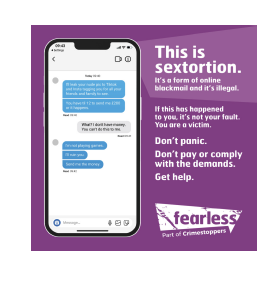
Sextortion is when someone threatens to share private or sexual images to scare someone into sending money or more images.
Images can be both pictures and videos.
These campaigns encourage people to get help if they are worried or feel unsafe.
6 We will work together with schools, colleges and universities to help people to understand what VAWG is
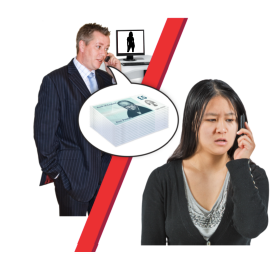
Education Scotland has updated their teaching materials about VAWG.

Schools are using training to stop VAWG from happening.
Over half of local council schools now use this training.
7 We will make money available to help organisations give good services to women and girls who have had violence happen to them.
We are working on a tool to help us understand what women and girls who have had violence happen to them need.
This will help different services to work together.

The Scottish Government has given nearly 46 million pounds to different organisations

This money is for work that:
- stops VAWG from happening before it starts
- supports women and girls who have had violence happen to them
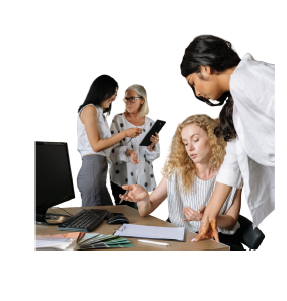
8 We will help workplaces to better understand VAWG and use their new skills to support their staff better.
We are working out which skills staff to support women and girls who have had violence happen to them.
More employers have joined Equally Safe at Work.
Equally Safe at Work is a programme that helps workplaces become fairer and safer for women.
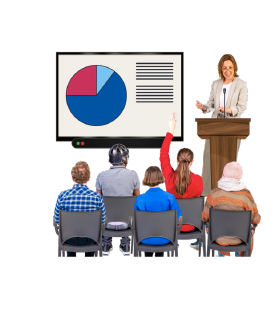
We have had events which looked at links between:
- violence
- drugs and alcohol
- trauma
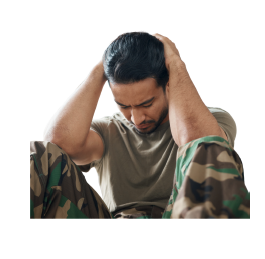
Trauma is something that can happen to people after something very upsetting has happened.
When the trauma events stop sometimes you still feel upset, even much later.
We are continuing to train people and organisations using the Safe and Together model.
The Safe and Together Model helps workers support families experiencing domestic abuse.
It helps them keep children safe and support the parent who is not being abusive.
9 We will get better at understanding how technology can make it easier for women and girls to experience violence or abuse.
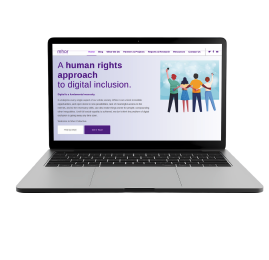
We have made a Digital Inclusion Network.
The network brings is made up of specialist VAWG services.
Technology-related abuse happens when someone uses technology to harm or upset someone.
Technology means things like:
- the internet
- smartphones
- apps
- cameras
10 We will help health care staff support women and girls who have experienced violence or abuse.
Online learning is helping healthcare staff know what to do when someone tells them they have been sexually assaulted.
More nurses are getting specialist training.

There is a new online support page for suicide prevention.
Suicide prevention is support to stop people from wanting to kill themselves.
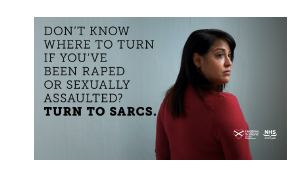
We are continuing to tell more people about the Sexual Assault Response Coordination Service (SARCS).
SARCS offers help and support to people who have been raped or sexually assaulted.
SARCS staff works for NHS Scotland.
11 We will improve how services work together to protect adults and children affected by violence.
The Bairns’ Hoose Pathfinder programme gives support to:
- those who have experienced violence or seen abuse
- children whose behaviour has caused harm
More Bairns’ Hoose services are being developed.
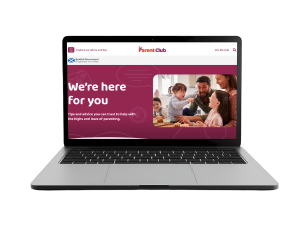
The Parent Club website now links young people to confidential advice services.
Confidential means your information will be kept private.
12 We will make sure justice services help women and children who have had violence happen to them.
We have been working with Police Scotland to support women affected by commercial sexual exploitation.
Commercial sexual exploitation is when people offer to pay you to do sexual things for them.
This is sometimes called selling sex.
Connections between police and other support services are getting better.
13 We will write a new action plan to put the suggestions from the Istanbul Convention into our work.
The Istanbul Convention is a human rights agreement that aims to stop VAWG.

A national event held in 2025 helped us to decide how Scotland will respond to the suggestions.
14 We will have a good leadership system so that we can make sure good work is happening.
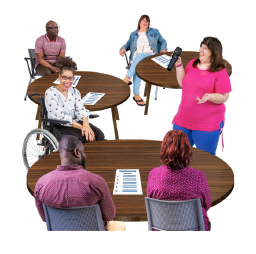
Our leadership system is now stronger.
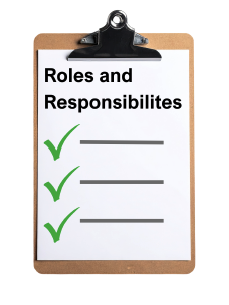
Roles and responsibilities are more clear.
Notes from leaderships meetings are available on the internet for anyone to read.
Contact
Email: nicole.mcclay@gov.scot